



















To see the world from a child’s eyes, imagine your neighborhood from three feet off the ground. A place designed only for adults can feel intimidating and boring, while one that’s built with a kid in mind may evoke wonder. Child-friendly architecture is about shaping shared spaces to be truly inclusive and engaging for children. From libraries to shopping centers to city squares, areas designed with kids in mind often feel more enjoyable, safer and more connected to people of all ages.
Key Trends Shaping Child-Friendly Design
Here are some of the most innovative child-friendly architecture trends architects and designers are using to make the world more fun for its youngest residents.
1. Designing from a Child’s Perspective
This foundational principle involves intentionally designing for a lower line of sight and a different way of experiencing the world. It’s about asking, “What does a child see, hear and feel in this space?” Consider these examples:
- In a library, the windows might be set low to the ground, allowing toddlers to gaze outside.
- In a doctor’s office, the reception desk may have a lowered, welcoming section for talking with children.
- In a museum, there may be small nooks or caves built into a wall that feel like secret hideouts to a child.
A child-friendly city considers children’s best interests and respects their views in all public matters, including architecture. Experts shift from simple accommodation to genuine inclusion, creating a powerful sense of belonging for children and their families. For many urban planners and advocates, this design approach is not a nice-to-have feature but a fundamental right for children to feel seen and respected. It’s the cornerstone of many global initiatives.
2. Creating Sensory-Rich Environments
For a child, how a space feels, sounds and even smells is just as important as how it looks, so move beyond purely visual design. Consider these sense-focused examples for child-friendly architecture:
- Touch: Use varied materials on walls and floors, like panels of smooth wood next to rough-cut stone or soft, cushioned surfaces in a quiet corner.
- Sound: Create positive soundscapes using interactive elements like wind chimes or passive acoustic materials that dampen overwhelming echoes.
- Sight: Use projectors to cast patterns on the floor or set up colored glass that bathes a space in different hues throughout the day.
Sensory-rich considerations also support neurodiversity, as a well-designed sensory environment can be calming and grounding for an anxious child. It could also provide gentle stimulation for kids who need more engagement, preventing the boredom or overwhelming chaos common in generic spaces.
3. Integrating Play into Everyday Spaces
The concept of “play” is shifting from a scheduled activity in a designated place, like a park or playground, to a quality that can be woven into the fabric of everyday life. Here are some examples:
- Interactive “talking” trash cans in theme parks
- A public plaza with water jets that kids can run through on a hot day
- A bus stop with a swing instead of a bench
- A grand staircase in a public building that has a slide running alongside it
Many smart businesses and developers recognize that creating positive, family-friendly experiences is no longer a niche market. It’s a powerful driver of foot traffic and customer loyalty.
For example, retail spaces can have designated play areas for kids of all ages. The toddler zone features age-appropriate equipment that lets them have fun at floor level, such as small ramps and low crawl tunnels. Meanwhile, the area for school-age kids may have more engaging and complex play setups, like large slides, climbing pieces, overhead rings and swings.
Parents can relax and accomplish their tasks without stress, and their children have a fun and safe outlet for their energy. Meanwhile, the business thrives because families want to be there.
4. Channeling Nature in Design
Biophilic design connects people and nature within built environments, a connection that’s especially critical for children. It typically involves:
- Using natural materials, like wood, bamboo and stone, extensively
- Maximizing natural sunlight to create bright, airy spaces that change throughout the day
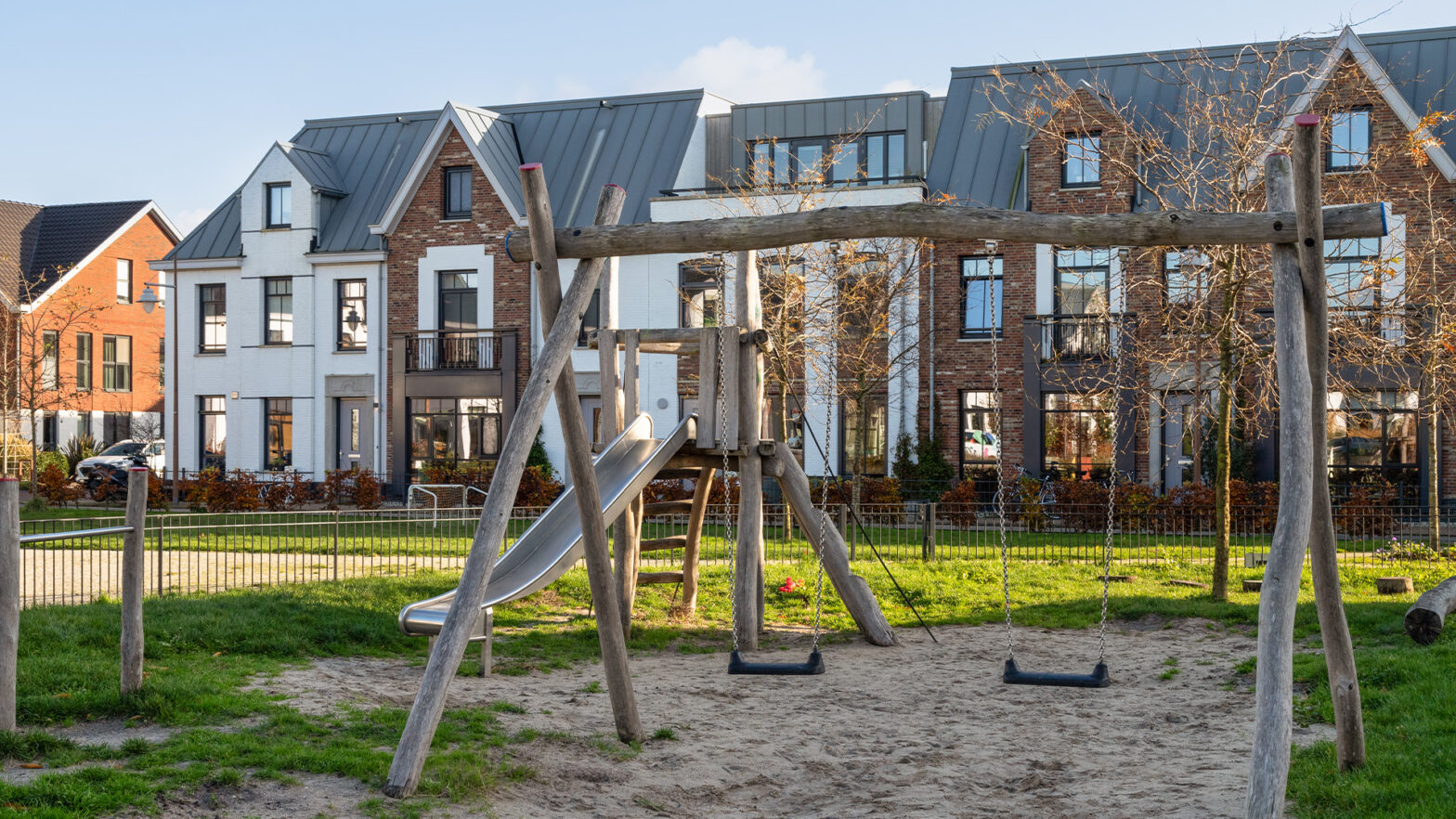
- Creating natural playscapes or playgrounds that use hills, boulders, logs and sand instead of prefabricated plastic equipment
The positive impact of nature on a child’s development also drives the child-friendly architecture design movement. Research consistently shows that when children play and learn in natural settings, they develop better motor skills, have lower stress levels and are healthier overall.
By fostering a connection to the natural world from a young age, biophilic designs help cultivate a lifelong appreciation for nature. This nurtures the next generation of environmental stewards.
5. Focusing on Safety and Autonomy
A key challenge is designing a space that’s both thrillingly adventurous and genuinely safe for kids. Risk-benefit assessments can help you cover your bases and remove hazards.
Good risk is great for child development. The feeling of height on a climbing wall, the challenge of balancing on a log or the thrill of a fast slide are visible challenges that a child can assess and choose to engage with, allowing them to build their confidence and decision-making skills.
Bad hazards cause injury. They can be anything from a sharp, exposed bolt under a slide to a fence with gaps where a head or limb could get stuck. It could also be a hard, unforgiving surface under a tall climber. These are dangers that a child cannot see or predict.
Ultimately, urban planners must develop environments that empower children to test their boundaries and learn from their stumbles. This builds physical and emotional resilience that will serve them for their entire lives.
The Future Is Child-Friendly
There’s a common saying in modern urban planning: “If you design a city that works for an 8-year-old, you’ve designed a city that works for everyone.” Child-friendly architecture supports this framework. This accessibility is threaded in a larger tapestry that creates more equitable, vibrant and connected communities for people of all ages and abilities. The next time you walk through a park, a new building or even your own street, consider it from a lower perspective. Find out what’s working, what’s not and what’s possible.