

















Renovating a period property comes with unique challenges. Balancing modern functionality with original character requires careful material selection, particularly for external features that define a home’s architectural identity. Get it wrong and the result looks incongruous. Get it right and the property’s value and kerb appeal increase significantly.
Why Cast Stone Makes Sense
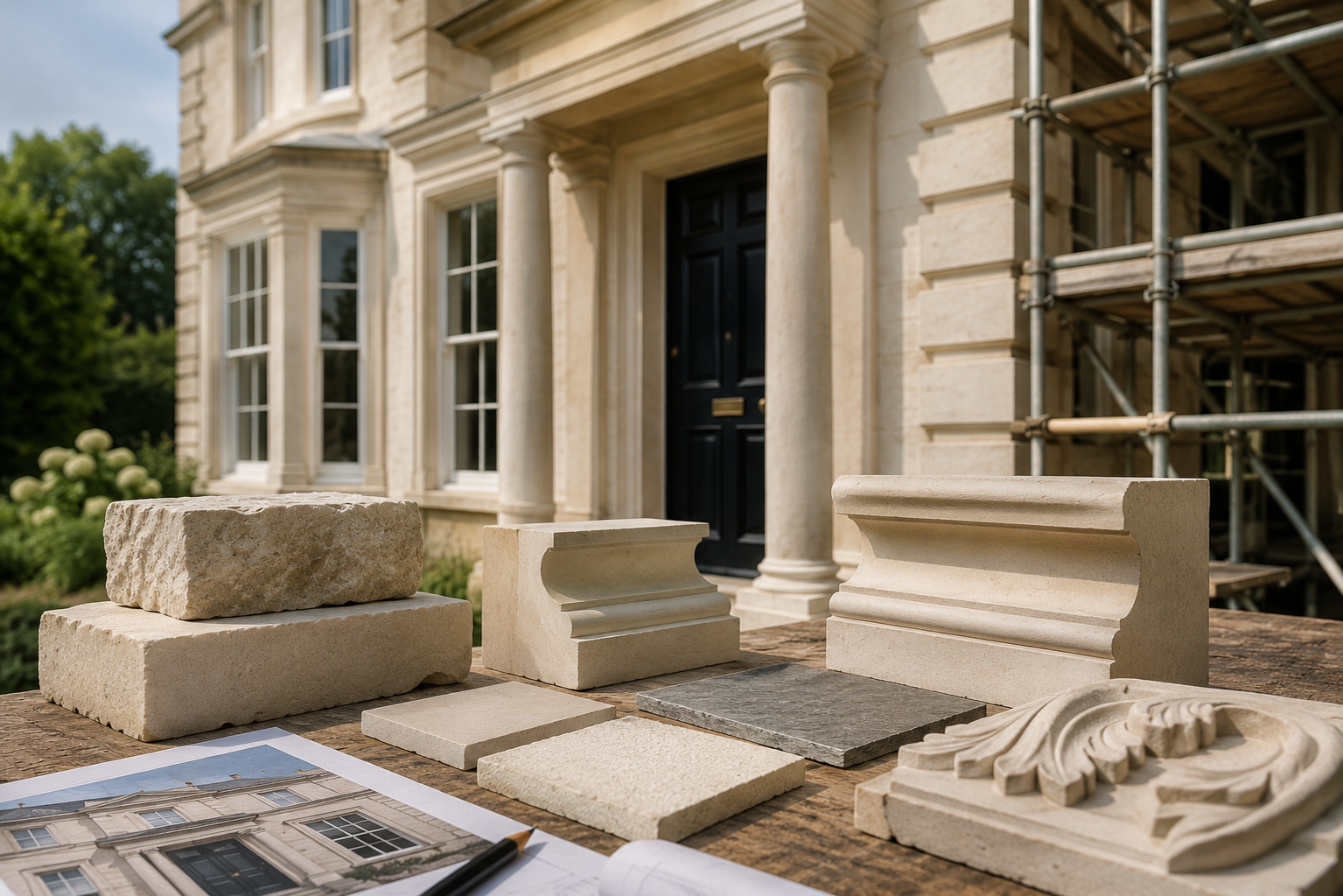
Cast stone has emerged as a practical solution for homeowners restoring or enhancing period properties. It offers the aesthetic qualities of natural stone with greater consistency and lower costs, making it accessible for projects of all sizes. The material can be manufactured to match specific colour tones and profiles, allowing seamless integration with existing architectural features.
For those unfamiliar with cast stone, it’s essentially a refined concrete product designed to replicate the appearance of natural stone. Modern manufacturing techniques have improved quality significantly, with leading suppliers producing products that weather naturally and develop character over time, much like their natural counterparts.
Demand Across Surrey and the South East
In the South East, demand is particularly strong. Homeowners looking for cast stone suppliers Surrey often require products for private estates and high-end residential projects. The county’s mix of architectural styles, from traditional manor houses to contemporary new builds, means suppliers need to offer range and flexibility. The ability to colour-match to local brickwork and existing stonework is essential, with many suppliers offering samples before production begins. This allows homeowners to see exactly how the finished product will look against their property before committing.
Hampshire’s Heritage Requirements
Hampshire presents similar requirements, with Georgian and Regency architecture influencing product choices. The county’s country houses, village properties, and coastal homes each present different aesthetic considerations. Searching for cast stone Hampshire suppliers typically leads to specialists who understand the region’s traditional styles, from porticos and window surrounds to coping stones and balustrades. Rural delivery is also a factor, with suppliers needing to reach properties in locations that larger logistics companies sometimes struggle to access.
Key Considerations for Period Renovations
When planning a period renovation, several factors deserve attention:
Match existing materials carefully
Request colour samples and check them against your property in different lighting conditions. Morning light and evening light can make the same stone look quite different, so view samples at various times of day before approving.
Understand planning requirements early
Listed buildings and conservation areas may have specific restrictions on materials and finishes. Consulting your local planning authority before ordering can prevent costly mistakes and delays.
Plan for realistic lead times
Bespoke cast stone typically requires 3-4 weeks for production, though complex orders may take longer. Factor this into your project timeline and communicate with your builder about delivery scheduling.
Work with experienced specialists
Suppliers with heritage experience can advise on appropriate profiles and detailing for your property’s era. They’ll know the difference between Georgian and Victorian proportions and can guide you toward historically accurate choices.
Consider the full scope
While you might initially need just a window surround, it’s worth thinking about whether other features like coping stones, pier caps, or entrance details might benefit from the same treatment. Ordering together ensures colour consistency and may offer economies of scale.
Quality That Lasts
The goal is authenticity without compromise. Modern manufacturing techniques mean cast stone can replicate intricate period detailing while offering durability suited to the British climate. Unlike some natural stones that can deteriorate in freeze-thaw conditions, quality cast stone is engineered to withstand British weather for decades.
For homeowners investing in their property’s long-term value, quality materials make the difference between a renovation that looks right and one that truly respects the building’s original character. Taking time to source the right supplier and specify carefully pays dividends in the finished result.