





















New housing developments are appearing across the country, and many look impressive on paper. But what actually makes one a good place to live? Beyond the floor plans and show homes, a few wider factors are worth weighing up before you commit.
More Than Just the Homes Themselves
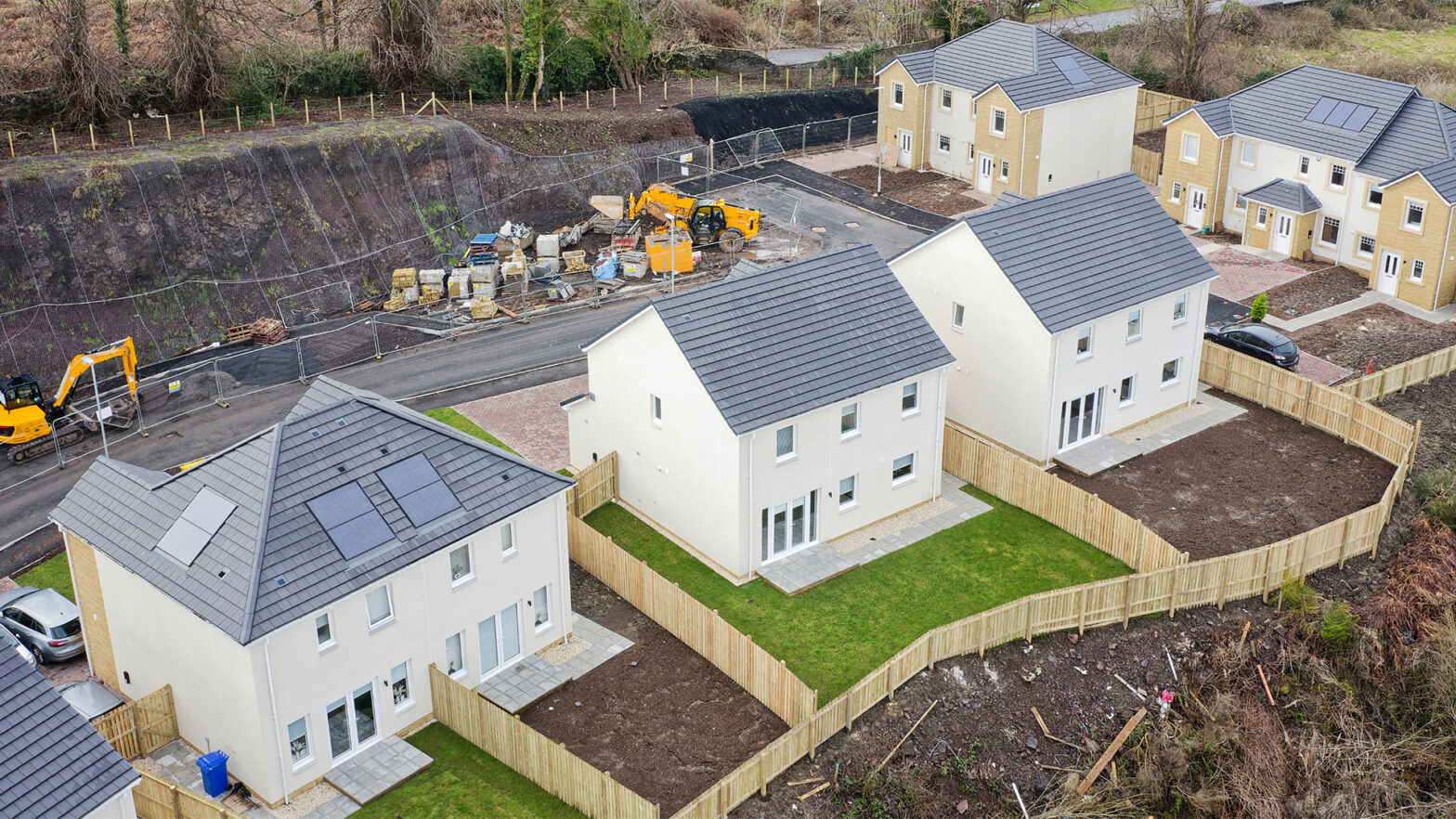
When looking for somewhere to live, it is easy to focus on the property and overlook the wider development around it. Well-planned streets and attractive surroundings can make a neighbourhood feel welcoming while giving residents space to enjoy being outside. These details can have a real impact on how people feel about their home once the excitement of moving in has passed.
The government’s guide on how to buy a home encourages buyers to consider the feel of an area, such as whether it has quiet roads or social spaces, as well as nearby amenities. On a new development, it is also worth asking whether there are estate charges for maintaining shared areas, so you know how the surroundings will be looked after.
Green Spaces and Places to Spend Time Outdoors
Access to outdoor space can make a residential development feel much more appealing, particularly for families and people who enjoy getting outside. Green spaces and walking routes provide somewhere to stretch your legs while giving children room to play away from busy roads.
Even a small communal green area can help create a more relaxed atmosphere and encourage residents to spend time in their local surroundings.
Everyday Convenience Makes a Difference
A development can look impressive at first glance, but its location also needs to work for the practicalities of daily life. People considering new build homes may want to look at how easily they can reach local shops and schools, and whether public transport makes commuting straightforward.
Having these essentials within a reasonable distance can save time during busy weeks and make the area a more convenient place to settle long term.
A Neighbourhood That Grows With You
An attractive residential development should be somewhere people can see themselves living as their circumstances change. A couple might eventually need more room for a growing family, while someone buying their first home may later want space to work from home or host visiting relatives.
It can also help to look at what is planned for the wider area. Plans for new schools, shops and transport links are often a sign that a neighbourhood is on the up. Choosing a development with practical surroundings and access to useful amenities can help make the move feel like a long-term decision rather than a short-term solution.