







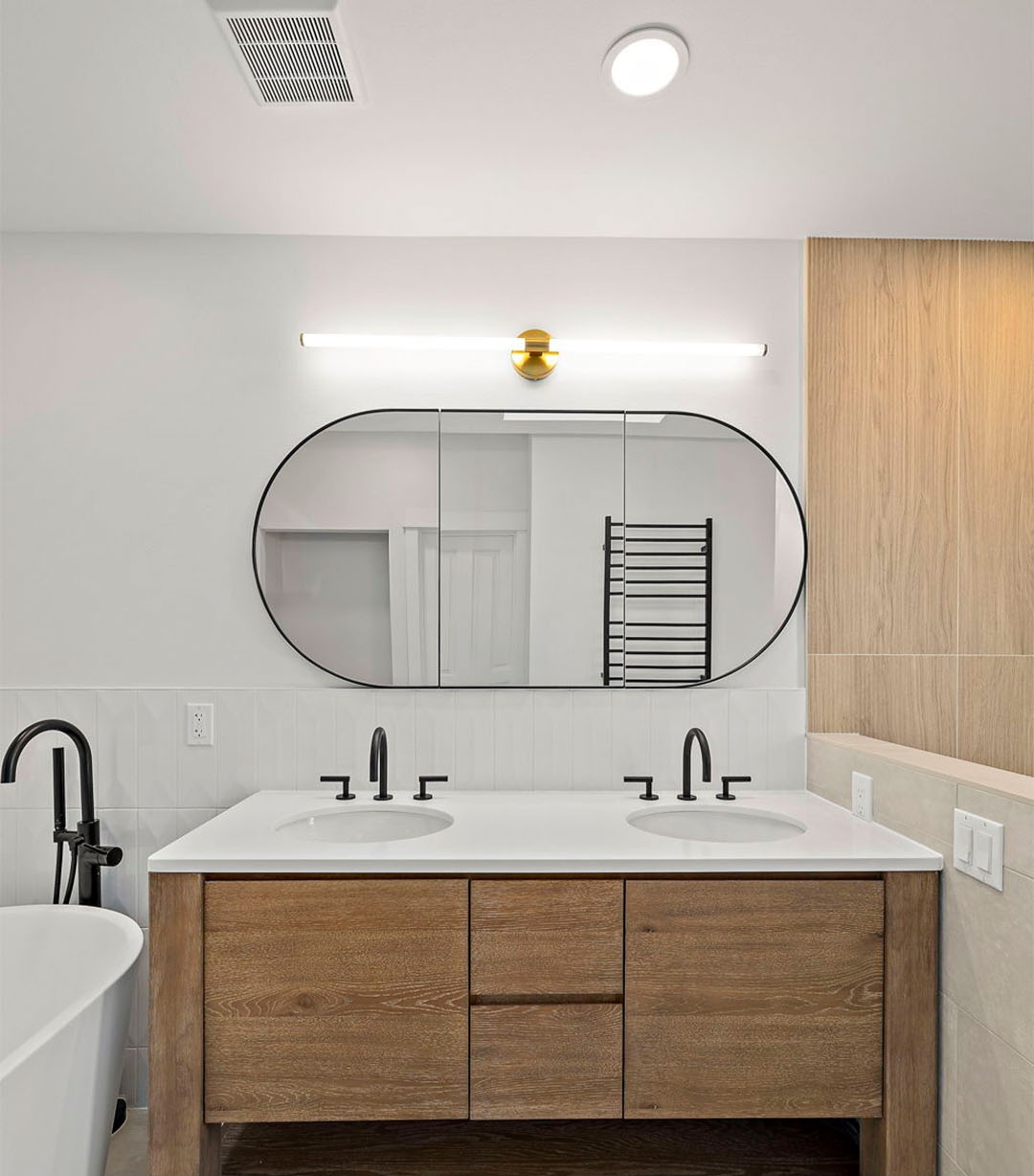











Homeowners are asking more of the primary bathroom than they once did. What used to be a simple refresh, a coat of paint, a new vanity top, has increasingly turned into a full rethink of layout, materials, and function. Contractors working in this space report that clients now arrive with a clearer sense of how they want the room to work day to day, not just how they want it to look.
For homeowners planning a master bathroom remodel, the appeal often extends beyond aesthetics. Better storage, easier circulation, improved lighting, and a more comfortable shower can change how the room functions every day. A bathroom renovation may also improve resale appeal, although the financial return varies considerably by project scope, finish level, and local market.
From Simple Updates to Full Reconfigurations
Many primary bathroom projects now go well beyond new paint, hardware, or a vanity top. Homeowners are asking contractors to rework the layout entirely, often removing a builder-grade tub that rarely gets used in favor of a larger walk-in shower, or repositioning fixtures so two people can get ready at once without crowding each other.
This kind of change requires more coordination than a surface refresh. Plumbing lines may need to move, electrical circuits often have to be added for heated floors or better lighting, and the room has to be replanned around how it will actually be used rather than around a previous owner’s habits.
Materials Chosen for Upkeep as Much as Appearance
For many homeowners, maintenance now carries nearly as much weight as appearance. Porcelain tile, quartz, and solid-surface materials can be attractive options because they offer a polished look without some of the upkeep associated with more porous materials. Natural stone still has a strong following for its character, but it typically asks for more regular sealing and careful cleaning, which is a tradeoff worth weighing honestly before committing to it.
Fixture quality matters beyond the finish visible from the room. Serviceable valves, durable cartridges, readily available replacement parts, and established warranties can make a bigger difference over time than choosing a faucet or shower system based on appearance alone.
Waterproofing and Ventilation Deserve Early Attention
Some of the most consequential decisions in a bathroom remodel happen behind the wall rather than on top of it. Waterproof membranes installed behind tile in wet areas, combined with vapor barriers in surrounding walls, are what keep moisture from working its way into the framing over time. Skipping or underbuilding this layer is a common reason bathrooms that look finished on day one develop problems within a few years.
Ventilation plays a similar role. An exhaust fan sized correctly for the room, and vented outdoors rather than into the attic, clears the humidity that would otherwise settle into paint, grout, and cabinetry. These details rarely show up in a walkthrough, but they tend to determine how well the finishes hold up over the years that follow.
Accessibility Features Increasingly Part of the Plan
Universal design has become a regular part of bathroom planning conversations, even among homeowners with no immediate accessibility needs. Curbless shower entries, grab bar blocking installed behind the wall before tile goes up, and wider doorways are increasingly being incorporated into bathroom plans.
Much of this comes down to long-term thinking. Adding blocking during construction costs very little compared with retrofitting a finished wall later, and a curbless shower entry works just as well for a young family as it does for an aging parent. Discussing these details before framing and tile work begin makes them considerably easier to incorporate.
What to Ask Before Signing a Contract
With more money and more structural work involved in today’s projects, the contractor selection process carries real weight. When comparing home remodeling contractors, homeowners should look beyond the bottom-line bid and ask about licensing, insurance, permits, project supervision, and how changes to the original scope are handled.
A detailed written scope also matters more than it might seem. Allowances for tile, fixtures, and countertops should be spelled out clearly, since vague language in this section is one of the most common sources of disputes once a project is underway. References from recently completed jobs of a similar scale tend to say more about a contractor than a polished portfolio does.
A Room Judged by More Than Its Finishes
What does seem clear is that homeowners are asking more of the primary bathroom than they once did. Comfort, easier maintenance, accessibility, storage, and long-term usability now sit alongside appearance when renovation decisions are made. A project that addresses those priorities is more likely to remain useful long after today’s finishes and design trends have changed.