


















Arizona homeowners and builders face a roofing challenge that most of the country never encounters: a climate that attacks roofing systems from two completely different directions at once.
From May through September, Phoenix-area rooftops absorb radiant heat that can push surface temperatures well past 150 degrees Fahrenheit on a clear afternoon. By late July, the monsoon arrives, bringing sudden wind gusts, blowing dust, and rainfall rates that can overwhelm drainage in minutes. These two forces, intense UV exposure and high-velocity storm loads, do not cancel each other out. They compound.
For builders, general contractors, and homeowners approaching a roofing decision in the Valley of the Sun, understanding how this dual exposure shapes material performance is the difference between a roof that lasts twenty-plus years and one that begins failing at the underlayment level long before the surface shows visible damage.
What the Heat Actually Does to Roofing Materials
The thermal cycling problem is the less obvious of the two threats. In Arizona, a rooftop surface can gain 60 to 70 degrees between overnight lows and mid-afternoon highs. Every material in the roofing assembly, including decking, underlayment, fasteners, and the field material, expands and contracts through that cycle daily.
Asphalt shingles that perform reliably in northern climates can become brittle and prone to cracking within a few seasons under this level of UV intensity and thermal stress. Three-tab shingles in particular are rarely specified by experienced Arizona builders on new construction, not because they are prohibited, but because the performance-to-lifespan ratio simply does not hold up in the desert.
Concrete and clay tile roofing dominate the Phoenix metro for reasons that go beyond aesthetics. Tile systems manage thermal mass differently: the air space between the tile and the underlayment allows heat to dissipate rather than transfer directly into the structure. Properly installed with a high-temperature underlayment rated for steep-slope desert conditions, a tile system is among the most durable assemblies available in this climate.
On low-slope and flat roofs common across commercial construction and some residential builds, TPO and PVC single-ply membranes have largely replaced modified bitumen in contemporary specifications because of their UV reflectivity and weld-seam integrity under sustained heat exposure.
What Monsoon Season Reveals About Installation Quality
The monsoon season functions as an annual quality audit. Strong convective storms in Arizona bring sustained wind gusts and sudden pressure changes that impose significant uplift loads on roof assemblies, combined with heavy, short-duration rainfall that has no patience for drainage systems that were not designed with peak flow rates in mind.
Flashing failures are the most common monsoon-related finding. Kickout flashing at roof-to-wall intersections, counter-flashing at parapet walls, and valley flashing on tile roofs are areas where poor installation practices remain hidden through the dry season and then show up immediately when monsoon rain comes in sideways.
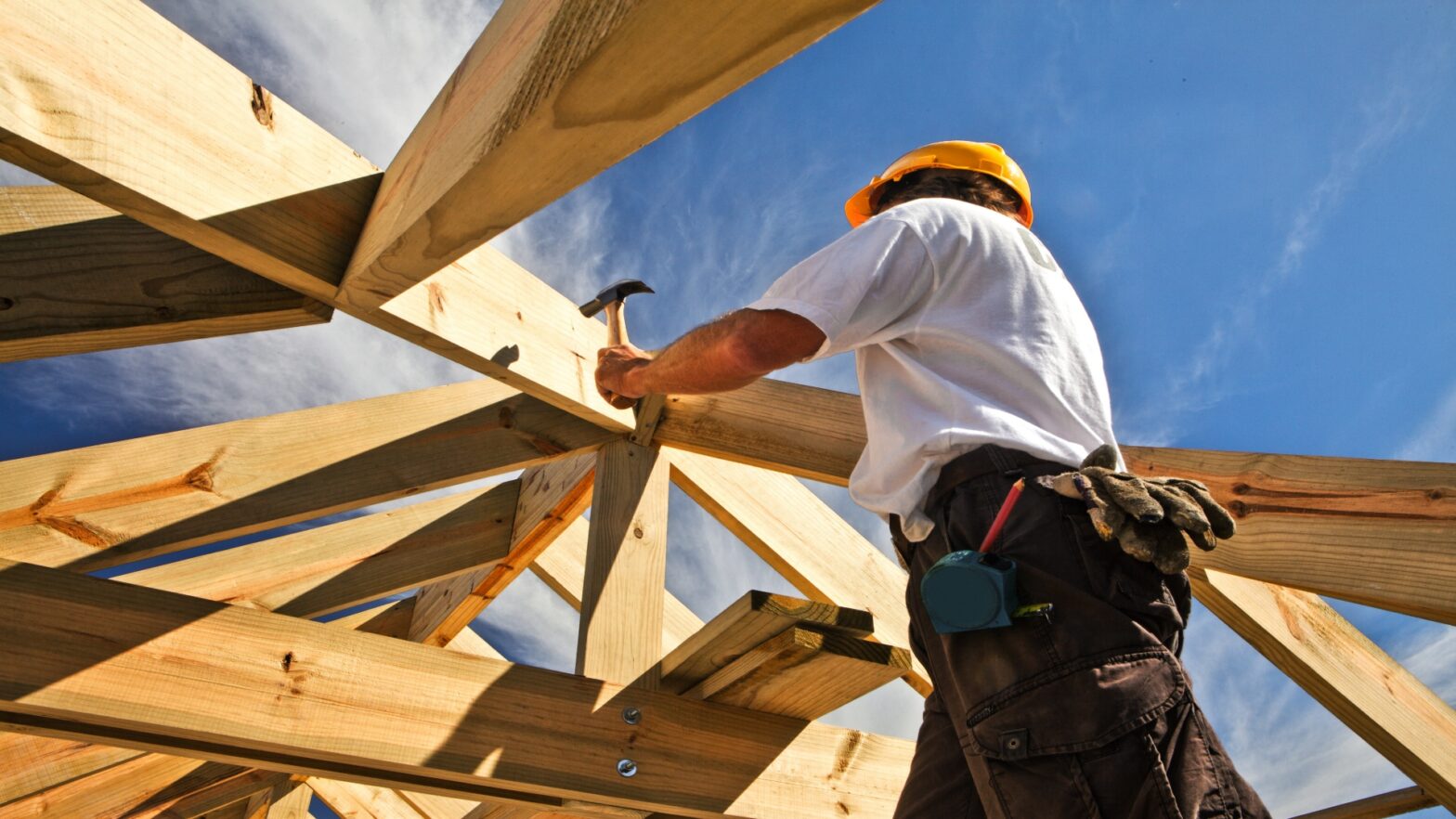
Another common finding is fastener pull-through in the field decking. If the roof deck was installed with insufficient fastening patterns for the wind-uplift zone the structure occupies, a strong storm can begin to lift the field material at the edges. This is not a surface repair scenario.
Where the DIY Line Sits in Arizona
In mild climates, a homeowner can reasonably address minor granule loss, reseal a lifted shingle tab, or clear debris from a valley. In Arizona, the same surface cue almost always indicates an underlying condition.
Brittle cracking in tile or field material often signals underlayment degradation. Visible granule loss on shingles in Arizona is frequently accompanied by dried-out or delaminated underlayment that has lost its waterproofing function even though the damage is not visible from the surface. And after a monsoon event, any sign of movement at a ridge cap or hip detail warrants a professional evaluation before the next storm cycle.
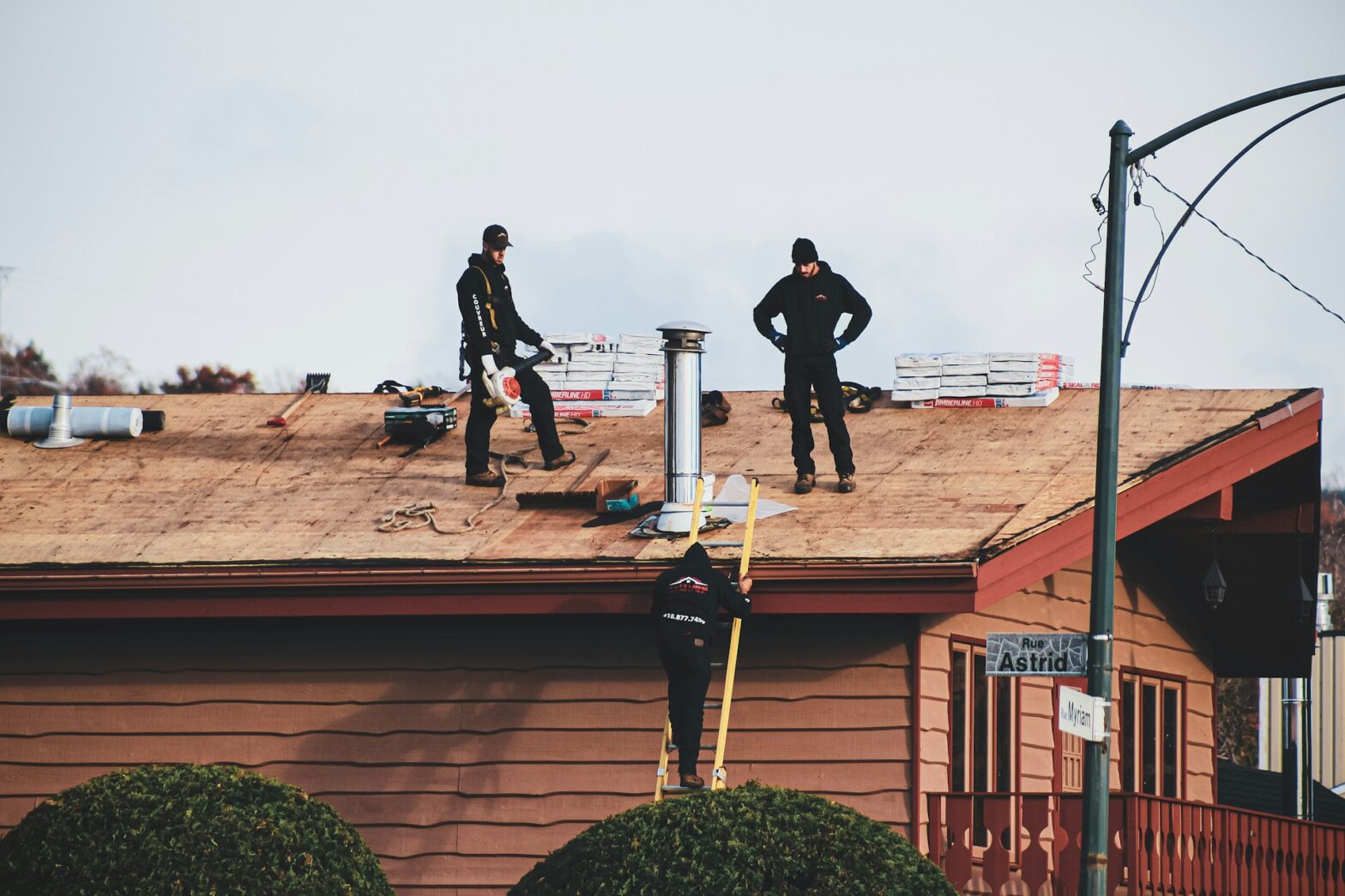
The practical threshold for Arizona homeowners: anything that involves removing or replacing field material, addressing decking, or touching flashing is contractor territory. The wind-uplift and waterproofing requirements in the Phoenix metro are specific enough that improper reassembly of a roofing assembly, even a small section, can compromise the performance of the surrounding system.
For East Valley homeowners and builders, the right starting point is a licensed roofing contractor mesa who brings full-system replacement experience to the table rather than a patch-first approach. When evaluating which roofing contractor mesa az property owners trust for complex residential and commercial scopes, the qualifying questions matter: Does the contractor manage the full assembly, or only the surface? Can they coordinate with HVAC penetrations, solar attachments, and attic insulation as part of one integrated project plan?
When a whole-system replacement is the right call, handling roofing in isolation from adjacent trades rarely produces a durable result. In Arizona, the cost of getting that integration wrong surfaces faster than it would anywhere else.