



















Proper insulation keeps your home comfortable year-round and lowers your energy bills. When you hire professionals to install insulation, you deserve quality work that meets building codes and delivers real results. Many homeowners wonder what happens during a professional installation and how to know if they’re getting their money’s worth.
This guide walks you through the complete insulation installation process. You’ll learn what preparation looks like, what materials professionals use, and how to verify quality work. Understanding these details helps you make informed decisions and ensures your home gets the protection it needs.
Key Takeaways
- Professional installers assess your home’s specific needs before starting any work
- Proper preparation includes sealing air leaks and protecting your living spaces
- Quality installations meet local building codes and include vapor barriers when needed
- Expect the project to take one to three days depending on your home’s size
- Reputable contractors provide warranties and documentation of R-values achieved
- Your energy bills should decrease by 15 to 30 percent after proper installation
The Initial Assessment and Planning Phase
Before any insulation goes into your walls or attic, a professional team conducts a thorough inspection. This step determines the right materials and methods for your specific situation.
Home Energy Evaluation
Professional installers check your current insulation levels and identify problem areas. They measure the R-value, which indicates how well your insulation resists heat flow. They also look for moisture issues, air leaks, and ventilation concerns that could affect performance.
The assessment includes checking your attic, walls, crawl spaces, and basement. Some contractors use thermal imaging cameras to spot hidden gaps where heat escapes. This technology shows exactly where your home loses energy, even behind walls you cannot see.
Based on the inspection, installers recommend specific R-values for each area. Climate zones determine the minimum requirements, and local building codes set standards that all work must meet. In colder regions, you need higher R-values than in warmer areas.
Project Timeline and Material Selection
Your contractor provides a detailed plan that outlines the work schedule and materials. Typical projects take one to three days for an average home. Larger properties or extensive work may require more time.
Professional installers explain which insulation types work best for your home. Options include fiberglass batts, blown-in cellulose, spray foam, or rigid foam boards. Each material has specific advantages depending on where it goes and what performance you need.
The Installation Process and What Happens
Quality installation requires attention to detail and proper techniques. Professionals follow specific steps to ensure your insulation performs as expected for decades.
Preparation and Protection
Before installation starts, crews protect your home. They lay down drop cloths, seal off work areas, and cover furniture if necessary. For attic work, they create safe pathways and ensure proper lighting.
Air sealing happens before new insulation goes in. Professionals fill gaps around pipes, wires, and ducts with expanding foam or caulk. They seal recessed lights with proper enclosures and weatherstrip attic hatches. These steps prevent air from bypassing the insulation and wasting energy.
Ventilation also matters. Installers maintain proper airflow in attics by installing baffles between rafters. These channels let air move from soffit vents to ridge vents while keeping insulation away from the roof deck. Without ventilation, moisture builds up and damages your home.
Installation Techniques and Quality Standards
Professional crews install insulation at the correct depth and density. For blown-in materials, they use depth markers to ensure even coverage throughout the space. They fill corners, edges, and hard-to-reach areas that often get missed in amateur installations.
Proper installation means no gaps, compression, or voids. Compressed insulation loses R-value because air cannot circulate properly within the material. Professionals know how to handle each material to maintain its full performance rating.
Vapor barriers go on the warm side of insulation in cold climates. These barriers prevent moisture from condensing inside wall cavities where it can cause mold and structural damage. Your installer determines if your home needs these barriers based on local climate and building codes.
Safety equipment protects both workers and your property. Crews wear respirators, protective clothing, and safety glasses. They also ensure work areas stay clean and remove all waste when finished.
After Installation and Long-Term Expectations
The work doesn’t end when installers leave. You should see immediate improvements and receive important documentation.
Documentation and Verification
Reputable contractors provide detailed documentation. This includes the R-values achieved in each area, the amount of material installed, and proof that work meets building codes. Keep these records for future reference and home resale value.
Many professional installations come with warranties. Material warranties typically last 20 to 30 years or more. Labor warranties usually cover 1 to 5 years and protect you if installation problems arise. Read the warranty terms carefully and keep your contractor’s contact information.
Some areas require building inspections for insulation work. Your contractor handles scheduling these inspections and ensures all work passes. This verification protects you and confirms the installation meets legal standards.
Performance and Energy Savings
You should notice temperature improvements within days. Rooms feel more consistent, and your heating and cooling systems run less often. Cold spots disappear, and drafts reduce significantly.
Energy bills typically drop 15 to 30 percent after professional insulation installation. The exact savings depend on your previous insulation levels and the extent of improvement. Track your utility bills for several months to measure the difference.
Properly installed insulation lasts 20 to 100 years, depending on the material. Fiberglass and cellulose maintain performance for decades when protected from moisture. Spray foam can last the lifetime of your home without settling or degrading.
Frequently Asked Questions
How long does professional insulation installation take?
Most residential installations take one to three days. Attic insulation usually takes one day to complete for average-sized homes. Wall insulation takes longer because it requires more preparation. Large properties or whole-house projects may need up to a week.
Will insulation installation make a mess in my home?
Professional contractors minimise disruption and clean thoroughly. They contain dust and debris in work areas using plastic sheeting and proper ventilation. Crews vacuum and remove all waste materials before they leave. Your living spaces stay clean throughout the project.
What R-value do I need for my home?
R-value requirements depend on your climate zone and which part of your home needs insulation. Attics typically need R-38 to R-60. Walls require R-13 to R-21. Floors above unheated spaces need an R-25 to R-30 rating. Your contractor recommends specific values based on local building codes.
Can I stay home during insulation installation?
Yes, most homeowners stay during installation. Work typically happens in attics, crawl spaces, or between walls. These areas separate from living spaces. If you have respiratory sensitivities, please leave during blown-in installations until the dust settles.
How do I verify my insulation was installed correctly?
Check that depth markers in attics show consistent coverage. Ask for documentation of R-values achieved and total square footage covered. Verify that vapor barriers face the right direction if applicable. Reputable contractors welcome questions and provide detailed reports showing all work completed.
Schedule Your Professional Insulation Installation
Professional insulation installation delivers comfort, energy savings, and long-term value for your home. When you work with experienced contractors, you get quality materials, proper techniques, and verified results that meet all building codes.
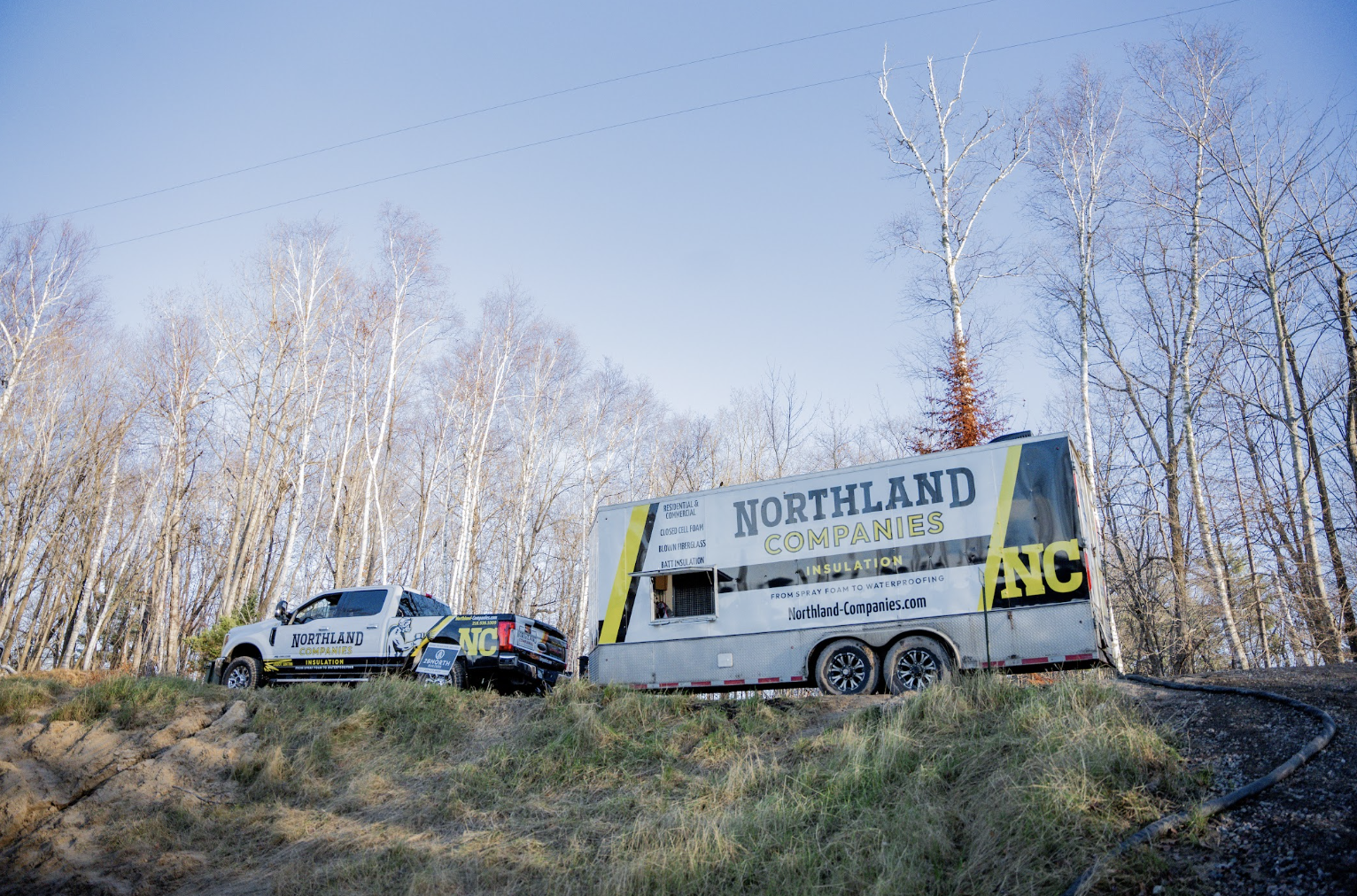
Northland Companies brings decades of construction expertise to every insulation project. Our team understands what quality installation requires and ensures your home gets the protection it deserves. We handle everything from initial assessment to final verification, so you can trust the results.
Contact Northland Companies today to schedule your insulation assessment. We’ll evaluate your home’s needs and provide a detailed plan to improve comfort and reduce energy costs. Let our professionals deliver the quality installation you should expect.