







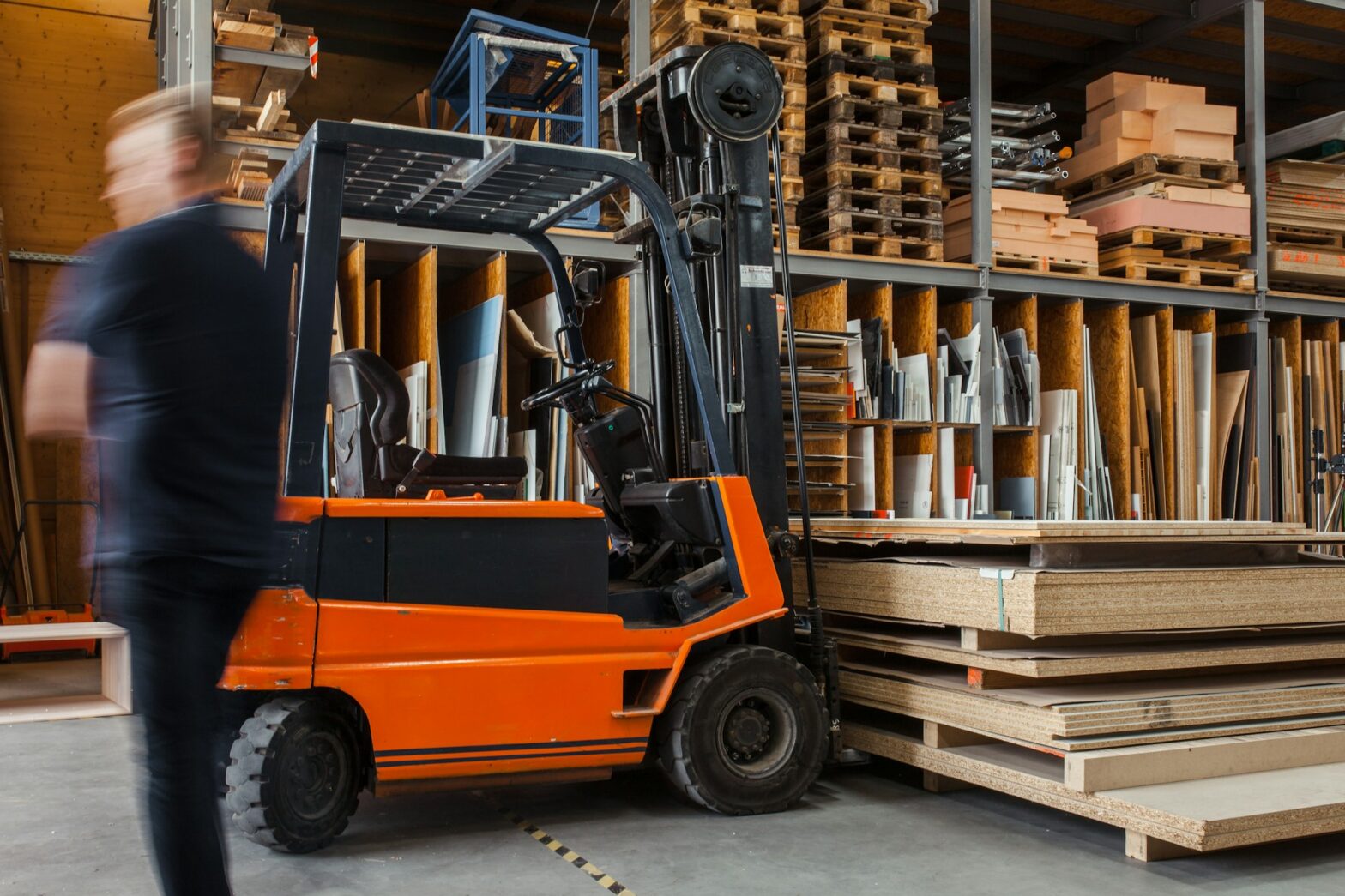











Forklift tires endure constant stress from heavy loads, abrasive surfaces and repetitive motion across warehouse floors. When tire maintenance falls to the bottom of the priority list, the consequences extend beyond replacement costs. Worn or damaged tires contribute to equipment downtime, reduced operator productivity and potential safety hazards.
How Forklift Tires Impact Your Bottom Line
Tires affect operating costs beyond replacement expenses. Prematurely worn or damaged forklift tires mean more frequent replacements, adding direct maintenance costs to operating budgets.
Poor tire condition contributes to downtime. A damaged tire can unexpectedly take a forklift out of service, disrupting workflows and delaying orders or deliveries.
Tire condition influences productivity. Worn tires reduce traction, stability and maneuverability, making operators work less efficiently. Proper tire selection and maintenance also serve as safety investments that protect personnel and equipment.
Maintenance Tips to Extend Tire Life
Implementing consistent inspection routines, monitoring key performance indicators and reinforcing safe operating practices contribute to better tire performance and reduced replacement frequency.
Commit to Daily Visual Inspections
OSHA guidelines require daily pre-operational inspections that check tire condition, including chunking, cracking, cuts and gouges. Vehicles with these issues should be removed from service until repaired.
For solid cushion tires, pay attention to excessive tread wear and signs of separation or deterioration. Inspect wheels, rims and surrounding components for damage that could contribute to premature tire wear. Document recurring problems so maintenance teams can identify patterns and determine whether a tire, forklift, floor surface or operating practice is responsible.
Monitor Tire Pressure and Load Capacity
For pneumatic tires, check inflation regularly and keep pressure within the manufacturer’s recommended range. Incorrect pressure accelerates wear and affects handling.
Match the tire’s load rating to the forklift and the loads it must carry. Avoid consistently operating above the forklift’s rated capacity, since excessive loads place additional stress on tires and other components.
Check pressure when tires are cold using an appropriate gauge. Make sure replacement tires are correctly sized and specified for the forklift and application.
Prioritise Safe Operator Habits
Train operators to avoid sudden acceleration, hard braking, sharp turns and unnecessary tire spinning. Smooth, controlled movements extend tire life while improving load stability.
Keep operators alert to potholes, debris, dock plates, broken flooring and other hazards that can damage tires. A single impact with a sharp object can compromise tire integrity.
Reinforce the importance of reporting unusual vibrations, pulling, steering changes or tire damage immediately. Early detection prevents minor issues from escalating into costly failures.
Top Suppliers for Affordable Replacement Tires
Businesses searching for affordable forklift tires have several options. Working with suppliers that offer quality products, responsive service and regional availability minimises downtime and controls costs.
1. Medley Equipment
For businesses near Joplin, Missouri, Medley Equipment offers tire services and fast response times. The company provides forklift and industrial tire sales, replacement, tire-press services and mobile tire service. Its tire inventory includes brands such as Pro Tire, Thombert, Trelleborg, Millennium and Camso-Solideal.
Key features:
- Forklift and lift-truck tire replacement services: Medley Equipment provides tire replacement for a wide range of forklift models and applications throughout its service area.
- Multiple tire types available: The company stocks press-ons, solid tires, pneumatic tires, shaped solids and polyurethane options.
- Planned maintenance programs: Tire inspections are integrated into broader fleet maintenance services.
2. Select Equipment
Select Equipment serves Southern California with forklift sales, rentals, service, parts and tire solutions. Its tire offering includes cushion, pneumatic, solid pneumatic, non-marking, traction and polyurethane options. The mobile tire press can replace tires on-site.
Key features:
- On-site tire inspections and mobile tire press service: Select Equipment brings tire replacement capabilities directly to customer facilities.
- Planned forklift maintenance programs: The company offers comprehensive maintenance plans that include regular tire assessments.
- Factory-trained and certified technicians: Service teams support all makes and models of forklifts.
3. Chicago Tire
Chicago Tire offers a selection of air and solid forklift tires in numerous sizes. Its catalog includes products from brands such as Westlake, BKT, Carlisle, Advance/Samson and Tiron. The company’s solid tire offerings include press-ons and solid-pneumatic categories.
Key features:
- Air and pneumatic forklift tires in various sizes: Chicago Tire maintains inventory to fit different forklift models.
- Multiple industrial tire brands and ply ratings: The company offers options across different price points and durability levels.
- Individual tires and multi-tire packages: Customers can purchase replacement tires individually or as complete sets.
Frequently Asked Questions
Understanding common tire-related questions helps facility managers make informed decisions about maintenance schedules, replacement timing and tire selection.
Can forklift tires affect your bottom line?
Yes. Forklift tires directly impact your bottom line by influencing maintenance costs, equipment downtime, fuel or energy efficiency, productivity and safety. Properly maintained tires last longer, help forklifts operate efficiently, and reduce the likelihood of costly, unexpected replacements or operational disruptions.
Why is daily tire inspection necessary?
Daily tire inspections prevent downtime by catching problems before they cause equipment failure. Regular checks ensure compliance with OSHA safety standards. Early detection of wear patterns, damage or pressure issues reduces long-term maintenance costs by addressing problems when they’re still minor.
Keep Your Forklift Fleet Rolling Safely
Extending forklift tire lifespan requires consistent attention to maintenance fundamentals and safe operating practices. Daily inspections, proper inflation monitoring and operator training contribute to reduced replacement costs and improved equipment reliability. When replacement becomes necessary, partnering with suppliers that offer quality products and responsive service helps minimise downtime.