




















By Simon Bones, founder of Genous
Energy bills are higher for most people in the winter, not just for heating but also for electricity, as shorter days mean more lighting use and maybe electric heating for part of the time. So now is a good time to see if your home could do with some tune-ups – ultimately, an intelligent retrofit is the best way of taking a material amount off your bills, but here are six simple things to look out for and things you can do.
1. Uneven or insufficient loft insulation
Loft insulation is great at keeping heat in your home (or out of it in summer), but it only works if it is of a sufficient depth (ideally 300mm thick or more, but anything less than about 150mm probably needs topping up) and, if it’s unstructured insulation, is it evenly spread? Ventilation is important in a roof with loft insulation at the joists, but draughts can blow the insulation so that it’s thicker in some places and thinner elsewhere. Make sure you have enough insulation, and it’s in good condition
2. Deal with damp
One that you hope you don’t have, but if your property has damp, then it will impact not just health and comfort but efficiency, too. Damp walls transmit heat much more easily than dry ones, so damp walls, ceilings and other parts of your home will lose heat more rapidly than they should. Sorting damp can be expensive, depending on the cause, but so can living with it.
3. Inefficient electrical items
LED lights use much less power than incandescent ones and last much longer, creating a win-win as we get into the shorter days. If your lighting needs an upgrade, now may be the time. Equally, if your washer/dryer, fridge/freezer or other appliances are inefficient and on their last legs, consider whether an upgrade would save you money on your running costs.
4. Out-of-tune boiler
Modern condensing boilers should be fairly efficient; 87-89% is the standard expectation, but that assumes everything is working properly. If it’s not properly maintained and operating as it should, efficiency can be a lot lower. If you’ve not had your boiler serviced in the last year, get it checked and ensure the plumber tests that all is working as it should be and your radiators are reaching temperature. It’s harder to check heating systems when it’s hot outside, but as it gets colder it should be easier to ensure everything is doing as it should
5. Renewables system checks
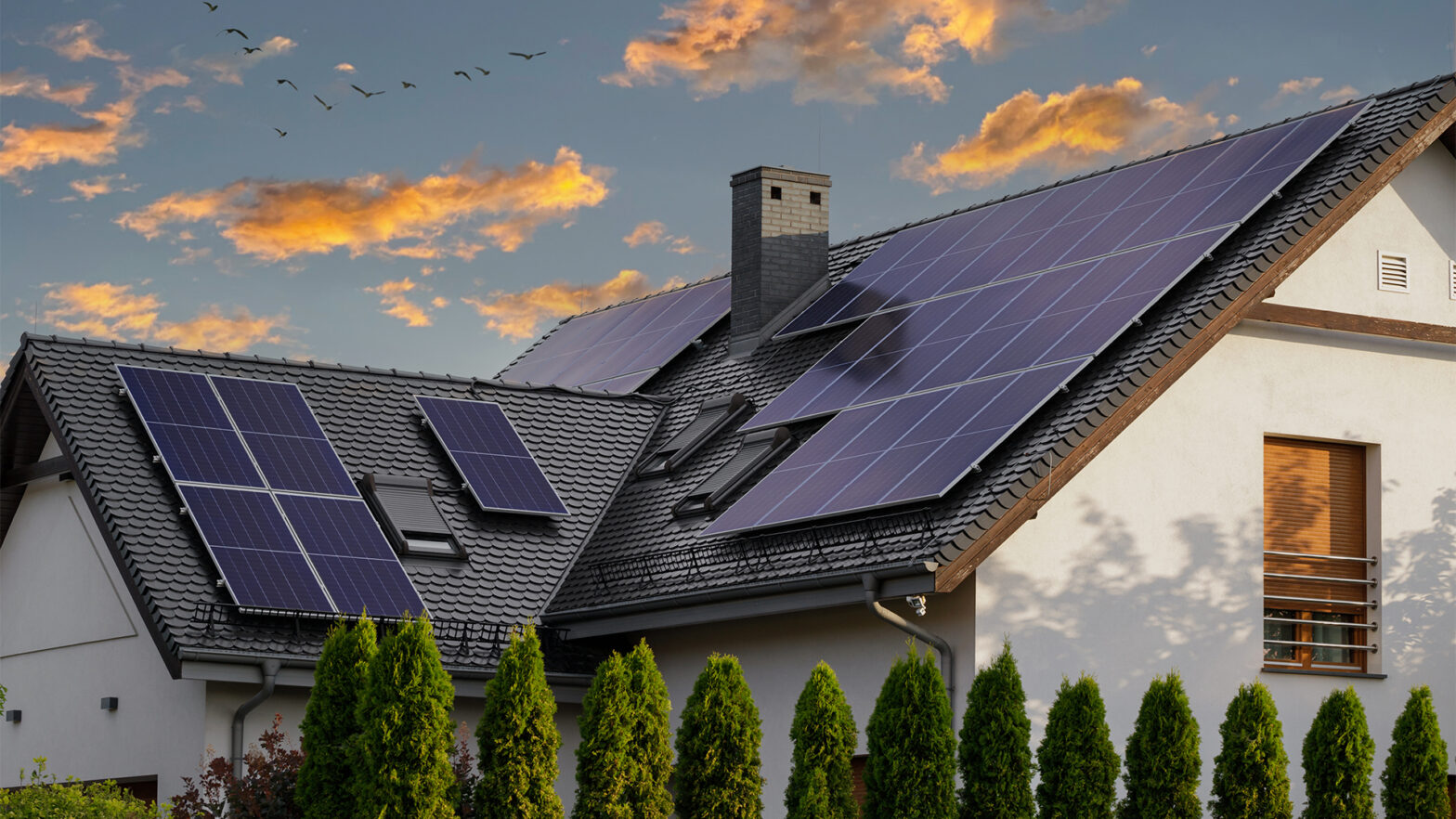
If you have solar panels, a home battery or a heat pump (or even all three), it’s also worth checking these are doing what they should. If you’ve changed electricity tariff, ensure your solar/battery system is properly optimised for that tariff, and that those panels are generating (easier now than it will be in a few weeks as generation naturally drops). Heat pumps benefit from an annual service just like a boiler, and checking the commissioning settings (including weather compensation curves) can help ensure your heat pump works at its best.
6. Consider your tariff
It’s not strictly an efficiency saving, but it could save you money: prices for utilities change, different tariffs come in and drop out, and you may not be on the best tariff for your needs. So take fifteen minutes and get some quotes for different providers and see if you can do better than your current tariff.
If you’re ready to do more than these six simple things, then consider a bigger, more intelligent retrofit. Genous can help you to improve the home efficiency of your home by implementing structural changes that can save you money, reduce emissions and future-proof your home.