










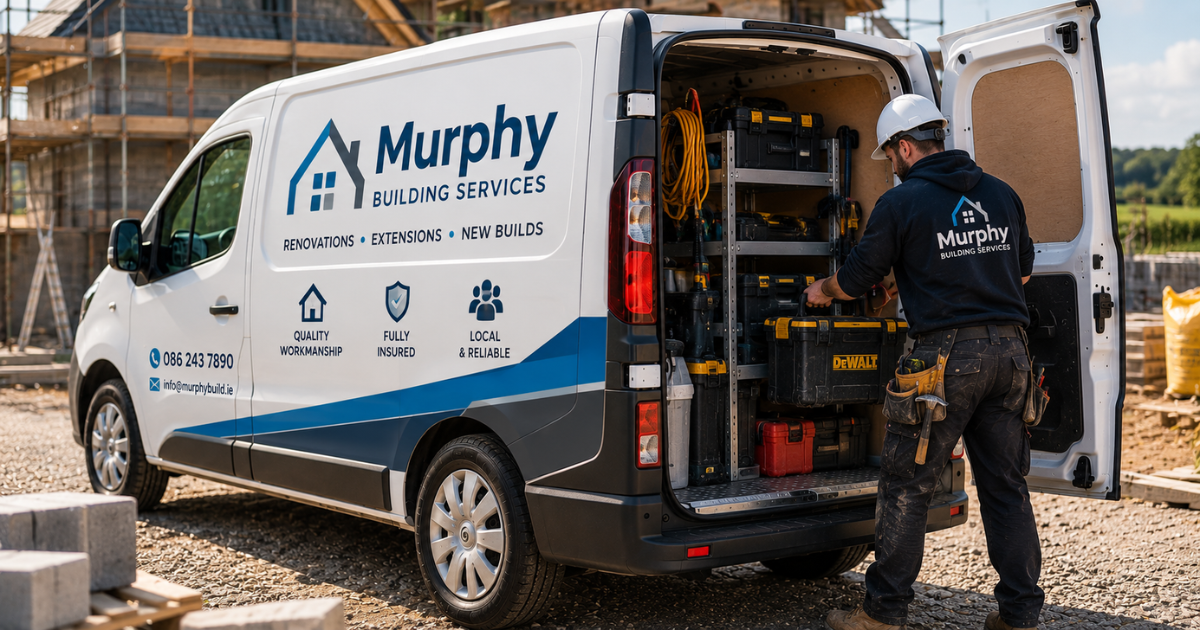











For builders, contractors, electricians, plumbers and other trade professionals, a commercial van is often one of the most important assets in the business. It transports tools, materials and equipment between projects while helping teams stay productive and responsive on site.
As operating costs continue to rise, many businesses are reviewing areas where savings may be possible. Vehicle insurance is one expense that deserves attention, particularly for businesses operating one or multiple vans throughout the year.
The cost of van insurance in Ireland is influenced by several factors, including the vehicle, drivers, claims history, mileage and security arrangements. Businesses looking to review their options can compare commercial cover through providers such as InsureMyVan.ie. While there is no guaranteed way to secure a lower premium, understanding what insurers consider when assessing risk can help businesses make informed decisions.
Why Insurance Costs Vary
Commercial vehicles remain essential across the construction and trade sectors. According to the Society of the Irish Motor Industry (SIMI), registrations of light commercial vehicles continue to demonstrate strong demand from businesses that rely on vans for daily operations.
Insurance providers assess a range of factors when calculating premiums, including:
- Vehicle type and value
- Driver experience and history
- Claims record
- Annual mileage
- Business use
- Security arrangements
- Overnight parking location
Because every business operates differently, insurers assess risk based on the specific circumstances of the vehicle and its drivers.
Choose Vehicles with Long-Term Costs in Mind
When purchasing a new commercial vehicle, businesses often focus on payload, reliability and purchase price. However, insurance costs should also form part of the decision-making process.
Larger, higher-value or more powerful vehicles can sometimes attract higher premiums than smaller alternatives. Before committing to a purchase, it can be worthwhile obtaining insurance quotations for several suitable models.
Considering total ownership costs rather than simply the purchase price can provide a more accurate picture of long-term affordability.
Maintain a Strong Claims History
A positive claims record remains one of the most important factors insurers consider.
For businesses operating commercial vehicles, preventing avoidable accidents can help protect No Claims Discounts while reducing the likelihood of premium increases at renewal.
The Health and Safety Authority’s Driving for Work guidance highlights the importance of vehicle maintenance, driver management and safe driving practices.
Simple measures such as vehicle inspections, driver training and clear company driving policies can help minimise incidents and support safer driving practices across the business.
Over time, maintaining a strong claims history may contribute to more competitive insurance pricing.
Review Driver Lists Regularly
Construction and trade businesses often experience staff changes throughout the year. Employees join, leave or move into different roles, yet vehicle insurance policies are sometimes left unchanged.
Regularly reviewing who actually requires access to company vehicles helps ensure policy information remains accurate.
Factors such as age, driving experience, licence history and previous claims may all influence premiums, making it worthwhile to keep driver lists up to date.
Improve Vehicle Security
Commercial vehicles frequently carry expensive tools, machinery and specialist equipment, making them attractive targets for theft.
Security measures may help reduce risk and potentially improve how insurers assess a vehicle. Depending on the circumstances, businesses may consider:
- Approved alarm systems
- Immobilisers
- GPS tracking devices
- Secure tool storage systems
- CCTV-monitored parking areas
While additional security does not automatically guarantee a discount, reducing theft risk can provide operational and financial benefits beyond insurance considerations alone.
Consider Where Vehicles Are Stored
Insurers often take overnight parking arrangements into account when assessing risk.
A van parked in a secure yard or locked compound may present a different risk profile compared to one regularly left on a public road.
Construction companies and contractors that have invested in secure premises should ensure their insurer is aware of the current parking arrangements when obtaining quotations or renewing cover.
Monitor Annual Mileage
The amount of driving completed each year can influence insurance costs.
Businesses operating across multiple counties may naturally accumulate higher mileage than contractors working within a smaller geographic area. Accurate mileage estimates help insurers assess risk appropriately.
Reviewing service records, CVRT documentation and vehicle logs can help establish realistic annual mileage figures.
If work patterns have changed significantly since the previous policy period, updating mileage information may be worthwhile when discussing renewal options.
Compare Cover Options Carefully
When reviewing commercial vehicle insurance, it is important to compare more than just the headline premium.
Businesses should assess:
- Excess levels
- Driver restrictions
- Breakdown assistance
- Windscreen cover
- Courtesy vehicle availability
- Tool and equipment protection
In some cases, Comprehensive cover may not be significantly more expensive than lower levels of protection.
For businesses that depend heavily on their vehicles, understanding exactly what is included can be just as important as the price itself.
Review Insurance at Renewal Time
Insurance should not become a “set and forget” business expense.
Changes such as reduced mileage, improved security, additional claim-free years or changes to driver arrangements may alter the risk profile presented to insurers.
Conducting a full review before renewal provides an opportunity to ensure the policy still reflects how the vehicle is actually being used.
A Practical Approach to Cost Management
Commercial vehicle insurance remains a necessary operating expense for construction and trade businesses throughout Ireland. While there is no single solution that guarantees lower premiums, businesses can often improve their position by maintaining accurate policy information, promoting safe driving, improving vehicle security and regularly reviewing their cover requirements.
Combined with wider vehicle management practices, these measures can help businesses manage operating costs while maintaining appropriate protection for one of their most valuable working assets.