



















Energy bills are set to rise by 13% in July, forcing homeowners to look for ways to reduce costs and improve the energy efficiency of their homes. Loft insulation remains one of the most effective and popular upgrades available, and roofing and insulation expert Mike Storey of UKFR Roofing & Insulation, explains why achieving long-term performance depends on far more than simply increasing insulation depth.
With tighter energy-efficiency standards and growing demand for low-carbon heating systems, installers are now expected to deliver insulation solutions that improve comfort, reduce heat loss, and work effectively alongside modern ventilation and heating systems. Poorly specified or incorrectly fitted insulation can lead to condensation, restricted airflow, and reduced efficiency, particularly in older properties.
For installers, understanding how insulation interacts with the wider building fabric is becoming increasingly important. Getting loft insulation right the first time not only improves overall thermal performance but also helps prevent costly remedial work later.
Thermal performance
Loft insulation remains one of the simplest and most effective ways to reduce heat loss within a property. In many older homes, a significant proportion of heat escapes through poorly insulated roof spaces, increasing both running costs and heating demand.
Correctly installed insulation helps create a more stable indoor temperature, allowing heating systems to operate more efficiently and reducing overall energy consumption. This becomes particularly important as more homeowners transition towards low-temperature heating systems and heat pumps, which rely heavily on good thermal performance throughout the property.
However, insulation should never be considered in isolation. As properties become more airtight, maintaining adequate ventilation within the roof space is essential to prevent moisture build-up and condensation issues.
Blocking the airflow or compressing insulation into tight spaces can restrict natural ventilation pathways and increase the risk of damp, mould, and timber deterioration over time. Ensuring ventilation routes remain unobstructed is, therefore, critical during installation.
Choosing the right material
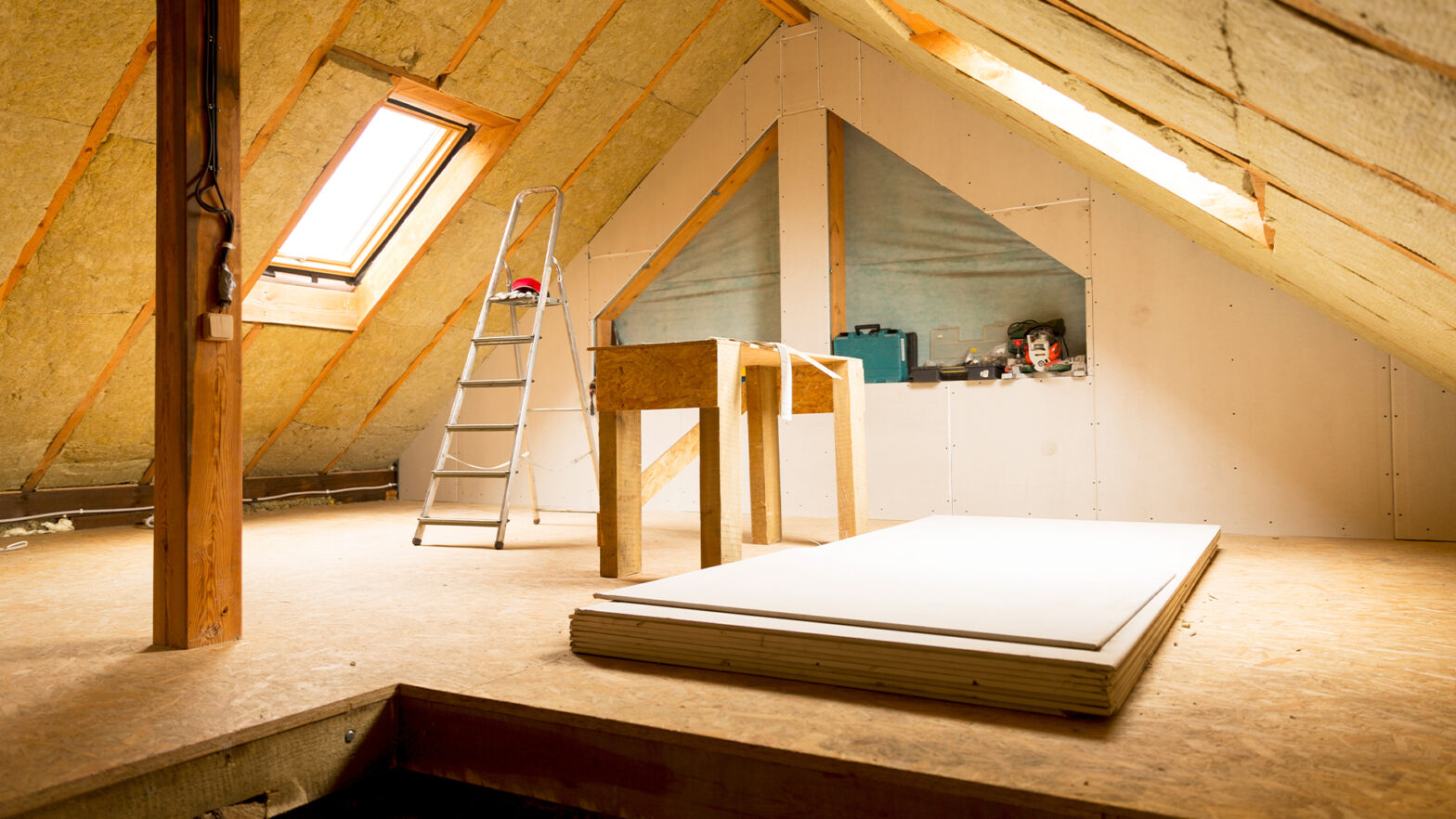
A wide range of loft insulation products are now available, including mineral wool, rigid insulation boards, and multi-foil systems. The most suitable option will often depend on the property type, available space, and desired thermal performance.
Mineral wool remains one of the most widely used materials due to its cost-effectiveness, ease of installation, and reliable thermal properties. Rigid boards are often used where improved thermal efficiency is required with reduced thickness, particularly within loft conversions or restricted roof spaces.
Installers should also consider how insulation integrates with pipework, electrical services, and storage areas. Poorly fitted insulation or gaps between sections can create thermal bridges and cold spots, reducing overall efficiency.
Importantly, increasing insulation thickness alone does not always improve performance. Excessive insulation without adequate airflow can contribute to overheating during warmer months and increase the risk of condensation in winter.
Retrofit considerations
For retrofit projects, assessing the condition of existing insulation before adding new material is essential. Older insulation may have become compacted, damp or contaminated over time, reducing its effectiveness and potentially affecting indoor air quality.
Roof spaces should also be inspected for signs of moisture ingress, mould or roof leaks before installation begins. Addressing these issues beforehand helps avoid long-term performance problems and prevents damage to newly installed insulation.
Ventilation upgrades may also be required in some properties, particularly where previous insulation installations have restricted airflow within the loft space. Additional roof vents or improved eaves ventilation can help maintain a balanced and healthy roof environment.
As retrofit activity increases across the UK housing sector, insulation is also becoming more closely linked to heating system performance. Poor insulation standards can force heating systems to operate at higher temperatures, increasing energy consumption and reducing efficiency.
Avoiding installation mistakes
One of the most common issues installers encounter is inconsistent coverage across the loft area. Gaps, compressed insulation and poorly insulated junctions can all reduce thermal performance significantly.
Loft hatches are another frequently overlooked area. Without proper draught-proofing and insulation, heat loss can still occur even when the surrounding loft space has been upgraded correctly.
Storage boarding also requires careful consideration. Installing boards directly onto insulation can compress the material and reduce its effectiveness. Raised loft boarding systems help preserve insulation depth while still providing practical storage space for homeowners.
Installers should also ensure that pipework and water tanks remain adequately protected. Once insulation is installed at ceiling level, the loft spaces themselves become colder, increasing the risk of frozen pipes during winter if precautions are not taken.
Future-proofing homes
As energy efficiency standards continue to evolve, loft insulation remains one of the most cost-effective ways to improve building performance and support low-carbon heating strategies.
For installers, getting loft insulation right the first time helps deliver better thermal efficiency, improved homeowner comfort, and reduced energy demand, while also minimising the risk of future condensation and ventilation issues.
With greater focus on retrofit projects, heat pump adoption and whole-house energy performance, insulation expertise will continue to play an increasingly important role across the plumbing, heating and wider building services sector.
For more information, visit UK Flat Roofing.