




















The selection of appropriate wood screws affects the durability of the joint, structural safety, and installation comfort. Not only the length and diameter of the screw are of importance, but also the thread type, material, and wood properties. Understanding these parameters facilitates matching fasteners to a specific application and helps avoid common assembly errors.
Types of Wood Screws
The choice of screw type should be based on the intended purpose of the joint and the conditions under which it will operate. Different solutions are suitable for furniture assembly, others for building timber structures, and still others for constructing decking or facades exposed to moisture.
Wood screws designed for standard assembly work offer the most versatile application. They perform well when assembling interior fittings, lightweight structures, and in carpentry work. For heavier loads, structural timber screws are a better solution, as their design has been developed for joints transferring significant forces.
The most frequently used types include:
- multi-purpose screws – designed for most assembly work in wood and wood-based materials,
- structural timber screws – utilised when erecting roof trusses, gazebos, pergolas, and other timber structures where high joint strength is required,
- self-drilling wood screws – equipped with a point that facilitates installation without pre-drilling a pilot hole, particularly in softwood,
- decking screws – intended for outdoor applications, resistant to moisture and fluctuating weather conditions thanks to the use of stainless steel or appropriate protective coatings.
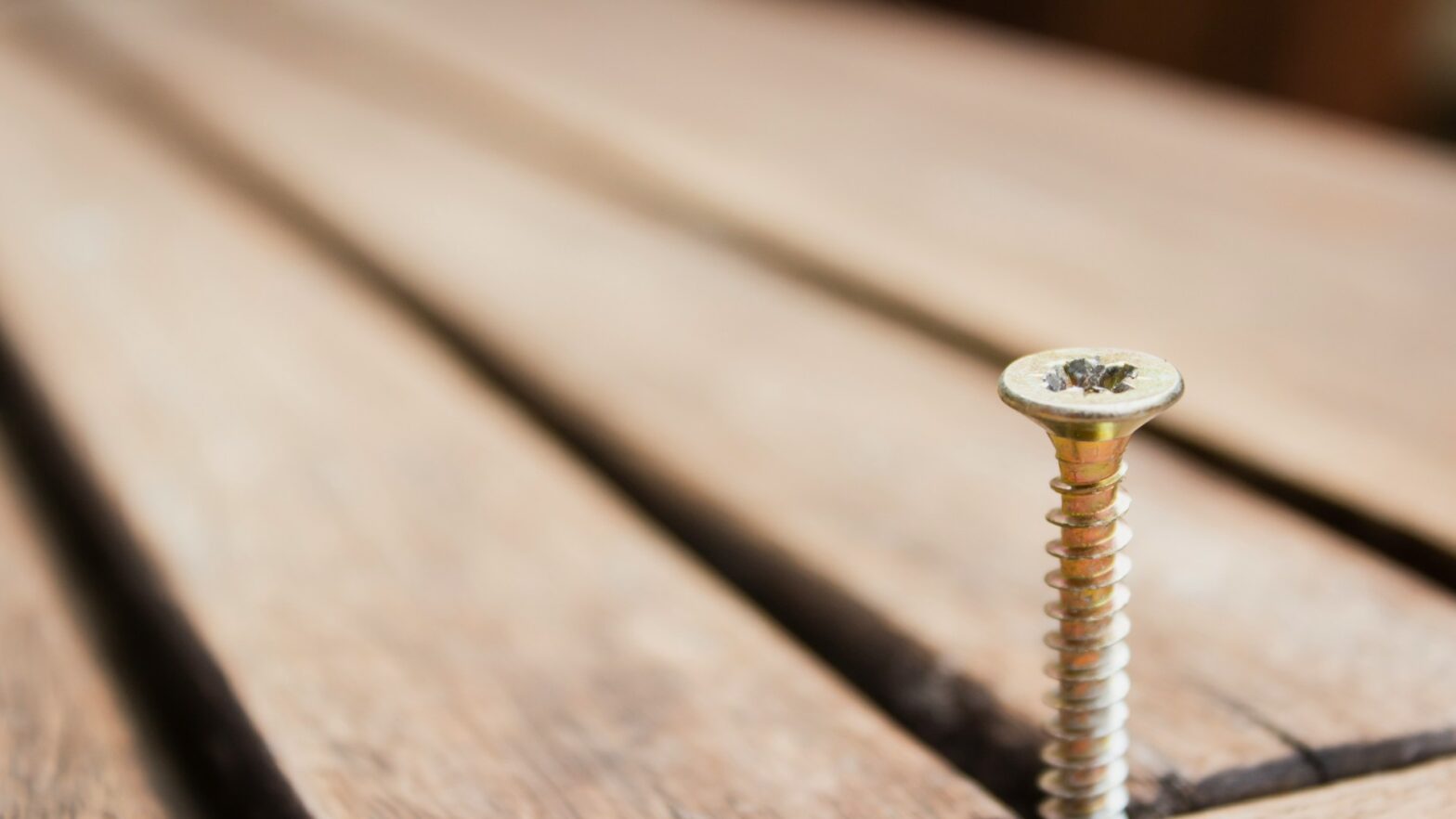
The thread type is also significant. A full thread increases the holding power of the element in the substrate, which is why it is frequently used in hardwood. A partial thread facilitates drawing two components tightly together, a feature utilised when making structural joints.
The product range of manufacturers includes numerous solutions differing in thread geometry, head type, or coating type. Examples include the systems available in the Marcopol portfolio, where fasteners are tailored to various applications in construction, the furniture industry, and timber structures.
Selecting Screw Length
The length of the screw determines the load-bearing capacity of the joint and its durability. A fastener that is too short will not provide sufficient embedment depth, while one that is too long may pierce the second component or weaken the structure.
As a general rule, the screw length should be approximately two to three times the thickness of the fastened component. If the fastened board is 20 mm thick, screws with a length of 40 to 60 mm are most commonly applied. However, the final selection depends on the joint type, anticipated loads, and wood species.
In addition to length, attention must be paid to the screw diameter. A larger diameter increases pull-out and shear resistance, hence its application in structures subjected to significant loads. For lighter carpentry work, thinner screws are sufficient, simultaneously mitigating the risk of splitting the material.
The thread type remains crucial as well. A partial thread enables effective clamping of two components without leaving a gap between them. A full thread proves effective where the maximum holding power of the screw in the wood is paramount, for example, during the installation of boards or structural components.
For outdoor structures, length is not the only parameter requiring attention. Screws used for decking, facades, or pergolas must simultaneously ensure corrosion resistance and retain their properties despite exposure to moisture and fluctuating temperatures.
The Impact of Wood Hardness on Screw Selection
The wood species directly influences the installation method and the parameters of the screws used. Softwoods and hardwoods differ in density, resistance to splitting, and the driving resistance they offer.
Hardwoods, such as oak, beech, or many exotic species, necessitate the use of screws with enhanced torsional strength. Special thread geometries and friction-reducing coatings also prove beneficial, making installation smoother and lowering the risk of material damage. In many instances, pre-drilling pilot holes is recommended.
Softwoods, including pine or spruce, allow for easier installation. Screws with a coarser thread pitch or self-drilling models are frequently used, which reduce working time and limit the number of operations performed.
When selecting fasteners, it is worth considering the following correlations:
- hardwood more frequently requires pre-drilling,
- higher material density increases the loads exerted on the screw during installation,
- appropriate thread geometry mitigates the risk of wood splitting,
- diameter and length should be tailored to the anticipated structural loads.
For outdoor applications, corrosion resistance must additionally be factored in. Decking screws made of stainless steel or equipped with durable protective coatings retain their properties even during years of outdoor service.
How to Prepare Pilot Holes for Screws
A carefully drilled pilot hole limits the risk of wood damage and facilitates the correct seating of the screw. This applies primarily to hardwood, larger-diameter components, and joints executed close to the material’s edge.
Pre-drilling yields several benefits:
- reduces the risk of wood splitting,
- facilitates driving and limits the strain on the tool,
- improves the precision of screw guidance,
- enhances the durability of the finished joint.
The diameter of the pilot hole should correspond to the minor diameter (core diameter) of the screw, i.e., the section beneath the thread. This allows the thread to effectively anchor in the wood, ensuring high joint strength. A pilot hole with an excessively large diameter weakens the fastening, whereas one that is too small increases the risk of splitting the material or damaging the screw itself.
When using countersunk head screws, countersinking the hole for the head is highly recommended. This enables a flush fit with the wood surface and an aesthetic finish without protruding elements.
Self-drilling models frequently eliminate the necessity for pilot holes in softwood; however, in high-density materials, even they may require prior substrate preparation.
A successful outcome relies on combining appropriately selected fasteners with the correct installation technique. Parameters such as length, diameter, thread type, corrosion resistance, and proper hole preparation should be analysed comprehensively. By doing so, the joint retains its durability in both indoor structures and outdoor applications.