





















The ground beneath a construction site may seem solid, but sinkholes can open up at any moment. Sinkholes are an unpredictable threat to infrastructure, as they can swallow roads, damage foundations and lead to costly repairs.
For engineers and contractors working in construction and civil engineering, understanding what causes sinkholes and how to prevent them is essential. Proper risk management can help protect both investments and lives.
What Are Sinkholes?
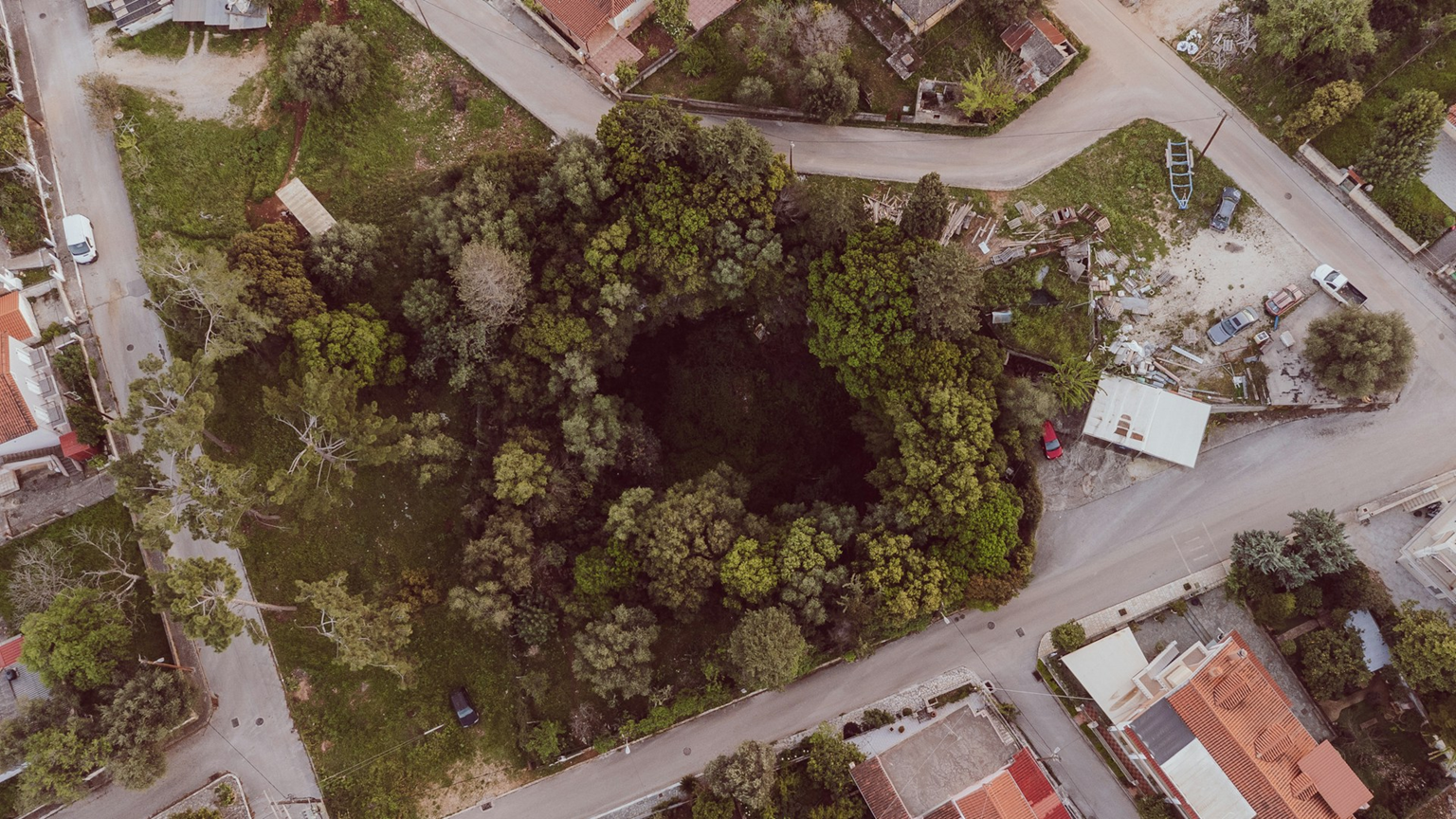
A sinkhole is a sudden hole or depression in the ground caused by the surface layer’s collapse. They often form in karst terrain, where soluble bedrock (such as limestone, dolomite, gypsum or salt beds) dissolves in slightly acidic groundwater.
Over time, groundwater circulation creates underground cavities. When these voids grow big enough that the overlying material cannot support its own weight, a collapse occurs. A sinkhole’s size can vary from a few feet to multiple acres and from under a foot to over 100 feet deep.
Types of sinkholes include:
- Dissolution sinkholes: These form where bedrock dissolves at or near the surface.
- Cover-subsidence sinkholes: These develop when loose sediment filters into widening bedrock fissures.
- Cover-collapse sinkholes: These occur when soil layers mask growing voids until sudden failure — this type poses the greatest risk because there’s often little surface warning.
Urban sinkholes are unique, as they can be caused by infrastructure failures rather than natural erosion. Human changes to drainage patterns and groundwater levels may trigger cover-collapse sinkholes that might not otherwise occur.
What Causes Sinkholes?
Sinkholes are primarily caused by circulating water that erodes soluble bedrock beneath the surface. However, several factors can trigger or exacerbate sinkholes, particularly in urban environments.
Heavy Precipitation
Heavy rainfall and flooding rank among the most common natural triggers, especially after a drought. When precipitation saturates soil, it accelerates bedrock dissolution and transports sediment into subsurface voids.
Concrete
In urban environments, impervious surfaces like concrete may concentrate runoff rather than allow gradual infiltration. This concentration can erode soil aggressively and channel greater water volumes into bedrock.
Vulnerable Bedrock
Geological vulnerabilities determine where sinkholes can develop. Areas underlain by limestone, gypsum or dolomite bedrock face inherent risk because these rocks may readily dissolve when exposed to acidic groundwater.
Water Drainage
Drainage is a common construction-related trigger. Improper stormwater management, broken water lines and concentrated runoff channel water into subsurface rock, creating localized erosion hot spots.
Groundwater Pumping
Groundwater pumping and drawdown can destabilize cavities. Water pressure helps support the overlying soil and rock. When pumping lowers the water table, this support vanishes.
Construction
Construction vibrations and loading from heavy machinery, blasting and the weight of new structures can trigger collapses where subsurface cavities exist.
Earthwork
Excavation and earthwork disrupt natural soil layers that previously bridged underground voids. Many sinkholes form during earthmoving because these activities weaken zones held in place by established soil structure.
Pipe Leakage
Leaking utilities call for special attention. Failing water, sewer and storm pipes can discharge water into subsurface materials, washing away soil. Because these leaks often go undetected, they create substantial voids before any surface signs appear.
Underground Infrastructure
Underground infrastructure, including tunnels, basements and utility conduits, alters how water moves through soil and rock, sometimes creating erosion pathways.
Warning Signs of a Sinkhole
Recognizing early indicators can prevent catastrophic collapse. Warning signs may include:
- Circular depressions in previously level ground
- Cracks in foundations, walls or pavement from a central point
- Doors and windows that suddenly stick due to settling
- Vegetation changes, including dead patches or unexpected water ponding
- Cloudy or muddy well water, which signals sediment transport
- Sounds of running water underground when no surface water is present
Ways to Prevent Sinkholes
On average, sinkhole damage costs at least $300 million per year in the U.S. This damage can lead to unsafe working conditions and delay valuable projects.
Here’s what contractors and engineers can do to fortify urban layouts against sinkholes:
- Risk mapping: Integrate geological data, historical sinkhole records and groundwater monitoring to identify high-risk zones.
- Site assessments: Conduct thorough geotechnical investigations before finalizing site plans.
- Drainage control: Design stormwater systems that prevent concentrated infiltration.
- Utility maintenance: Regularly inspect and service underground utility lines, including water and sewer lines.
- Grouting: Use cap and permeation grouting to fill voids and stabilize soil — proven methods for stabilizing subsurface voids and improving soil strength.
- Compaction: Ensure proper soil compaction during backfilling and site preparation.
- Deep foundations: Design structures to bridge potential voids or unstable zones.
- Regular monitoring: Monitor groundwater levels throughout construction and establish ongoing visual inspection programs.
- Warning systems: Use instrumentation, such as tiltmeters and extensometers, to detect ground movement.
Improperly maintained pipes cause many sinkholes in urban areas. When pipes leak, they create underground flows that accelerate erosion and surface collapse.
Preventive maintenance and purposeful design are essential for preventing large replacement costs. Municipal utilities and construction crews can work together to proactively replace pipes and other failing infrastructure before they become an issue.
Building Safely on Shifting Ground
Sinkhole damage prevention costs pale in comparison to complete replacement costs. A proactive approach also protects human life and prevents disruptions from an unexpected ground collapse.
Sinkholes pose serious threats, but they are neither inevitable nor unmanageable. Construction activities in karst terrain call for close attention to water management, thorough site investigation, appropriate foundation design and ongoing monitoring.
Lou Farrell
Lou has been the Senior Editor of sustainability, technology, and innovation for Revolutionized Magazine for over 4 years. In that time, he’s crafted countless articles diving into complex topics and breaking them down into actionable and informative insights. He loves being able to share what he knows with others, and writing is his top passion in life.
Credit for Image: Photo by Collins Lesulie on Unsplash