




















Commercial power outages are rarely as simple as waiting for the utility company to fix a downed line. While the grid can fail, an outage can just as easily originate inside your own facility, trapped at the main switchgear, transformer, or electrical panel. For property managers, misdiagnosing the source means wasting critical hours waiting on a utility crew while an internal electrical fault goes unaddressed.
Denver businesses have every reason to take outage planning seriously. In May 2026, a spring snowstorm left about 30,000 Xcel Energy customers without power, with heavy, wet snow contributing to widespread outages.
And with the U.S. Department of Energy noting that commercial and industrial sectors bear the heaviest economic burden of power interruptions, downtime is a luxury no facility manager can afford. However, true preparation goes beyond predicting the next storm; the primary goal is to know your building’s vulnerabilities and have a reliable 24/7 response plan ready.
Denver Weather Puts Electrical Systems Under Pressure
Denver gets a little bit of everything. Heavy, wet snow can weigh down trees and damage lines, while summer thunderstorms bring lightning, hail, and damaging winds. The National Weather Service identifies straight-line winds, hail, lightning, and flooding among Colorado’s major thunderstorm hazards.
Recent events show that these risks are very real. In addition to the May 2026 snowstorm, severe winds later that year produced thousands more outages, forcing Xcel Energy to deploy extended restoration shifts.
Extreme temperatures add another major strain: demand. According to Xcel, Colorado’s electricity demand is projected to increase 5% by 2029, driven partly by electrification and population growth. So your building does not need to experience a regional blackout to feel the consequences of that broader strain.
Know Where the Emergency Actually Starts
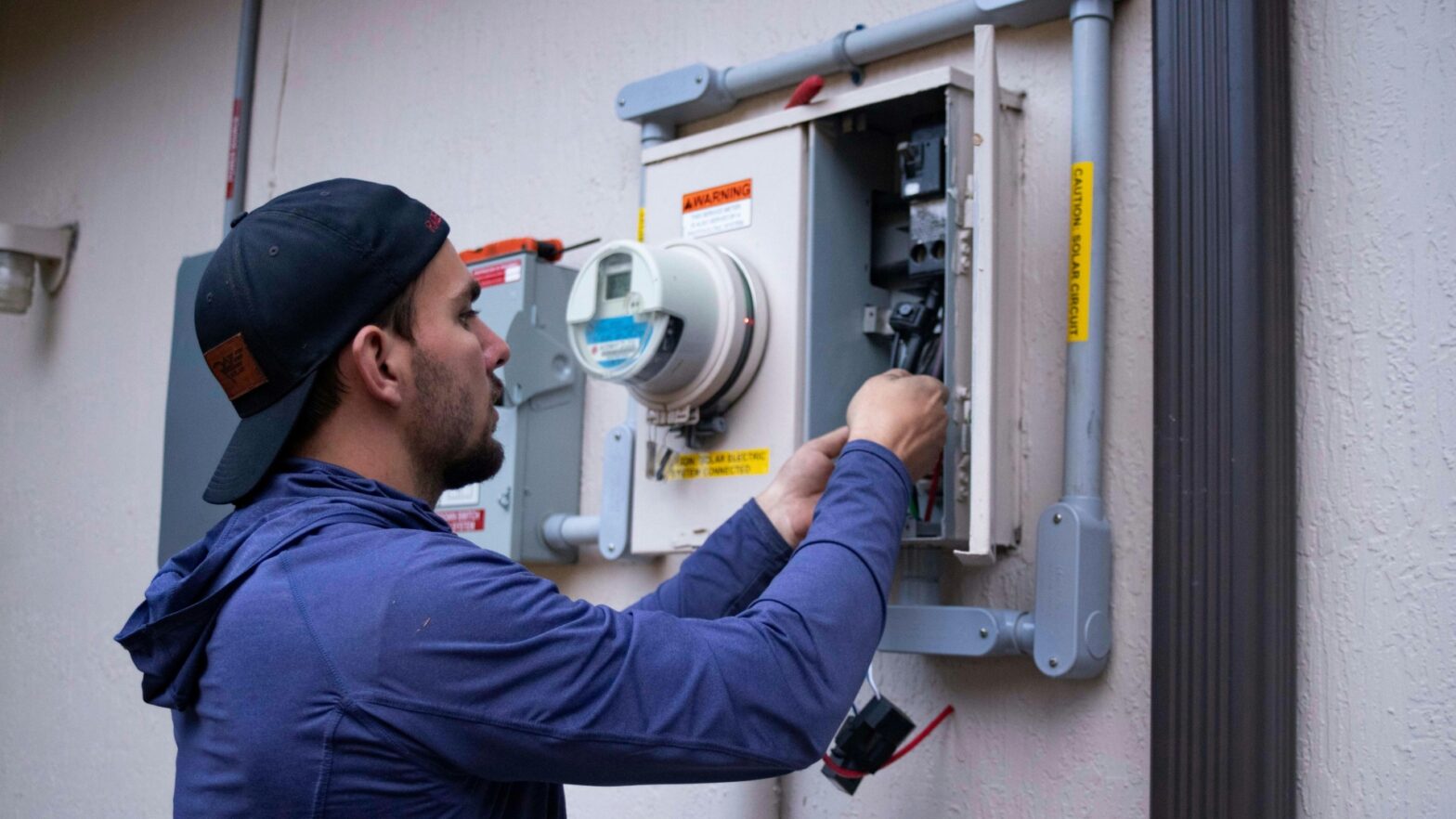
First, determine whether the utility has lost power to the entire property or whether the fault is somewhere inside your electrical system. Check your utility outage information, but also have qualified personnel inspect the building’s electrical infrastructure.
A tripped breaker, failed switchgear component, damaged transformer, transfer-switch problem, or localized equipment failure can create an outage that affects your facility while neighboring buildings remain operational. This is why your emergency plan should identify the location and condition of major electrical equipment before a storm arrives. Keep current single-line diagrams, equipment schedules, panel information, and generator documentation accessible to facilities staff and your electrical contractor.
Prevent a Small Electrical Problem From Becoming an Emergency
Some outages begin with obvious weather damage. Others start with a problem that has been developing for months.
To prevent the latter, schedule preventive inspections for switchgear, panels, transformers, emergency power equipment, and other critical components. Look for overheating, loose connections, damaged insulation, unusual equipment noise, repeated breaker trips, and other warning signs instead of waiting for a complete failure.
Pay close attention to generator and transfer-switch testing. A generator that starts only when someone presses the test button is not necessarily ready for a real outage. Test the complete sequence: utility loss, transfer, generator operation, load response, and return to normal power.
Your critical-load list should also be specific. Life-safety systems, fire pumps, emergency lighting, elevators, security systems, data infrastructure, refrigeration, and building controls may have very different backup-power requirements.
Build an Outage Response Plan
A good plan answers practical questions quickly:
- Who confirms whether the outage is utility-related?
- Who has access to electrical rooms and critical equipment?
- Which loads require immediate attention?
- Who contacts the electrical contractor?
- Who communicates with tenants, employees, customers, or building management?
- What equipment must remain offline until an electrician inspects it?
- Where are generators, fuel information, electrical diagrams, and equipment records documented?
Keep those answers somewhere your team can actually find them during a crisis.
When to Call 24/7 Emergency Electrical Service
Call a qualified commercial electrician when the problem appears to originate inside the building or when electrical equipment has suffered storm damage. You should also call immediately if power returns with abnormal behavior.
Likewise, avoid repeatedly resetting a breaker that keeps tripping. That can indicate an underlying fault, and repeated resets will not solve it.
When an outage points to a problem inside your facility, 24/7 emergency electrical service in Denver gives you access to qualified electricians who can troubleshoot commercial electrical systems, identify failed components, and make the necessary repairs safely.
Keep in mind, the right emergency response is not simply “get the lights back on.” It requires finding the failed component, making the system safe, repairing or replacing damaged equipment, and determining whether the building can return to normal operation.
Make the Next Outage Less Disruptive
You cannot control Denver’s weather or how quickly a utility crew can reach a damaged line. What you can control is how well your building is prepared for issues that occur inside its walls.
So, review your critical loads, test backup systems, inspect aging electrical equipment, and keep emergency contacts current before the next storm warning appears. And if the utility restores power but your building does not, remember the distinction: the grid can be back while your electrical system still has a problem. That is precisely where having a commercial electrical contractor on call can save considerably more than the cost of the service itself.