














A design solution that recreates the look of natural materials with greater durability and less maintenance. Material effect tiles combine visual appeal with everyday practicality.
Over the past decade, interior design has increasingly balanced aesthetics, practicality, and long-term performance. This shift is reflected in the rise of material-effect tiles, which replicate the look of natural materials while avoiding many of their maintenance, fragility, and cost issues. As a result, they have become a key feature in contemporary residential and commercial interiors, valued not as substitutes but as deliberate design choices that combine style and performance.
What are Material Effect Tiles?
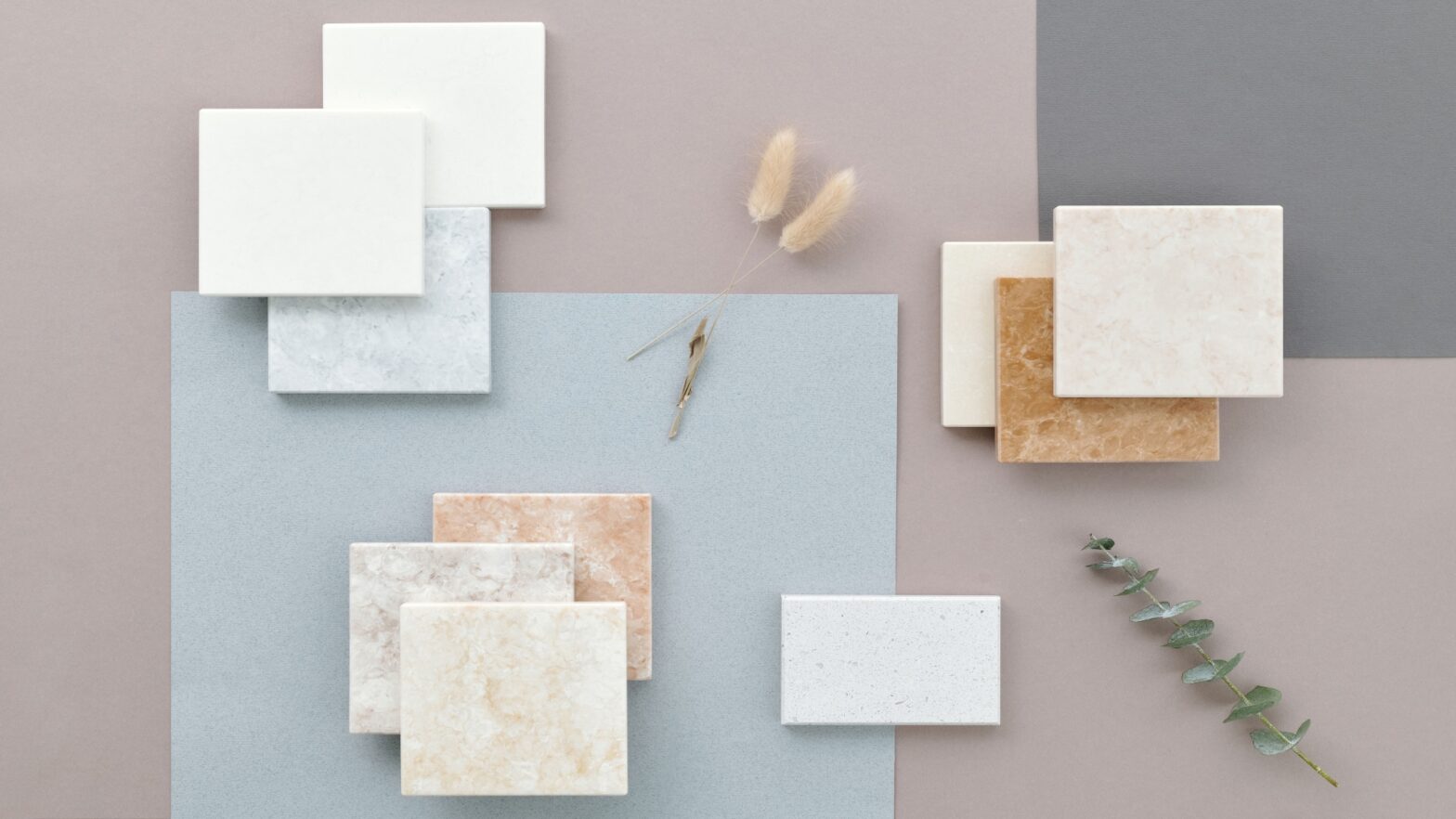
Material effect tiles are usually made from porcelain or ceramic and designed to replicate the look and texture of materials such as wood, stone, concrete, or fabric through advanced printing and texturing techniques. Unlike the surfaces they imitate, they offer greater consistency and durability, resisting warping, staining, and cracking, which makes them suitable for kitchens, bathrooms, commercial spaces, and outdoor areas. In essence, they combine the aesthetic appeal of natural materials with the technical advantages of modern ceramics.
Types of Material Effect Tiles
Material effect tiles come in a wide range of styles, each designed to replicate a specific natural or industrial surface. From the warmth of wood to the raw character of concrete and the elegance of marble, these finishes allow interior designers and architects to achieve distinct atmospheres without using the original materials.
Here are the main types of material effect flooring and what makes each one unique.
Stone Effect Tiles
Stone effect porcelain tiles, like the ones by Atlas Concorde, are designed to replicate materials such as limestone, slate, travertine, and sandstone. They often feature subtle tonal variations and textured surfaces that resemble quarried stone.
These tiles are widely used in bathrooms, hallways, patios, and high-traffic areas because they offer the natural, organic feel of stone without its weight or porosity. They are also significantly easier to install and maintain compared to natural stone slabs.
Design-wise, stone effect tiles bring a grounded, earthy aesthetic that works particularly well in neutral or nature-inspired interiors.
Wood Effect Tiles
Wood effect tiles are among the most popular options in this category. They replicate the appearance of natural hardwood, including grain patterns, knots, and warm tonal variations. They are available in planks of various lengths and widths, and they can convincingly mimic oak, walnut, pine, and other timber species.
These tiles are often used in living rooms, bedrooms, and open-plan spaces where homeowners want the warmth of wood without the vulnerability to scratches, moisture, or temperature changes. Unlike real wood, they are also compatible with underfloor heating and do not require maintenance.
Their versatility makes them suitable for both modern minimalist interiors and more rustic or traditional design schemes.
Marble Effect Tiles
Marble effect tiles imitate the elegant veining and polished surface of natural marble. They are commonly used in luxury-inspired interiors to achieve a refined, high-end look.
While real marble is porous and prone to staining, marble effect porcelain tiles offer a similar visual impact with far greater practicality. They are often used on floors, bathroom walls, and kitchen backsplashes.
Modern printing technology allows for highly detailed veining patterns, meaning each tile can replicate the depth and complexity of natural stone.
Concrete Effect Tiles
Concrete effect tiles capture the raw, industrial aesthetic of poured concrete surfaces. They typically feature subtle variations in tone, matte finishes, and a smooth or lightly textured surface. These tiles are a staple in contemporary and industrial-style interiors, often used in lofts, modern apartments, retail spaces, and offices. They create a minimalist backdrop that pairs well with metal, glass, and wood accents.
Unlike real concrete flooring, which can crack and require sealing, concrete effect tiles are stable, uniform, and resistant to staining.
Metal and Industrial Effect Tiles
A smaller but growing category includes tiles that mimic metallic surfaces such as steel, copper, or oxidized iron. These tiles are often used as statement features rather than full-floor solutions. They add a futuristic or industrial edge to interiors, particularly in commercial spaces, bars, or accent walls. Some designs also replicate weathered or patinated effects, offering a sense of depth and visual drama.
Fabric and Textile Effect Tiles
Another emerging design trend is the use of tiles that imitate woven fabrics or soft textile textures. These are typically subtle and matte and often used in neutral color schemes.
While they are less common in flooring, they are increasingly used on walls in bedrooms, hotels, and spa-like bathrooms to create a soft, calming atmosphere without introducing actual fabric materials that would be difficult to maintain, especially in humid environments.
Benefits of Choosing Material Effect Tiles
One of the main reasons for the popularity of material effect tiles is their ability to replicate natural aesthetics while solving many of the practical issues associated with real materials.
Durability and resistance
Porcelain and ceramic tiles are highly resistant to scratches, impact, and wear. Unlike wood, they do not dent easily, and unlike natural stone, they are less prone to stains and cracking under pressure.
Water and stain resistance
Most material effect tiles are non-porous, meaning they do not absorb water or stains. This makes them ideal for bathrooms, kitchens, and outdoor spaces, all areas where natural wood or marble would require extensive sealing and care.
Low maintenance
Natural materials often require ongoing maintenance such as polishing, sealing, or refinishing. Material effect tiles, by contrast, only require basic cleaning with standard household products.
Cost efficiency
While high-quality natural materials can be expensive to source and install, material effect tiles offer a more budget-friendly alternative without compromising on visual impact.
Design consistency
Natural materials vary significantly from piece to piece, which can be desirable but, in some situations also difficult to control, especially in large installations. Tiles, on the other hand, offer consistent patterns and colors, making it easier to achieve a uniform and carefully curated look.
Versatility
Thanks to their durability and resistance, material effect tiles can be used across floors and walls, indoors and outdoors, in both residential and commercial spaces. They represent a modern interpretation of natural materials, combining aesthetic appeal with practicality, flexibility, and long-term performance.