



















Construction sites are among the most dynamic environments where contractors, visitors and workers face various potential hazards daily. Clear signage plays a vital role in reinforcing safety procedures, communicating risks and directing movements. Keep reading to learn more about how signage can be used to identify emergency exits and warn against dangerous areas while supporting safety and health compliance.
Best Practices for Safer Worksites
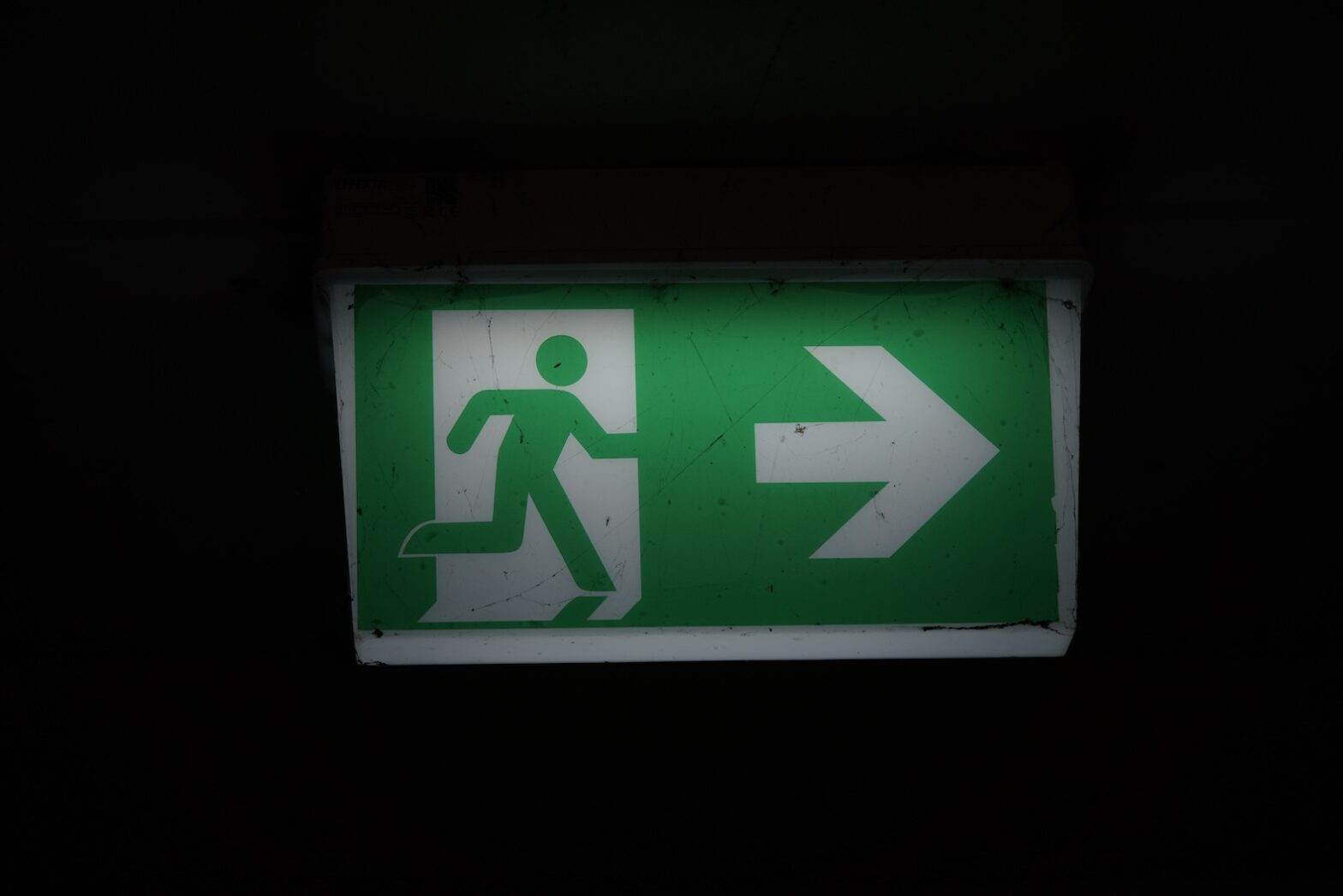
Construction sites present a wide range of risks, including falling objects, falls from height, restricted areas, electric hazards and moving machinery that can cause harm to both visitors and workers. A few years back, some companies often used verbal warnings (before the widespread use of modern safety signs). This includes methods like relying on workers‘ awareness and experience and site briefings. While some of the traditional methods still have value, some are inconsistent, especially in busy environments. With recent advancements in workplace safety, there have been developments of standardised and highly visible signs that communicate instantly. In most emergencies, particularly in low-light conditions or during blackouts, photoluminescent signs will ensure everyone can find their way out since they don’t require an external power source to remain visible. This is a necessary layer of safety, especially in sites that may require quick evacuation.
Photoluminescent signs are gaining popularity across construction sites thanks to their low-maintenance design and reliability. Compared to traditional signs that become ineligible when lighting fails, photoluminescent signs are designed to absorb and store ambient light. This minimises confusion during emergencies and facilitates safer navigation to assembly points, exits, and safety equipment. Because of that, companies can prevent accidents caused by delays during evacuation, poor visibility, falls and trips. Modern safety sign providers offer variations of photoluminescent signs to improve visibility around the clock and meet workplace safety requirements.
The Benefits of Clear and Effective Signage on Construction Sites
Construction sites are often busy with multiple activities taking place simultaneously. Electric systems, heavy equipment, restricted zones and elevated work areas can create a significant risk when communication is poor. Deploying effective signage serves as a constant reminder that helps visitors and workers understand their surroundings.
Better Emergency Response and Site Navigation
The complexity of construction projects may include changing layouts, restricted access areas and temporary pathways. Therefore, having clear directional signs helps visitors and workers to navigate effectively while avoiding hazardous zones. Additionally, during emergencies, safety signage plays an important role in showing exits, evacuation routes, fire safety equipment and first aid stations. Quick access to safety information saves valuable time when dealing with incidents and can help ensure orderly evacuations.
Improved Hazard Awareness
One of the main advantages of construction signs is the ability to show potential danger before accidents occur. Warning signage can highlight hazards like high-voltage equipment, moving vehicles, falling objects and excavations. Therefore, workers will remain alert since photoluminescent signs provide immediate visual reminders that also encourage safer behaviour. This is a proactive measure that minimises the likelihood of injuries and forms a foundation for a stronger safety culture.
Improve Operational Efficiency and Compliance
Clear and effective signage supports compliance with workplace safety and health regulations by communicating safety procedures, site-specific rules and mandatory actions. Other than compliance, clear signs enhance overall site productivity and organisation. Supervisors can easily reinforce safety expectations without relying heavily on verbal reminders, while workers save time when seeking clarification or directions. Clear signage is essential, especially when construction projects become more complex and larger, to maintain efficiency and safety.
Visibility and Type of Construction Safety Signs
Construction site signage can only work effectively if it is easier to understand and clearly seen when necessary. Choosing the right type of sign and making it visible under different conditions is essential to reduce risks and improve safety.
Why is Visibility Important in Construction Environments?
There is no specific time for construction, meaning it can occur late in the evening, early in the morning and during adverse weather conditions like dust, rain and fog. In most of these conditions and times, signs become challenging to see, increasing accident risks. Reflective materials, high-visibility signs and photoluminescent technologies ensure accessibility of important information even in poor lighting conditions. Additionally, clear signs with bad placements serve no purpose in supporting workplace safety. Therefore, they should be placed before hazards instead of directly beside them, positioned at eye level where possible and/or kept free from obstruction.
Type of Construction Safety Sign
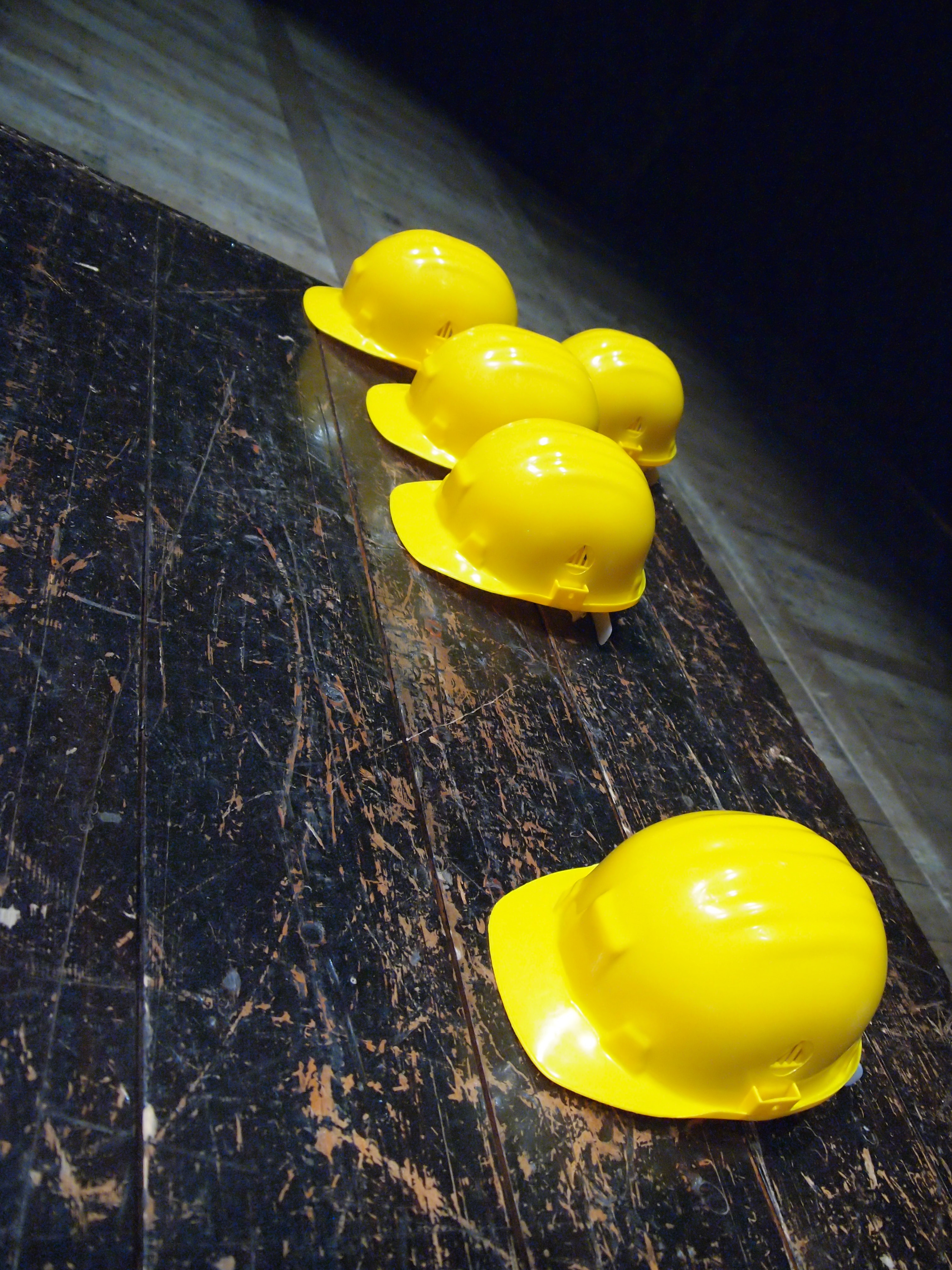
Different signs have different meanings. Mandatory signs show actions that must be followed, like wearing eye protection, hard hats and/or safety boots, while warning signs alert about potential hazards like moving vehicles, electrical dangers or falling objects. Prohibition signs, on the other hand, highlight forbidden behaviours like operating equipment without permission, smoking or unauthorised entry.
Fire and emergency safety signs are vital when quick decisions are required. They work by identifying emergency exits, assembly points, evacuation routes and fire-fighting tools.
In a Nutshell
Clear and effective signage is an important part of site safety, helping to guide movement, communicate hazards and support proper emergency response efforts. Highly visible signs are important in improving compliance and reducing risks as work sites become more complex.