









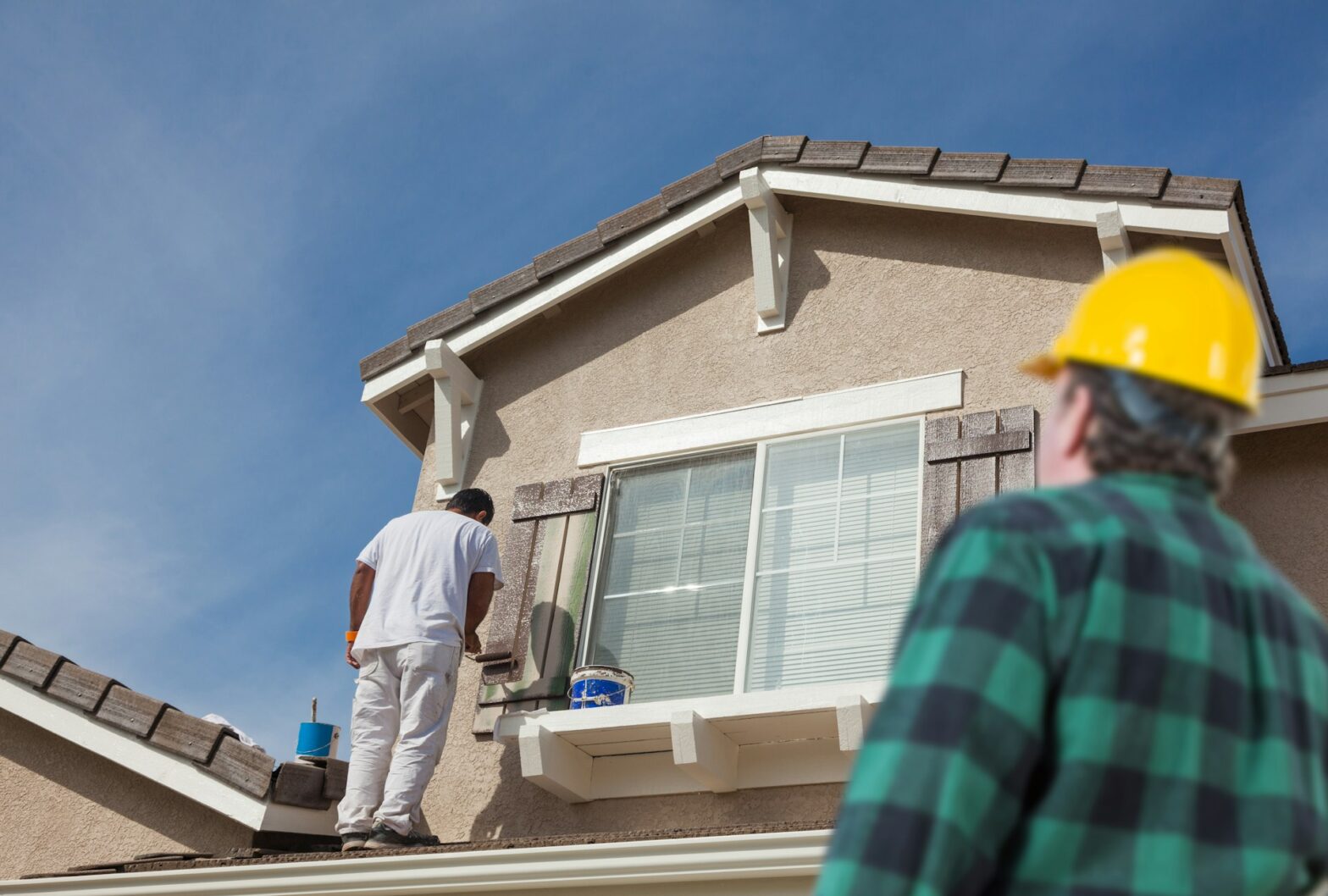











Replacing siding, windows, or roofing is one of the largest investments a homeowner makes. Unlike an interior renovation where a bad paint job is easy to repaint, exterior work is exposed to weather, neighbors, and potential buyers every single day. Choosing the wrong contractor can mean water intrusion behind new siding, windows that fog within two years, or a warranty that evaporates the moment the crew leaves your driveway.
The good news: most contractor problems are preventable. The homeowners who avoid them almost always did the same thing beforehand. They asked the right questions before signing anything. Here are five that should be on every homeowner’s list.
1. Are You Licensed, Insured, and Local to This Market?
Licensing requirements vary by state and municipality, but any legitimate contractor should be able to hand you proof of general liability insurance and workers’ compensation coverage without hesitation. If a crew member is injured on your property and the contractor carries no workers’ comp, you may be liable.
“Local” matters more than it sounds. A contractor headquartered in your metro knows local building codes, permit requirements, and the specific weather patterns that affect material selection. A storm-chasing crew that blows in after hail season may do adequate work, but they will not be around in eighteen months when you have a warranty question.
2. What Brands and Product Lines Do You Install?
Not all siding, windows, and roofing products are equal, and contractors often have preferred manufacturer relationships that influence what they recommend. Ask specifically which product lines they carry and why they recommend them for your climate.
A contractor who can explain the difference between vinyl siding grades, or walk you through the thermal performance specs on a replacement window, is a contractor who actually understands the products they install. Vague answers or immediate deflection to price are yellow flags worth noting.
3. Can You Provide Local References, Not Just Online Reviews?
Online reviews are useful but easy to game. Ask for two or three references from homeowners in your area who had similar work done within the past year. Then call those homeowners. Ask whether the crew showed up on schedule, how they handled unexpected issues mid-project, and whether they would hire the same contractor again.
A confident contractor will provide references without prompting. A hesitant one will tell you a lot by that hesitation alone.
4. Who Pulls the Permit, and How Do You Handle Inspections?
Permits are not just bureaucratic formality. They protect the homeowner by ensuring work is inspected against code. Unpermitted work can create problems when you sell the home, void manufacturer warranties, and in some cases create insurance complications after storm damage.
The right answer is that the contractor pulls the permit and coordinates inspections. If a contractor suggests skipping the permit to save money or speed up the timeline, walk away.
5. What Does the Warranty Actually Cover, and Who Backs It?
Exterior contractors commonly offer two types of warranties: the manufacturer warranty on the materials, and a workmanship warranty on the installation itself. Read both carefully. Manufacturer warranties can be voided if installation does not follow specified guidelines, which means a contractor’s poor technique can leave you with no coverage even on a product that was supposed to last decades.
Ask how long the workmanship warranty lasts and what the process is for filing a claim. A company that has been in business long enough to honor a five-year workmanship warranty is very different from one that was incorporated six months ago.
These five questions will not guarantee a perfect project, but they will filter out the contractors most likely to cause problems. The homeowners who skip this process are the ones who end up posting angry reviews months later.
If you are a homeowner in the Kansas City metro currently evaluating bids, it is worth reaching out to a reputable kansas city exterior contractor who can walk you through these questions directly. Comparing how different contractors respond to the same questions is one of the fastest ways to separate the professional operations from the ones you want to avoid.
The exterior of your home is not the place to find out a contractor cuts corners. Ask the questions before the project starts, not after the crew has packed up and left.