








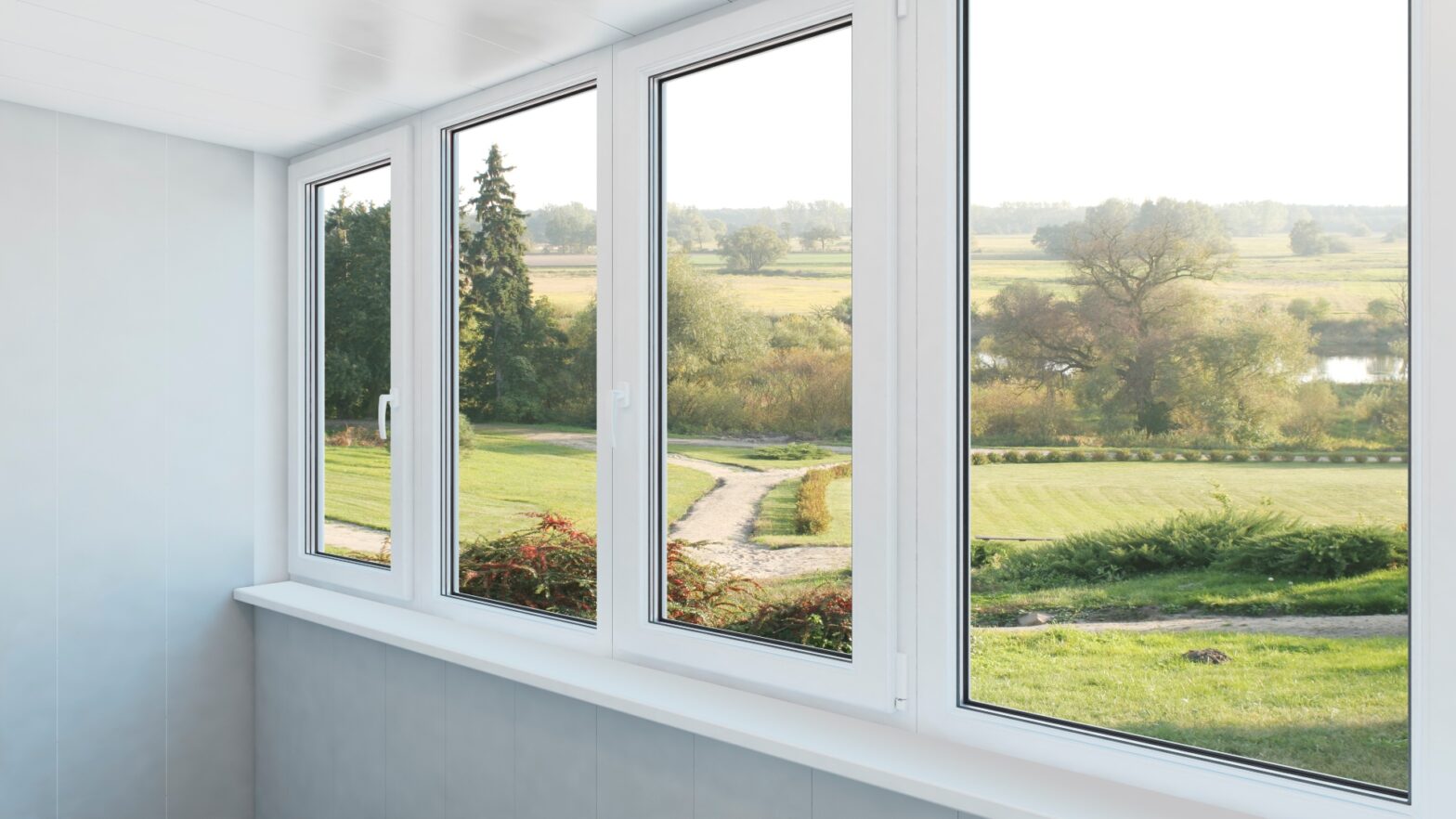











When a uPVC window starts to fail, most homeowners assume the worst: misted glass, a warped frame, a full replacement bill running into the hundreds. Fitters and surveyors know a different story. In a large share of callouts for “broken windows,” the frame and glazing are fine — the component that has actually failed is the handle, and it costs less than a takeaway to put right.
Why such a small part causes such big problems
A uPVC window handle is not just a grip. On modern casement windows it drives an espagnolette mechanism: turning the handle rotates a square steel spindle, which moves a locking rail inside the frame and pulls the sash tight against its seals at multiple points. Every draught-free, secure, quiet window depends on that chain working smoothly.
When the handle’s internal gearing wears — and on a window opened daily, ten to fifteen years is a normal lifespan — the chain breaks down in stages. First the handle feels stiff or gritty. Then the locking points stop engaging fully, so the sash no longer compresses the gasket. The homeowner notices a draught, or condensation creeping in around the frame, and starts budgeting for new windows. All the while, the fix was a two-screw swap.
The knock-on costs of ignoring it
A worn handle rarely stays a comfort issue. Three problems follow it:
Energy loss. A sash that isn’t pulled tight leaves a gap you can’t always see but will certainly pay for. With uPVC windows sold largely on their sealing performance, a failed handle quietly cancels the main benefit of the installation.
Forced-entry risk. A window whose locking points don’t fully engage looks locked but isn’t. Insurers increasingly expect key-locking handles on accessible windows, and a handle that no longer throws the mechanism properly undermines that cover.
Consequential damage. This is the one that costs real money. When a handle stiffens, people compensate with force. That force transfers into the gearbox and hinges — components that cost five to ten times more than the handle and take considerably longer to replace. In the trade it’s a familiar sequence: a £10 problem left for a year becomes a £70 problem.
Diagnosing it in sixty seconds
Open the window and operate the handle with the sash free. If it turns smoothly off the frame but stiffly when closed, the fault is more likely alignment or hinges. If it grinds, wobbles on its base, or won’t turn fully in either position, the handle itself has worn. Check the fixing screws under the cover caps first — a loose handle mimics a worn one — then, if tightening changes nothing, replace it.
The good news is that standardisation makes replacement genuinely simple. Most modern espag handles fit 43mm screw centres, and spindles come in lengths from 10mm to 55mm — measured from the handle base to the spindle tip — with many current designs supplied with adjustable or multi-length spindles that cover several sizes in one unit. Specialist suppliers such as Home Secure stock replacement window handles across espag, cockspur and tilt-and-turn patterns for a few pounds each, which means matching an obsolete handle is rarely the obstacle it once was.
A maintenance habit worth adopting
For landlords, property managers and anyone maintaining a portfolio, window handles belong on the annual checklist alongside smoke alarms and boiler services: operate every handle, tighten the fixings, and swap any that grind or fail to lock. It is one of the few maintenance jobs where the part costs less than the labour of almost anything else on the list — and one of the very few that, left undone, converts directly into draughts, insurance arguments and premature window replacement.
The windows themselves usually have decades left in them. It’s the £10 component doing the daily work that decides whether they get to serve them.