



















If you’re staring up at a tired tile roof or weighing options for a new build, you’ve almost certainly come across Colorbond. It’s the steel roofing brand that’s been on Aussie homes for decades, and it dominates the conversation any time someone in Queensland mentions replacing or upgrading their roof.
But is it actually worth the price tag? Does it suit Brisbane’s climate? What should you expect from the install itself, and how long will it actually last?
Here are the questions homeowners ask most often, with straight answers to each.
Why does Colorbond keep getting recommended over tiles?
Tiles have been the default on Australian homes for generations, but they come with quiet downsides that only show up after years of weather. They crack. They harbour moss. They can shift in big storms. The mortar bedding under the ridge caps deteriorates over time and lets water through.
Colorbond is a single sheet of pre-painted steel, fixed to battens with concealed or exposed fasteners depending on the profile. There’s no mortar, no individual pieces to dislodge, no porous surface for moss, and no ridge bedding to fail over time. When a hailstorm rolls through Brisbane in November, a Colorbond roof tends to walk away with cosmetic dimples at worst, while a tile roof can lose dozens of pieces.
The other piece of the comparison is weight. A tile roof is heavy. Switching to steel reduces the structural load on the rafters significantly, which matters on older Queenslanders that were never designed for the masonry tiles installed during a 1980s renovation.
What about heat? Doesn’t a metal roof cook the house?
This is the question almost every Brisbane homeowner asks first, and it’s a fair one. The short answer: modern Colorbond steel is engineered with a heat-reflective technology called Thermatech, which reflects more of the sun’s energy back into the sky rather than absorbing it into the roof cavity.
Lighter colours reflect more heat than darker ones, so a Surfmist or Shale Grey roof will run cooler than a Monument or Night Sky. Pair the sheeting with proper sarking and a layer of bulk insulation underneath, and the difference between a well-built Colorbond roof and a poorly insulated tile roof can be several degrees inside the house during summer.
What does the install process look like?
A proper colorbond roofing installation on an existing Brisbane home usually follows the same sequence, regardless of whether you’re stripping tiles, asbestos cement, old galvanised iron, or earlier Colorbond sheeting.
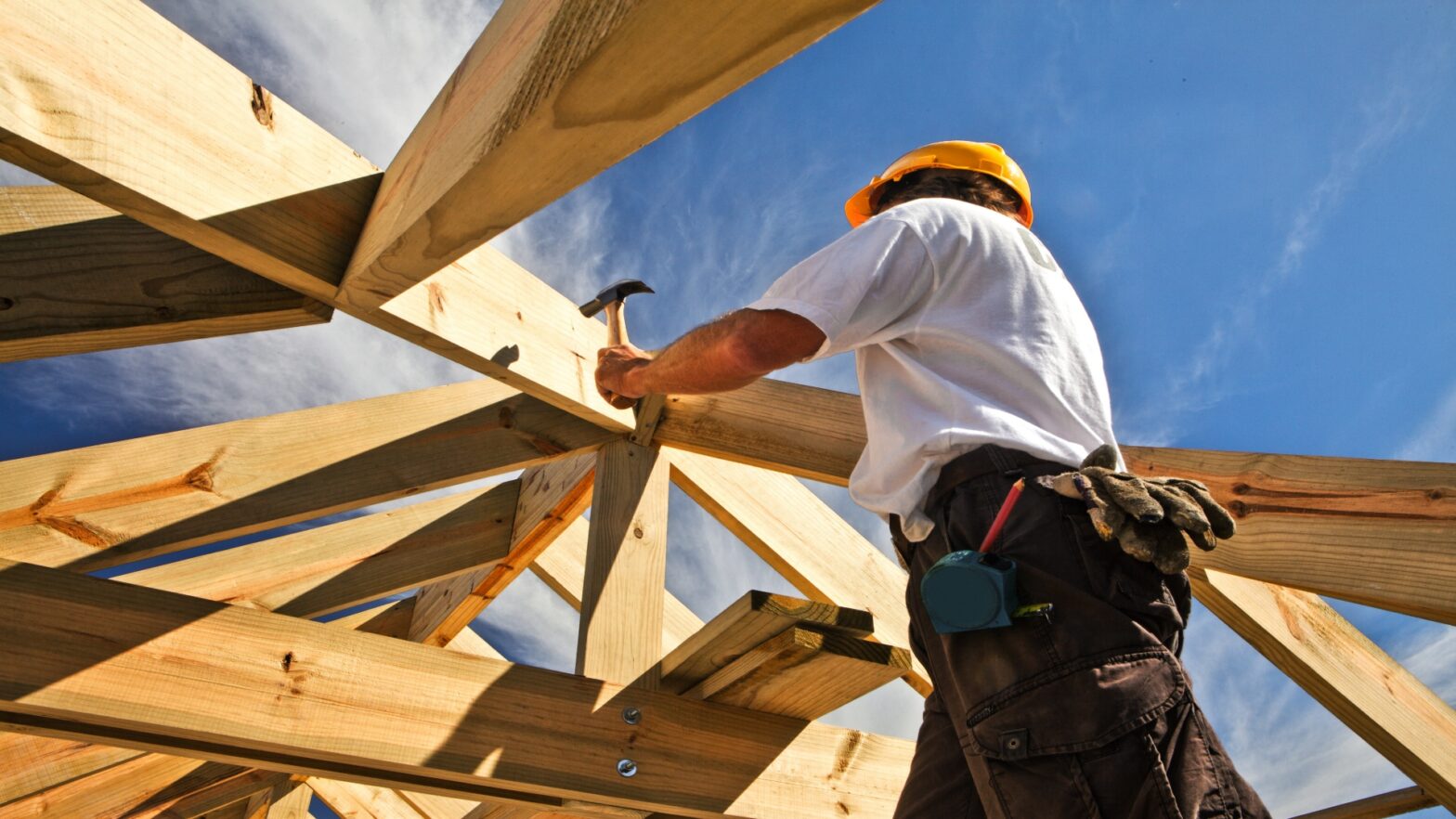
The crew strips the old roof down to the rafters and inspects the timber for rot or termite damage, replacing any battens that aren’t up to current code. New sarking goes down across the rafters to handle any condensation and act as a secondary water barrier. The Colorbond sheets are then cut to length, lifted into position, screwed down with sealed fasteners, and sealed at the laps. Ridge caps, barge cappings, gutters, and downpipes follow.
How long does Colorbond actually last?
BlueScope (the manufacturer) offers warranties up to 36 years on the sheeting itself, depending on the environment and proximity to the coast. In practice, a properly installed Colorbond roof in suburban Brisbane will perform for 40 to 50 years before it needs serious attention, and even then it’s usually the fasteners and flashings that go before the sheets do.
Compare that to tile, which often needs ridge re-bedding every 15 years and a full restoration around year 25, and the maths starts to favour steel even before you factor in the easier maintenance.
Will it be loud when it rains?
Less than you’d think. Sarking, insulation batts, and a plasterboard ceiling muffle the sound considerably. You’ll hear heavy rain, but it’s a soft drumming rather than the corrugated-iron-shed clatter people imagine. Most homeowners say they enjoy the sound during a storm.
What should I look for in a roofer?
A few practical things separate the good operators from the rest:
The quote should specify the BlueScope Colorbond grade, the screw type, the sarking brand, and whether new battens are included. Vague quotes hide cost blowouts.
The roofer should be QBCC licensed for the value of the work and carry public liability insurance. Ask for the certificate, not just a verbal confirmation.
Lead times are also worth asking about. A roofer who can start tomorrow is either very lucky or very quiet. The well-regarded Brisbane roofers usually have a two to six week wait, especially heading into storm season.
Is it the right call for your home?
If your existing roof is leaking, tile-heavy, showing its age, or simply not up to another decade of summers, Colorbond will almost always outperform a like-for-like replacement on cost over decades, weight on the structure, resilience in storm season, and ongoing maintenance. The upfront cost is higher than patching what you’ve got, but lower than another full tile reroof when you factor in the lifespan difference.
The real variable is the installer. Colorbond is only as good as the hands fitting it, which is why getting two or three detailed quotes from licensed Brisbane roofers is the single most useful thing you can do before signing anything.