




















Industrial facilities face constant challenges when it comes to maintaining equipment, structures, and critical infrastructure. Whether it’s preparing a surface for protective coatings, removing corrosion, cleaning industrial equipment, or restoring aging assets, surface preparation plays a vital role in ensuring long-term performance and reliability.
Traditionally, many facilities relied on abrasive blasting methods to remove contaminants and prepare surfaces. While these methods remain common, advances in industrial cleaning technology have led many organizations to adopt more efficient and environmentally responsible alternatives. One of the most effective solutions gaining popularity across industrial sectors is hydroblasting.
The Importance of Proper Surface Preparation
Surface preparation directly impacts the performance of coatings, linings, and protective systems. If rust, scale, paint, or contaminants are not properly removed, coatings can fail prematurely, leading to increased maintenance costs and equipment downtime.
Industries such as power generation, manufacturing, petrochemical processing, water treatment, and commercial construction all depend on proper surface preparation to protect valuable assets and extend service life.
A well-prepared surface improves adhesion, reduces corrosion risks, and helps facilities maintain compliance with safety and operational standards.
Why Hydroblasting Is Gaining Popularity
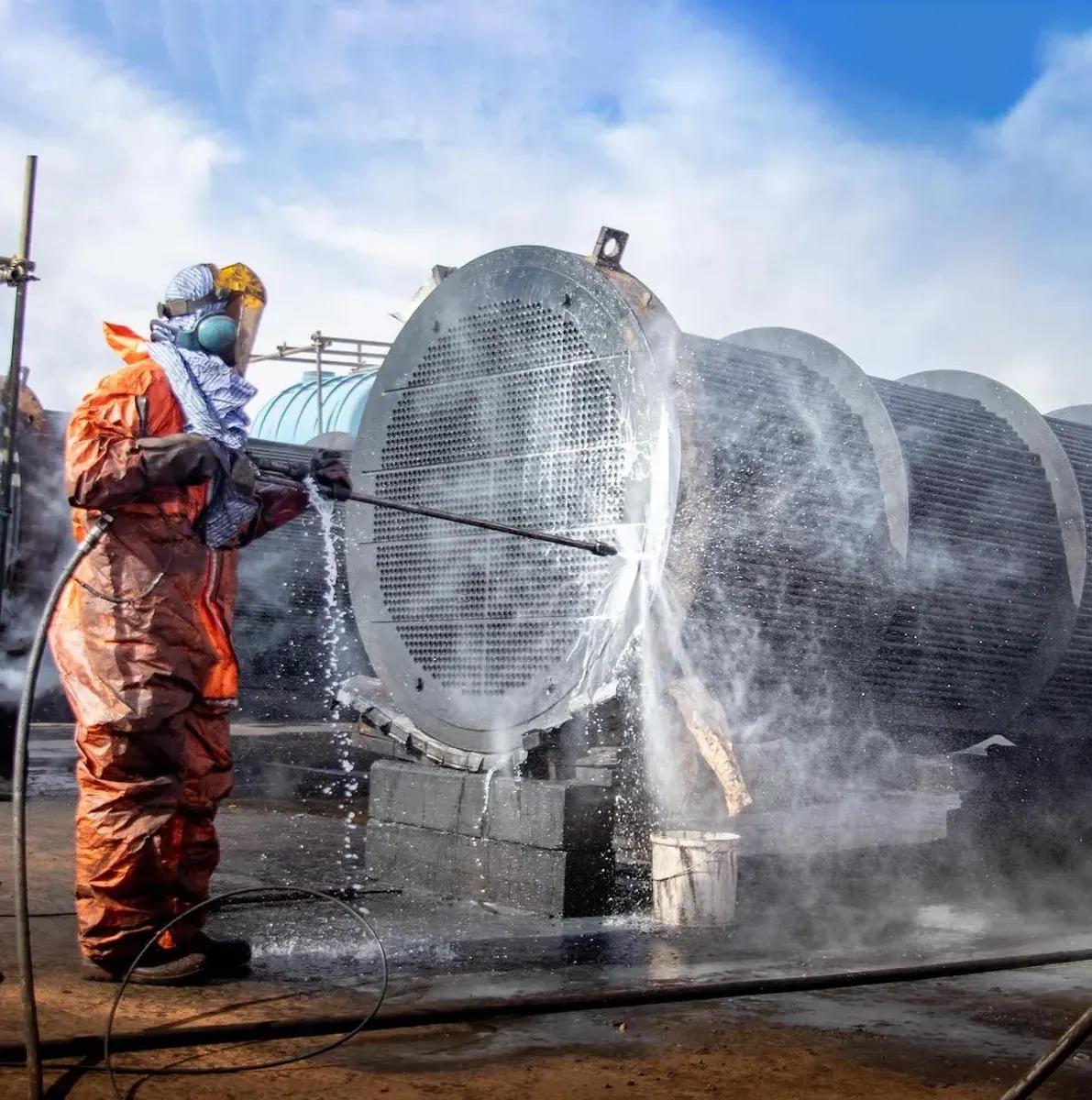
Hydroblasting uses highly pressurized water to remove coatings, debris, scale, and contaminants from a variety of surfaces. Unlike abrasive blasting methods, hydroblasting can effectively clean surfaces without introducing additional media that must later be collected and disposed of.
Many facility managers are increasingly relying on professional hydroblasting services to prepare critical infrastructure while minimizing environmental impact and reducing cleanup requirements.
This technology has become especially valuable in industries where environmental regulations, worker safety, and operational efficiency are top priorities.
Environmental Advantages
Environmental concerns continue to influence maintenance strategies across many industries. Traditional blasting methods often generate significant dust and waste material, creating additional cleanup requirements and disposal costs.
Hydroblasting offers several environmental benefits:
• Reduced airborne dust generation
• Lower waste disposal requirements
• Minimal secondary contamination
• Reduced environmental impact during maintenance projects
• Improved worker safety conditions
For facilities seeking sustainable maintenance solutions, hydroblasting provides an effective alternative without compromising cleaning performance.
Applications Across Multiple Industries
Hydroblasting can be used in a wide range of industrial applications.
Common uses include:
Storage Tanks
Industrial storage tanks require periodic maintenance to prevent corrosion and preserve structural integrity. Hydroblasting can effectively remove coatings, rust, and contaminants from tank surfaces prior to inspection or recoating.
Industrial Equipment
Manufacturing equipment often accumulates deposits, scale, and buildup that can affect performance. Hydroblasting helps restore equipment without causing damage to sensitive surfaces.
Concrete Surface Preparation
Infrastructure projects frequently require concrete cleaning and preparation before repairs or protective coatings can be applied. Hydroblasting can remove deteriorated material while preserving sound concrete underneath.
Pipelines and Process Systems
Industrial piping systems can experience buildup and contamination over time. High-pressure water cleaning provides an effective method for restoring operational efficiency and preparing systems for maintenance activities.
Improving Worker Safety
Safety remains a primary concern during industrial maintenance projects. Excessive dust, airborne contaminants, and abrasive materials can create hazards for workers and surrounding operations.
Hydroblasting helps reduce many of these risks by using water as the primary cleaning medium. When combined with proper safety procedures and trained operators, hydroblasting can provide a safer working environment while maintaining high cleaning performance standards.
Organizations that prioritize worker safety often view hydroblasting as a valuable component of their overall maintenance strategy.
Cost Savings Through Better Asset Management
Although some facility managers focus primarily on upfront project costs, long-term asset management often produces the greatest financial benefits.
Proper surface preparation contributes to:
• Longer coating life
• Reduced corrosion damage
• Lower maintenance frequency
• Improved equipment reliability
• Extended asset lifespan
When infrastructure remains in good condition for longer periods, organizations can significantly reduce lifecycle maintenance costs.
The Future of Industrial Maintenance
As industrial facilities continue to modernize, maintenance strategies are evolving alongside new technologies and environmental expectations. Hydroblasting has emerged as a preferred solution for many organizations because it combines effectiveness, sustainability, and operational efficiency.
From manufacturing facilities and power plants to commercial infrastructure and industrial storage systems, hydroblasting provides a versatile approach to surface preparation that supports both performance and environmental goals.
Organizations that invest in modern maintenance solutions today will be better positioned to protect their assets, improve safety, and control costs in the years ahead.