


















The use of HVAC offsite build methods is growing across the UK construction industry as businesses look for faster, more efficient, and more sustainable ways to deliver projects. By manufacturing HVAC systems in a controlled factory environment before transporting them to the final location, contractors can reduce delays, improve quality, and maintain better control over budgets and schedules.
For organisations managing large HVAC projects, combining offsite construction with HVAC installations and maintenance software can help track installation progress, maintenance requirements, inspections, and compliance activities throughout the project lifecycle.
As labour shortages, rising material costs, and increasing sustainability targets continue to affect the construction sector, modular construction and HVAC prefabrication are becoming attractive alternatives to traditional building methods.
Key Benefits of HVAC Offsite Build
HVAC offsite build allows HVAC systems to be manufactured in a factory before installation on site. Key benefits include:
- Projects can be completed 30–50% faster than traditional construction methods
- Improved quality control through factory manufacturing
- Reduced construction waste and material waste
- Greater weather independence and fewer weather related delays
- Lower labour requirements during installation
- Reduced carbon footprint and improved sustainability
What Is HVAC Offsite Build?
HVAC offsite build refers to the process of manufacturing HVAC components, modules, or complete systems within a factory before they are transported and installed on site.
Unlike traditional construction, where heating, ventilation, and air conditioning equipment is assembled entirely on site, offsite construction shifts much of the process into a controlled production line environment.
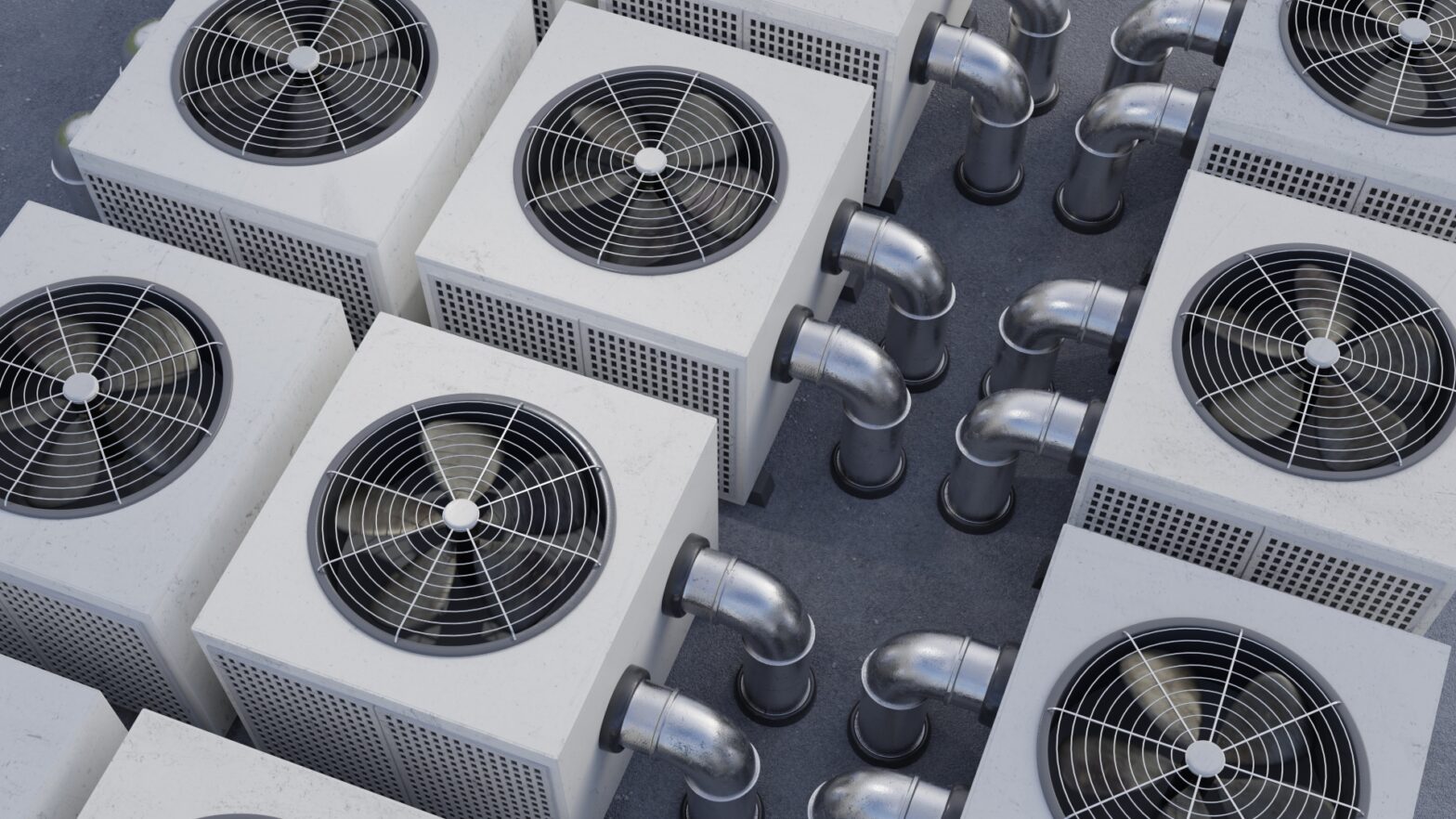
This approach can include prefabricated ductwork, pipework assemblies, plant room modules, mechanical service modules, ventilation systems, and fully integrated HVAC systems. The completed modules are transported to the construction site and assembled as part of the wider build process.
How HVAC Offsite Construction Works
The process begins with detailed HVAC design and coordination during the planning phase.
Once designs are approved, components are manufactured and assembled within a factory while site preparation takes place simultaneously. Modules are then transported to the site, installed, tested, and commissioned.
Because manufacturing and on site activities can happen at the same time, businesses can reduce installation time, avoid wasted time, and improve overall delivery.
Why HVAC Offsite Construction Is Growing
Labour shortages, rising material costs, sustainability targets, and demand for faster project delivery are driving increased adoption of HVAC offsite build methods across the construction industry.
Benefits of HVAC Offsite Build
Faster Project Delivery
One of the biggest benefits of HVAC offsite build is speed.
Studies show that offsite construction can be 30–50% faster than traditional methods. Since factory production and site preparation occur simultaneously, project teams can significantly shorten the overall project timeline.
Benefits include faster assembly, reduced delays, improved schedule certainty, and a shorter project timeline.
Improved Quality Control and Consistent Quality
Factory production environments offer much higher levels of quality control than traditional on site construction.
Controlled factory environments ensure:
- Consistent quality
- Accurate assembly
- Better testing procedures
Precision manufacturing helps HVAC systems meet exact specifications before delivery while reducing defects and improving performance.
Reduced Construction Waste and Material Waste
Construction waste remains a major challenge across the industry.
Offsite construction reduces construction waste and material waste through better planning, reduced rework, and improved manufacturing efficiency. These improvements help organisations lower costs while supporting sustainability goals.
Lower Labour Requirements
Labour shortages continue to affect construction projects across the UK.
Moving production into a factory environment allows businesses to use skilled workers more efficiently while reducing the number of workers required on site.
This approach can lower labour costs and improve workforce productivity.
Weather Independence
Weather remains one of the biggest risks affecting construction schedules.
Traditional HVAC installation can be delayed by heavy rain, snow, high winds, and extreme temperatures. Offsite construction provides weather independence because much of the assembly takes place indoors.
This reduces weather related delays.
Improved Site Safety
Offsite methods can significantly improve safety performance.
By moving assembly activities away from the construction site, businesses can reduce exposure to common hazards and improve working conditions.
Benefits include fewer workers on site, reduced working at height, lower accident risk, and safer working environments.
Offsite construction can also support wider building safety requirements by improving coordination between mechanical services and passive fire protection measures. Early planning helps ensure critical fire stopping details are incorporated correctly, while specialist services such as fire door installation help maintain compartmentation and compliance throughout the building lifecycle.
HVAC Prefabrication vs Modular Construction
Although often used interchangeably, HVAC prefabrication and modular construction are different approaches.
HVAC prefabrication focuses on producing individual components before delivery, such as ductwork, pipe assemblies, panels, and control units.
Modular construction involves assembling larger offsite modules, including plant rooms, service risers, and integrated HVAC systems.
Sustainability Advantages
Sustainability is becoming a major priority for construction businesses.
Offsite HVAC methods can lower overall carbon footprint while supporting environmental targets. Reduced waste, fewer deliveries, improved material efficiency, and lower rework requirements all contribute to more sustainable construction practices.
Many modular homes now use offsite HVAC solutions to improve environmental performance.
Potential Drawbacks of HVAC Offsite Build
Though benefits are substantial, there are some potential drawbacks to consider.
These include:
- Higher upfront manufacturing and transportation costs
- Early design freeze requirements
- Specialist logistics planning
- Less flexibility once manufacturing begins
Large modules may require careful transport planning to ensure they reach the final location safely and efficiently.
Best Practices for Successful HVAC Offsite Projects
To maximise the benefits of offsite construction, businesses should:
- Complete HVAC design work early
- Coordinate closely with contractors, manufacturers, and suppliers
- Plan transportation and logistics in advance
Conclusion
HVAC offsite build is transforming how HVAC systems are delivered across modern construction projects. By moving assembly into controlled factory environments, businesses can improve quality, reduce construction waste, enhance safety, and accelerate project schedules.
Offsite construction can deliver projects 30–50% faster than traditional methods while reducing weather delays, improving efficiency, and helping organisations meet sustainability goals. As modular construction continues to grow, HVAC offsite build is likely to become an increasingly important part of the construction industry’s future.