




















Your roof takes the worst of what Florida throws at it, and most problems start small before they get expensive. Knowing how to schedule a roof inspection in Orlando puts you ahead of storm season, insurance headaches and the kind of damage that compounds. Here is what doing so looks like and what to watch out for along the way.
The Orlando Roof Inspection Scheduling Process
The process itself is straightforward, but knowing what to expect at each step just makes it smoother. Start by identifying contractors who serve your area. Central Florida is a large region, and not every roofing company operates across all of it.
Confirm the contractor is licensed in Florida and carries general liability insurance. You can verify both through the Florida Department of Business and Professional Regulation. Once you have a shortlist, reach out for an estimate. Many reputable companies offer free or low-cost inspections.
Be specific about your situation when you call. If you had recent storm damage, say so. If you are buying or selling the property, mention that too. The context helps the inspector know what to prioritize.
After the inspection wraps up, ask when to expect the written report. A few days is reasonable, but a week or two without explanation warrants follow-up.
Why Timing Is Important
Orlando’s weather does not give you much warning. Hurricane season runs from June through November, and by the time a named storm is on the radar, contractors are already booked out. Scheduling an inspection in late spring — ideally before June — gives you a clear picture of your roof’s condition while you still have time to act on it.
Beyond storm prep, routine inspections catch things you would never spot from the ground, like missing granules, flashing that has lifted, soft spots around skylights or pipe boots. None of these looks urgent from the driveway, but water finds its way through eventually. Once it does, the timeline and the cost change completely.
What a Proper Inspection Covers
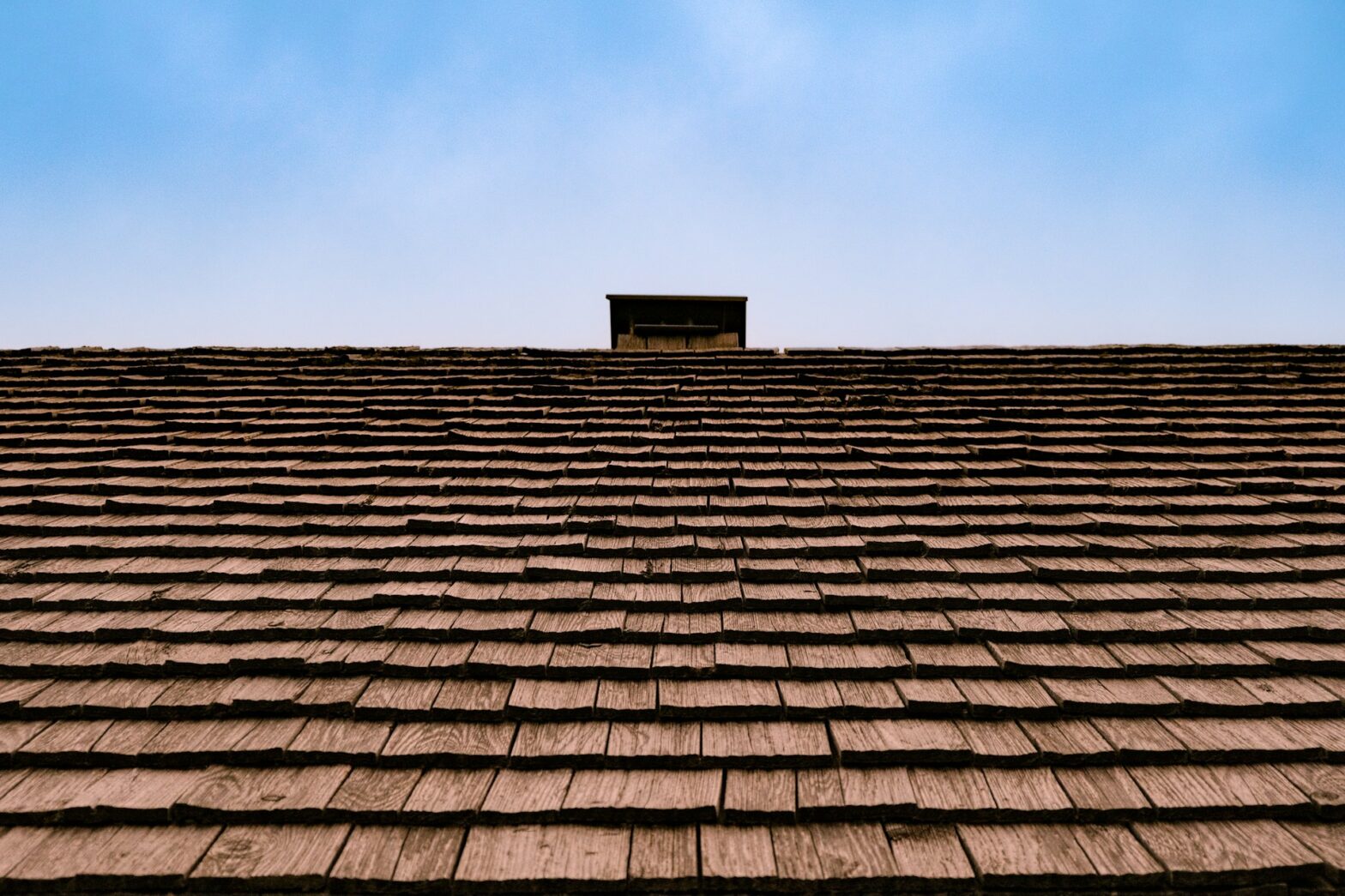
Not every inspection is the same, and a quick visual from the street is not what you are looking for. A thorough inspection should include the roof surface, the flashing around chimneys and skylights, the soffit and fascia, access to the attic, and the gutters, where applicable.
The inspector should be checking for granule loss on shingles, signs of moisture intrusion, improper ventilation and any areas where the deck may have softened underneath. Everything should be documented with photos. When the report comes back, it should tell you what is in good shape, what needs monitoring and what needs attention now.
Vague language without photos or measurements is a red flag. A detailed report gives you something concrete to act on, whether you are planning repairs, preparing for hurricane season or documenting damage after a storm.
What to Look For in a Local Inspector
Licensing and insurance are baseline requirements, but they are not the full picture of what you need. Look for contractors with a real track record in your specific part of Florida. An entity that has been operating in Central Florida for years will understand local building codes, the particular demands of Florida weather and how the process works when damage needs to be documented. That local knowledge matters beyond the inspection itself.
Manufacturer certifications carry weight, too. Contractors who hold designations like Owens Corning Platinum Preferred have met specific standards around training, installation quality and customer service. Only about 1% nationwide reach that tier, so it is a meaningful distinction rather than simply a marketing label.
Ask whether the business uses its own trained crews or subcontracts the work. Ask to see the inspection report before you commit.
You should also pay attention to how it communicates from the first phone call. If it is hard to reach before you are a customer, that pattern tends to continue.
A Note on Orlando’s Door-to-Door Problem
If you have lived in Central Florida for any length of time, you have probably had someone knock on your door after a storm offering a free inspection. Some of these are legitimate, but many are not.
A common tactic involves steering homeowners toward third-party legal arrangements that pursue insurance claims on their behalf. The pitch can sound appealing, but outcomes are often poor, and homeowners can end up responsible for costs they were not expecting.
Reputable local contractors do not need to knock. They earn business through referrals and long-term community presence. If someone shows up uninvited with a clipboard and an urgent pitch, take your time before signing anything.
Batterbee Roofing
Batterbee Roofing has been serving Central Florida since 1993, with more than 50,000 customers across the region. As an Owens Corning Platinum Preferred Contractor, it is one of the few firms equipped to work on roofs affected by named storms.
Its team handles residential inspections, repairs, replacements and skylight installation. If you are in The Villages or the surrounding counties, you can visit the office and warehouse in person. To get started, request a quote online or call Batterbee Roofing directly.
FAQS
If you are still looking for a few answers to your burning questions, you might find them here.
How much does a roof inspection cost in Orlando?
Many reputable contractors offer free or low-cost inspections. Some charge a small fee that may be credited toward any work you commission. Ask up front before booking.
How long does an inspection take?
A residential roof inspection can take between one and two hours, depending on the size and complexity.
How often should I have my roof inspected?
Starting with once a year is a reasonable baseline. After any significant storm, it is worth scheduling an inspection, even if you cannot see visible damage.
Do I need to be home?
Not always, but it helps. Being present gives you a chance to hear the findings directly from the inspector and ask questions while they are still on-site.
Keep Your Roof Over Your Head
A roof inspection is one of those tasks that feels easy to postpone until it suddenly is not. Florida’s storm season has a way of forcing the decision for you, usually at the worst possible moment. Getting ahead of it, finding a licensed local contractor, knowing what the report should include and booking before the rush means you are dealing with information instead of damage. That is a much better place to start.