













By Costel Radescu, Founder and Director of CR Group
When homeowners start thinking about improving their property, the first idea that often comes to mind is an extension. While adding extra square footage can certainly increase a home’s value and functionality, it’s also one of the most expensive, time-consuming, and disruptive renovation projects you can undertake.
The good news is that creating a more beautiful, practical, and valuable home doesn’t always require building outwards. Strategic internal renovations and thoughtful upgrades can transform the way a property looks and feels while delivering an impressive return on investment. Whether you’re planning to stay for years or preparing to sell, these five renovation projects prove that you don’t need an extension to make a significant impact.
1. Modernise Your Kitchen
Often referred to as the heart of the home, the kitchen remains one of the biggest influences on both property value and everyday enjoyment. Fortunately, giving it a fresh new look doesn’t necessarily mean a complete rip-out and replacement.
Simple improvements such as replacing cabinet doors, updating worktops, installing modern splashbacks, and fitting energy-efficient appliances can dramatically enhance both aesthetics and functionality. Swapping outdated lighting for layered LED fixtures and incorporating smart storage solutions can also make even smaller kitchens feel more spacious and organised.
Current trends favour warm neutral tones, natural materials, matte finishes, and minimalist hardware, creating spaces that feel timeless rather than trend-driven. Even modest kitchen renovations often deliver excellent returns because they’re one of the first rooms prospective buyers evaluate.
2. Transform Your Bathroom into a Spa-Like Retreat
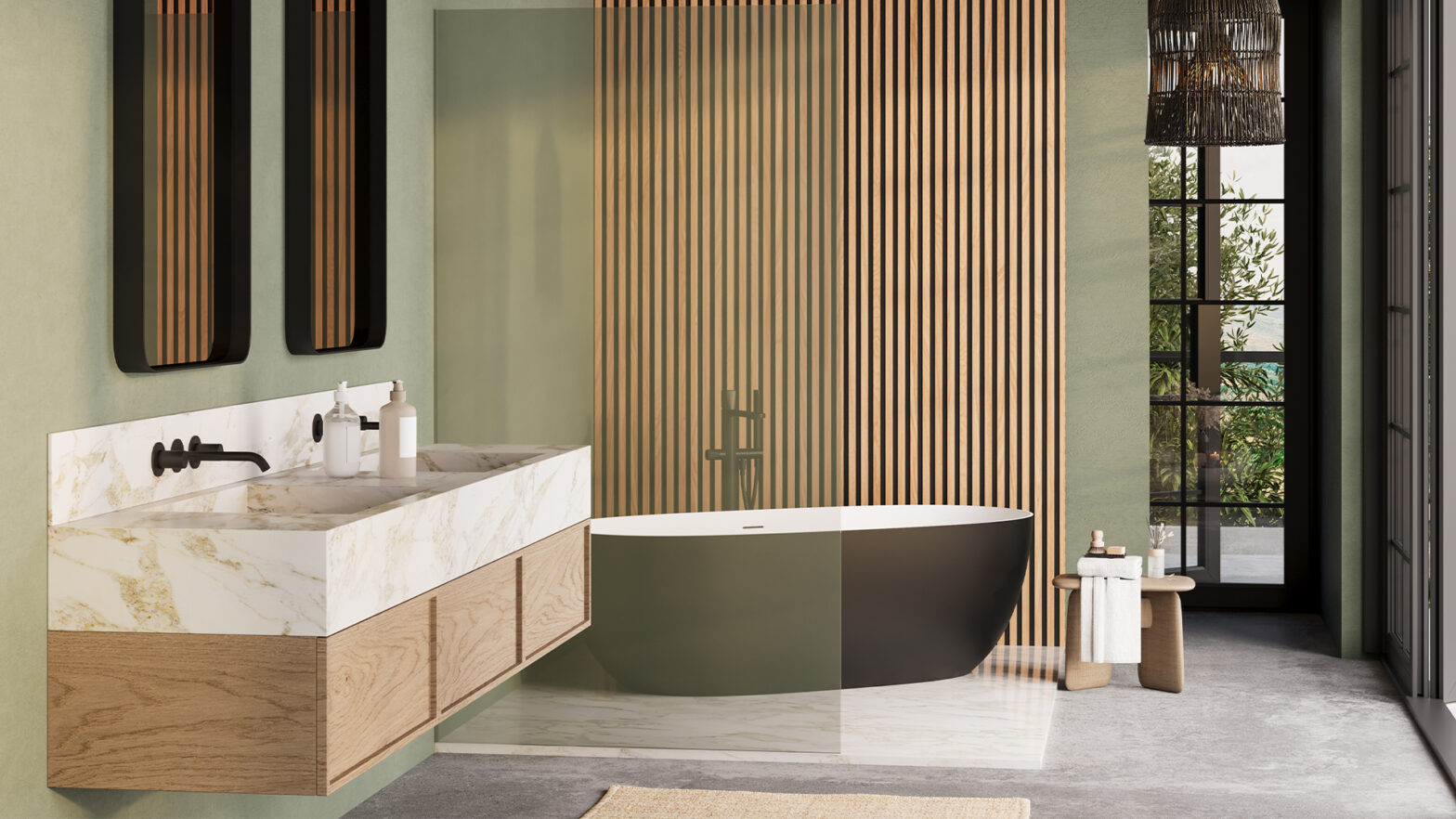
Bathrooms have evolved far beyond purely practical spaces. Today’s homeowners increasingly want bathrooms that offer comfort, relaxation, and a touch of luxury.
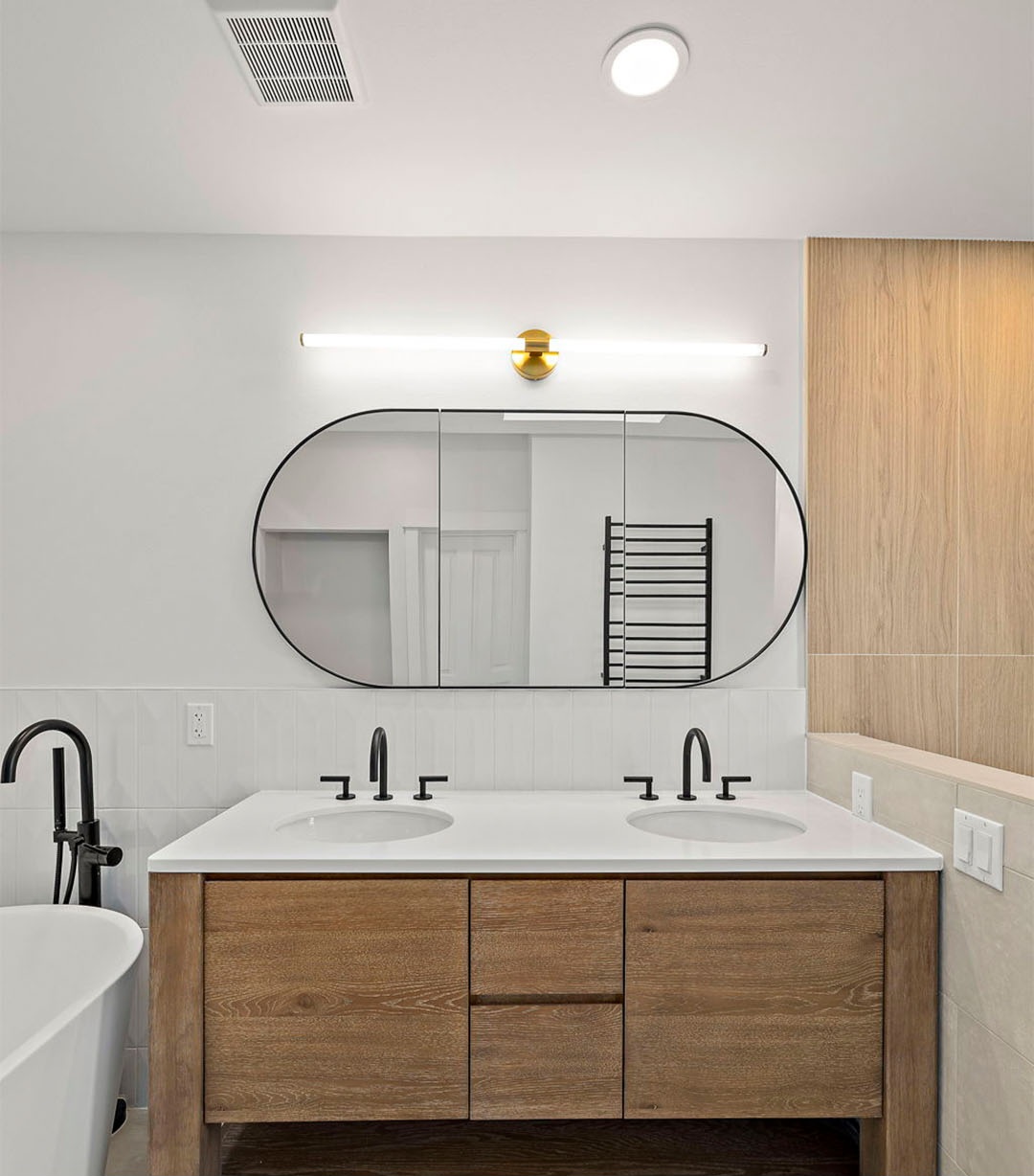
Replacing dated suites with sleek contemporary fixtures, installing walk-in showers, upgrading taps and fittings, and introducing large-format tiles can instantly elevate the room. Illuminated mirrors, recessed storage niches, and rainfall showerheads are relatively affordable additions that create a premium feel.
Don’t underestimate the importance of lighting either. Combining task lighting with softer ambient illumination creates a welcoming atmosphere while improving functionality for daily routines.
Water-efficient toilets, taps, and shower systems also appeal to environmentally conscious homeowners by reducing household utility bills without compromising performance.
3. Improve Energy Efficiency Throughout the Home
Energy efficiency has become one of the most desirable features in modern homes. Rising utility costs and growing environmental awareness mean buyers and homeowners alike are increasingly prioritising upgrades that reduce energy consumption.
Improving insulation in lofts and walls, replacing ageing windows with high-performance double or triple glazing, upgrading external doors, and sealing unwanted draughts all contribute to a warmer, more comfortable property.
Heating systems also deserve attention. Installing a smart thermostat allows homeowners to better manage heating schedules, while replacing an old boiler with a more efficient model can significantly reduce running costs.
Lighting offers another easy win. Switching to LED lighting throughout the home uses considerably less electricity while lasting much longer than traditional bulbs. Combined with improved insulation, these changes can noticeably enhance a property’s Energy Performance Certificate (EPC), making it more attractive to future buyers.
4. Refresh Flooring and Interior Finishes
Sometimes the biggest transformations come from the simplest improvements. Worn carpets, dated wallpaper, chipped paintwork, and tired flooring can make an otherwise attractive property feel neglected.
Replacing old flooring with engineered wood, luxury vinyl tile (LVT), or high-quality laminate creates a cleaner, more contemporary appearance while offering greater durability for busy households. In bathrooms and kitchens, modern porcelain tiles provide a timeless finish that’s both stylish and practical.
A fresh coat of paint remains one of the most cost-effective renovations available. Soft neutrals, earthy colours, and warm whites continue to dominate interior design, helping rooms feel brighter, larger, and more versatile.
Updating internal doors, skirting boards, door handles, and light switches further modernises interiors without requiring major structural work. Individually these improvements may seem minor, but together they create a cohesive, high-quality finish that elevates the entire home.
5. Create Flexible Living Spaces
Modern lifestyles have transformed the way people use their homes. Remote working, hybrid employment, fitness routines, and multi-generational living all demand greater flexibility from existing spaces.
Rather than extending, many homeowners are reimagining underused rooms to better suit changing needs. Spare bedrooms can become productive home offices, unused dining rooms can be converted into family spaces, and lofts can often be adapted for hobbies or storage without requiring full structural conversions.
Built-in cabinetry, bespoke shelving, and clever furniture choices help maximise available space while reducing clutter. Sliding doors, room dividers, and multifunctional furniture allow one room to perform several roles throughout the day.
Creating adaptable interiors not only improves day-to-day living but also broadens a property’s appeal to future buyers who increasingly value flexibility over sheer size.
Renovate Smarter, Not Bigger
While home extensions undoubtedly have their place, they aren’t the only route to creating a better home. In many cases, carefully targeted renovations deliver substantial improvements at a fraction of the cost, with less disruption and shorter project timelines.
By modernising kitchens and bathrooms, improving energy efficiency, refreshing finishes, and making better use of existing space, homeowners can dramatically enhance comfort, functionality, and resale value without altering the property’s footprint.
Ultimately, successful renovation isn’t simply about adding more square metres, it’s about making every square metre work harder. Thoughtful upgrades that improve everyday living while future-proofing the home are often the smartest investment of all, proving that bigger isn’t always better.