



















Communities across the country are placing greater emphasis on maintaining existing infrastructure in ways that balance performance, cost and environmental responsibility. Rather than relying solely on complete replacements, many municipalities, businesses and property owners are embracing smarter maintenance strategies that reduce waste, conserve resources and extend the lifespan of paved surfaces.
These evolving practices are helping create more resilient infrastructure while minimizing long-term disruptions and expenses. This post examines extending the life of existing infrastructure, recycling materials for better results and more.
Extending the Life of Existing Infrastructure
One of the most effective sustainability strategies is preserving what already exists. Timely maintenance allows pavements systems to remain functional for longer, reducing the need for large-scale reconstruction projects that consume significant materials and energy.
Routine inspections, preventative repairs and surface restoration help address minor deterioration before it develops into major structural damage. This proactive approach saves money and decreases the environmental impact associated with manufacturing and transporting new construction materials.
Recycling Materials for Better Results
Modern construction increasingly emphasizes material reuse. Reclaimed asphalt pavement can often be processed and incorporated into new paving projects, reducing landfill waste while lowering the demand for virgin aggregates and asphalt binder.
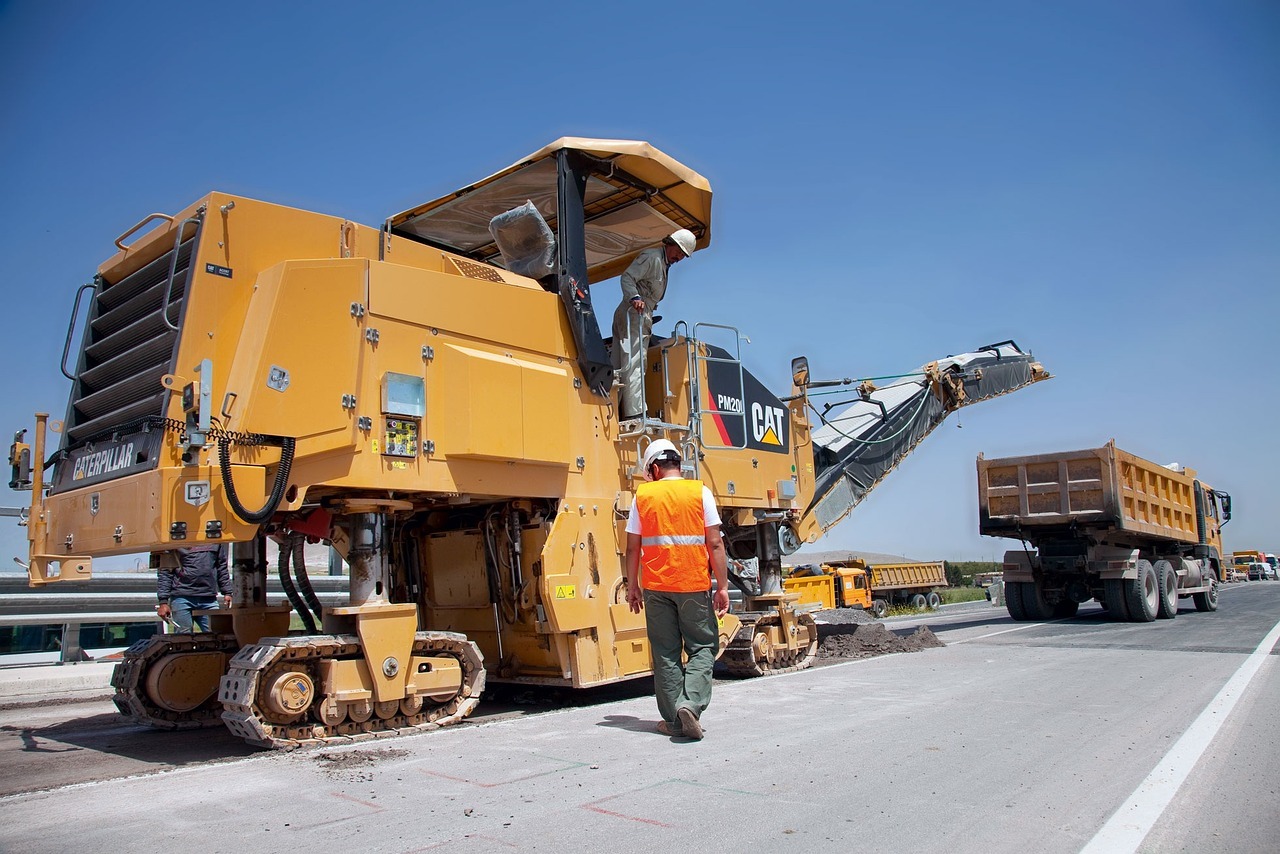
Many contractors utilize an asphalt milling service to remove worn pavement layers while preserving the underlying structure whenever possible. This process creates reusable material that supports sustainable construction goals and helps improve project efficiency. In rapidly growing communities, these methods have become valuable tools for maintaining transportation networks while minimizing environmental impact.
Reducing Construction Waste and Emissions
Sustainable maintenance extends beyond recycling. Efficient project planning helps reduce fuel consumption, unnecessary equipment usage and transportation costs. Contractors also benefit from modern machinery designed to improve precision while lowering emissions.
By limiting the amount of material removed and replacing only what is necessary, maintenance projects generate less waste and require fewer natural resources. These efficiencies contribute to cleaner job sites and more environmentally responsible construction practices.
Improving Safety and Long-Term Performance
Sustainability and safety go hand in hand. Well-maintained roads and parking areas provide smoother driving surfaces, improve drainage and reduce hazards caused by cracks, potholes or uneven pavement.
Infrastructure maintained through strategic preservation techniques typically experience fewer emergency repairs, resulting in less disruption for business, commuters and local residents. This long-term approach also helps municipalities better manage maintenance budgets while improving overall public safety.
Supporting Stronger Communities
Sustainable infrastructure investments benefit entire communities by creating reliable transportation systems that support economic growth. Businesses depend on accessible parking areas, efficient roadways and dependable logistics networks to serve customers and operate effectively.
As cities throughout the globe continue to expand, environmentally conscious maintenance strategies allow public agencies and private organizations to meet increasing demands without placing unnecessary strain on natural resources.
Final Thoughts
Sustainable construction continues to reshape the way infrastructure is maintained by encouraging thoughtful planning, responsible resource management and innovative engineering solutions. As technologies evolve and environmental priorities grow, these practices will remain an essential part of building reliable, efficient and resilient infrastructure for future generations.
Continued collaboration between public agencies, private contractors and industry innovators will further accelerate the adoption of environmentally responsible maintenance methods. By investing in forward-thinking solutions today, communities can reduce long-term costs while preserving critical infrastructure for years to come.