



















Pest management has changed significantly over the past generation. EcoShield Pest Solutions has built its service model around that change.
Rather than treating pest control as a matter of applying products on a schedule, the company approaches each property as its own situation.
The goal is always to resolve the specific pest pressure the customer is dealing with through a combination of:
- Inspection
- Identification
- Exclusion
- Targeted treatment
- And follow-up.
That approach is the operational foundation of how EcoShield delivers service across its 56 branches in 37 markets.
It is also what distinguishes the company’s work from the older, more product-driven approach that defined the industry for much of its history.
Inspection comes first
Every EcoShield service begins with an inspection. The technician walks the property, identifies what pests are present, looks for the conditions that are attracting or supporting those pests, and develops a treatment plan based on what is actually happening on that specific property.
This approach is the foundation of integrated pest management, the framework that has become the standard for professional pest control over the past two decades.
Inspection-first service has practical implications for customers. It means the technician’s recommendations are grounded in what they observed at the property rather than a default treatment protocol.
It also means the customer learns something about the conditions on their property that may be contributing to the issue.
That educational component is one of the things customers consistently mention when describing what made the service experience valuable.
Exclusion
Exclusion is an important part of modern pest management. During inspections, EcoShield technicians look for conditions that may allow pests to enter or thrive on a property.
Gaps around entry points, damaged seals, or areas that provide shelter or harborage for pests are repaired or eliminated.
By identifying and addressing these conditions, technicians can help reduce pest pressure at its source which provides long-term preventative results.
Solving the underlying causes of pest activity rather than relying solely on treatment is a key component in integrated pest management.
Targeted treatment
Once the inspection is complete, EcoShield technicians apply treatments that are matched to:
- The pest
- The location
- And the property’s specific situation.
Treatment selection considers what is being targeted, where treatments will be most effective, and how to use the right approach for the issue. That precision is a defining feature of how the modern pest management industry has evolved.
This is also where technician training matters most. A trained technician understands all of the potential variables that can be in play during a pest situation.
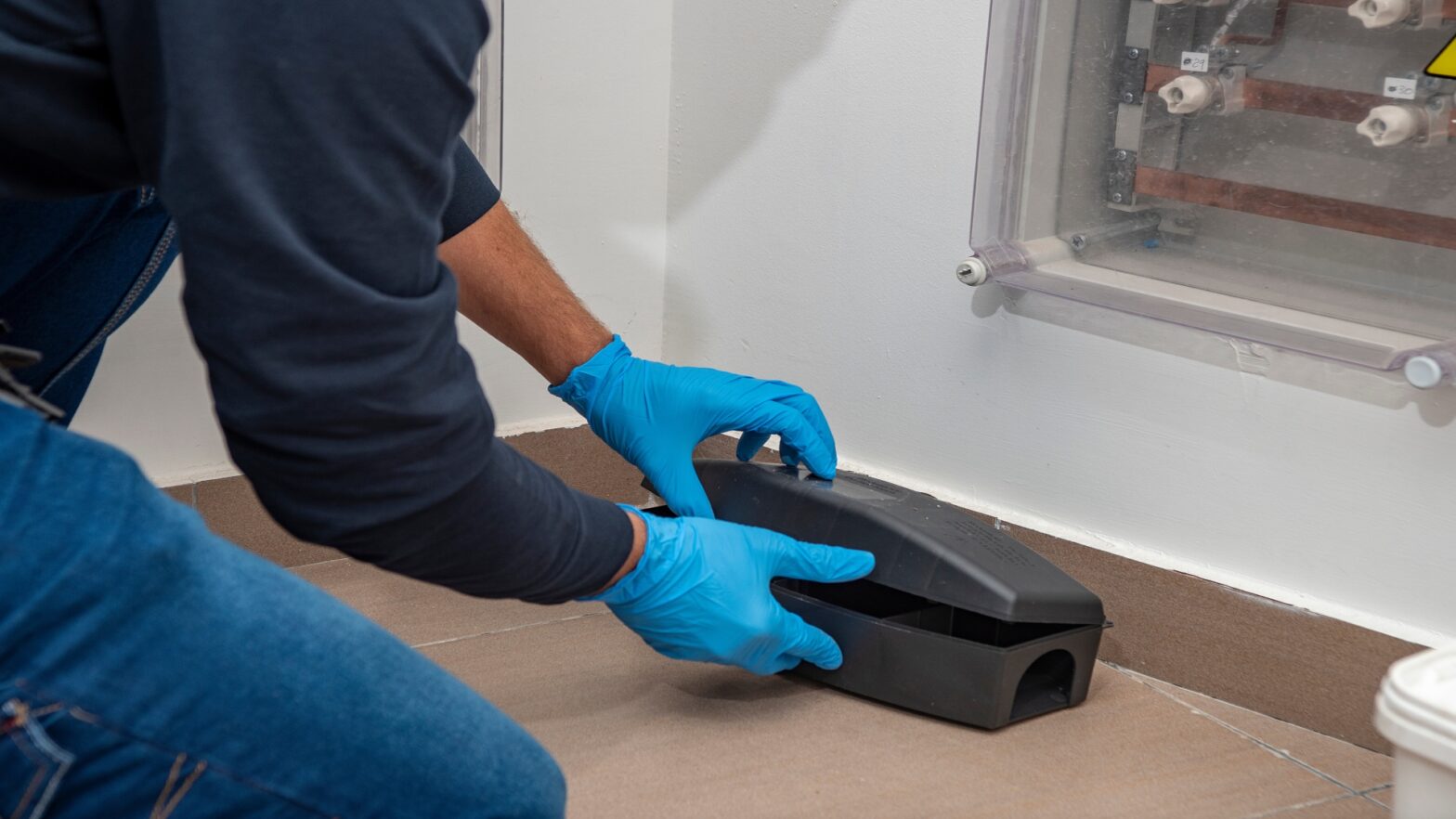
Some ant species respond well to baiting. Others require a different approach. Some homeowners experience rodents through interior nesting. Others, from outside pressure.
EcoShield’s investment in training is intended to make sure those judgments are made well in the field.
Follow-up and recurring service
Pest pressures change with the seasons, with property conditions, and with what is happening in the surrounding environment.
EcoShield’s recurring service plans are built around that reality, scheduling visits across the year so that emerging issues are identified before they become serious problems.
Customers on recurring plans typically work with the same branch over time, which means the company develops a longitudinal understanding of the property and can adjust treatments as conditions change.
That ongoing relationship is where pest control becomes a sustained practice rather than a one-time fix. It is also where EcoShield’s branch model pays its dividends, since the customer is not starting over with a new provider every visit and the technician is not walking onto an unfamiliar property each time.
What modern pest management means in practice
EcoShield’s approach to pest management is built for long-term pest prevention control. It is not about applying the same treatment to every property, but about understanding what is happening at this property, in this season, and doing the work to resolve it.
That orientation is the modern way the industry operates at its best, and it is the standard the company is built to deliver across every market it serves.