




















Construction site theft remains a persistent and costly problem. In the UK alone, the sector loses hundreds of millions of pounds each year to stolen tools, plant and materials. For many contractors, the impact of this is felt not just in replacement costs, but in project delays, hire expenses, insurance complications and lost productivity.
There’s no one single solution that eliminates theft risk; rather, the most effective approach is a layered one, which involves combining physical security, operational discipline, and technology to deter opportunistic crime, detect incidents early, and support faster recovery when theft does occur.
Start with the basics: site security and storage
Physical security remains the first line of defence. A well-secured site makes theft more difficult, more time-consuming, and more visible, which can be enough to deter many opportunistic thieves.
Key measures should include:
- Secure perimeter fencing. A robust, continuous fence around the full site boundary, with locked gates and minimal access points, is essential. Anti-climb features and reinforced sections around high-value areas add further protection.
- Controlled access. Restricting entry to authorised personnel, recording deliveries and visitors, and ensuring gates are locked during breaks and after hours reduces the risk of unauthorised removal of equipment.
- Lighting. Well-lit sites, particularly around compound areas, storage containers and high-value plant, make it harder for thieves to operate unseen. Motion-activated lighting can be especially effective in vulnerable zones.
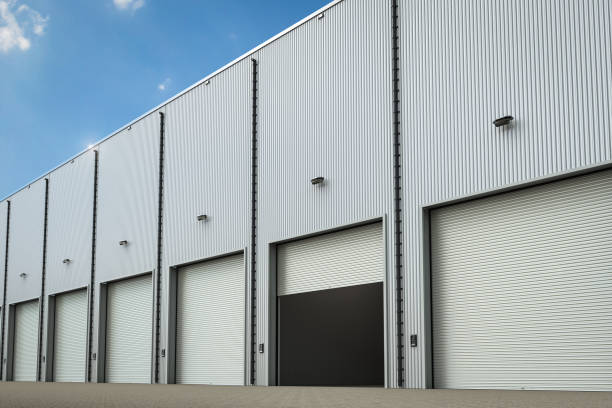
- Secure storage. High-value tools and portable equipment should be stored in locked buildings or steel containers with high-security locks, rather than left in vans or beside fences. Valuable items should be kept out of sight and away from the perimeter.
These measures don’t necessarily require sophisticated technology, but they do require consistency and regular review.
Remove keys and immobilise plant
One of the simplest yet most effective steps is to remove ignition keys from all vehicles and plant whenever they’re unattended. Store keys in a controlled location, such as a key safe with a sign-out procedure, and do not leave them in site offices or vehicles.
Ideally, manufacturers’ security features, immobilisers, alarms and locking devices should be used wherever possible. Additional measures such as wheel locks, hidden fuel shut-offs or kill switches can also help turn what might have been a quick theft into a much more difficult and time-consuming operation, thus acting as a further deterrent.
Maintain a clear asset register
A clear, up-to-date record of equipment is essential for both day-to-day management and responding to theft. An asset register should include:
- Equipment type, make, model, and serial number
- Photographs and any unique identifying marks
- Location and assigned site or user
- Purchase date and value
- Any tracking devices, security markings or registration schemes.
This information supports faster reporting to police and insurers, and makes it easier to prove ownership if stolen items are recovered. Registration schemes such as CESAR (Construction Equipment Security and Registration) can also help deter theft and aid identification.
Use marking and forensic identification
Marking tools and equipment with company details can act as both a deterrent and an aid to recovery. Options include:
- Permanent engraving or etching of company names or postcodes
- Forensic marking systems that link items to the business and can be used as evidence
- Visible signage indicating that assets are marked and registered.
While marking does not guarantee that items will not be stolen, it can make them less attractive to thieves and easier to identify if they reappear on the market or are found by police.
Implement issue-and-return processes
On busy sites, it’s easy for tools and small equipment to drift between teams, vehicles, and storage areas. A simple issue-and-return system helps ensure that missing items are noticed quickly.
This might involve:
- Assigning a supervisor to track key tools and equipment at the start and end of each shift
- Using sign-in/sign-out logs for high-value portable items
- Conducting regular checks of tool stores, containers, and vehicles.
These processes also create accountability. When workers know that equipment is actively managed, they’re often more likely to treat it carefully and report concerns.
Deploy CCTV and monitored surveillance
CCTV and surveillance systems can provide both a visible deterrent and valuable evidence if theft occurs. Modern systems might include:
- Fixed cameras covering compound areas, gates and storage zones
- Mobile or solar-powered surveillance units for remote or temporary sites
- Monitored systems that trigger alerts and can communicate with intruders in real time.
For high-value phases of a project, such as fit-out, M&E installation, or periods when expensive plant is on site, static guards or mobile patrols can add another layer of protection, particularly during night-time hours.
Use GPS tracking and geofencing
GPS tracking doesn’t prevent theft on its own, but it plays a critical role in recovery and in creating an active security architecture.
When combined with geofencing and alerting, asset tracking can notify managers the moment an asset moves outside an authorised area, even while the theft is still in progress.
Key considerations for construction equipment tracking include:
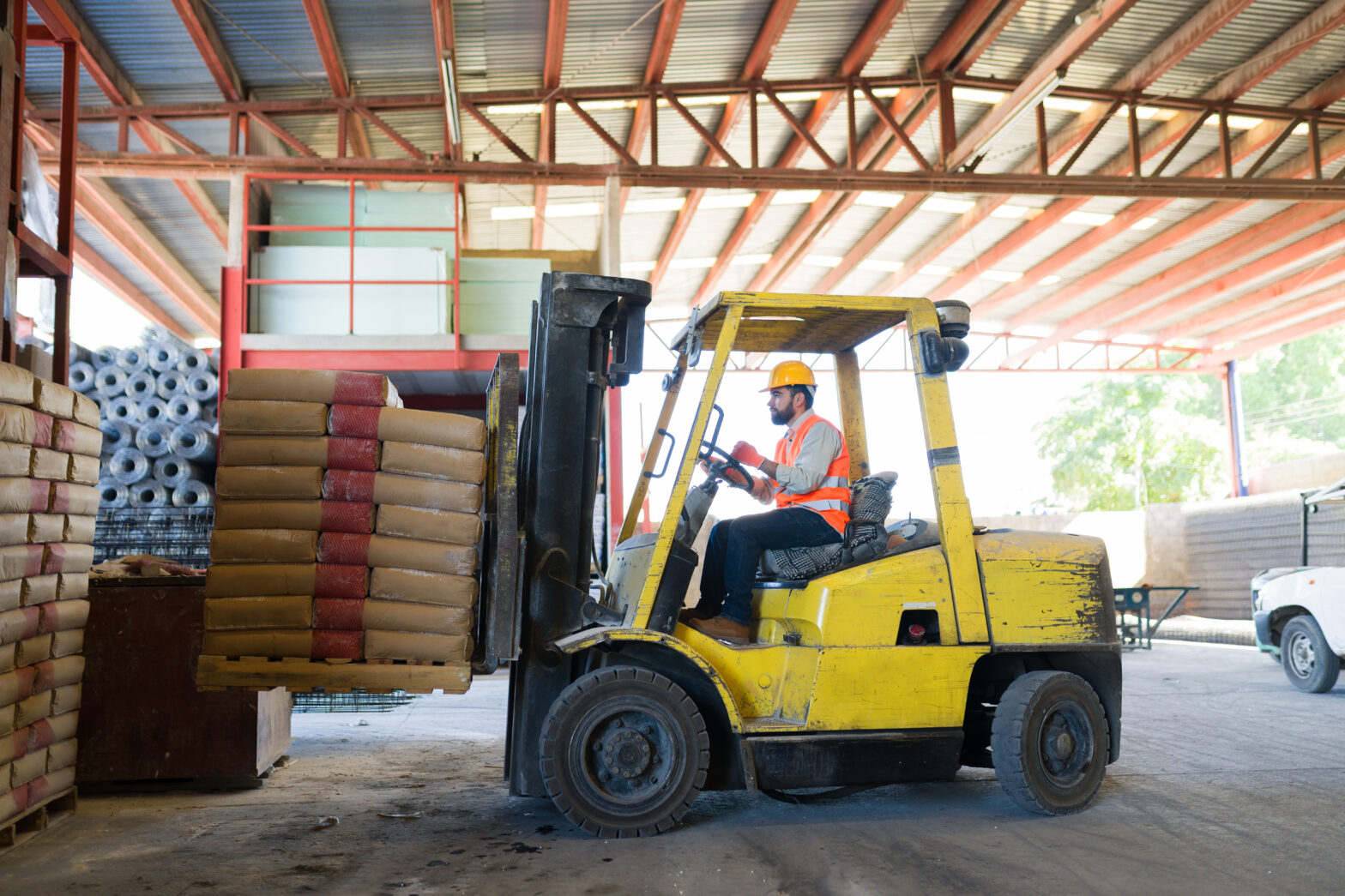
- Coverage of high-value assets. Prioritise plant, trailers, generators, compressors and other items that are attractive to thieves and disruptive to lose.
- Tamper and movement alerts. Devices that report immediately when they’re moved, especially outside working hours, provide the best chance of rapid response.
- Battery life and durability. Trackers should be suitable for the operating environment, with sufficient battery life to remain active even if the equipment is left idle.
- Covert and visible devices. A combination of hidden trackers and visible deterrents can complicate thieves’ efforts to locate and disable all tracking on an asset.
Recovery rates for tracked equipment are significantly higher than for untracked assets, and many insurers now expect or require tracking on higher-value plant and vehicles.
Train workers and embed security in site culture
Technology and physical controls are only as effective as the people using them. Security should be included in site inductions and toolbox talks, with clear expectations around:
- Locking gates and storage at the end of each shift
- Removing keys and immobilising plant
- Reporting suspicious activity or unauthorised visitors
- Following issue-and-return procedures for tools and equipment.
Workers are often the first to notice something unusual on site. Encouraging a culture where security is seen as everyone’s responsibility can significantly reduce risk.
Prepare for the worst: incident response planning
Even with strong controls, theft can still happen. Having a clear response plan in place helps minimise disruption and supports faster recovery.
A practical plan should include:
- Immediate steps to confirm the loss and review tracking or camera data
- Contact details for police, insurers and any recovery services
- A process for preserving evidence, such as serial numbers, photographs and movement history
- Internal communication procedures to inform relevant teams and customers
Businesses that can demonstrate robust asset management and a clear response process are often in a stronger position when dealing with insurers and authorities.
A layered approach to protection
No single measure will stop all theft, but a layered approach can significantly reduce risk. By combining various measures such as securing perimeters, controlling access, having a strong worker engagement policy, and implementing tracking, construction companies can make their sites less attractive targets and improve their chances of recovering stolen items quickly.
For contractors managing multiple sites and valuable equipment, that combination of physical security and operational visibility is increasingly essential—not just to protect assets, but also projects, margins, and client confidence.