










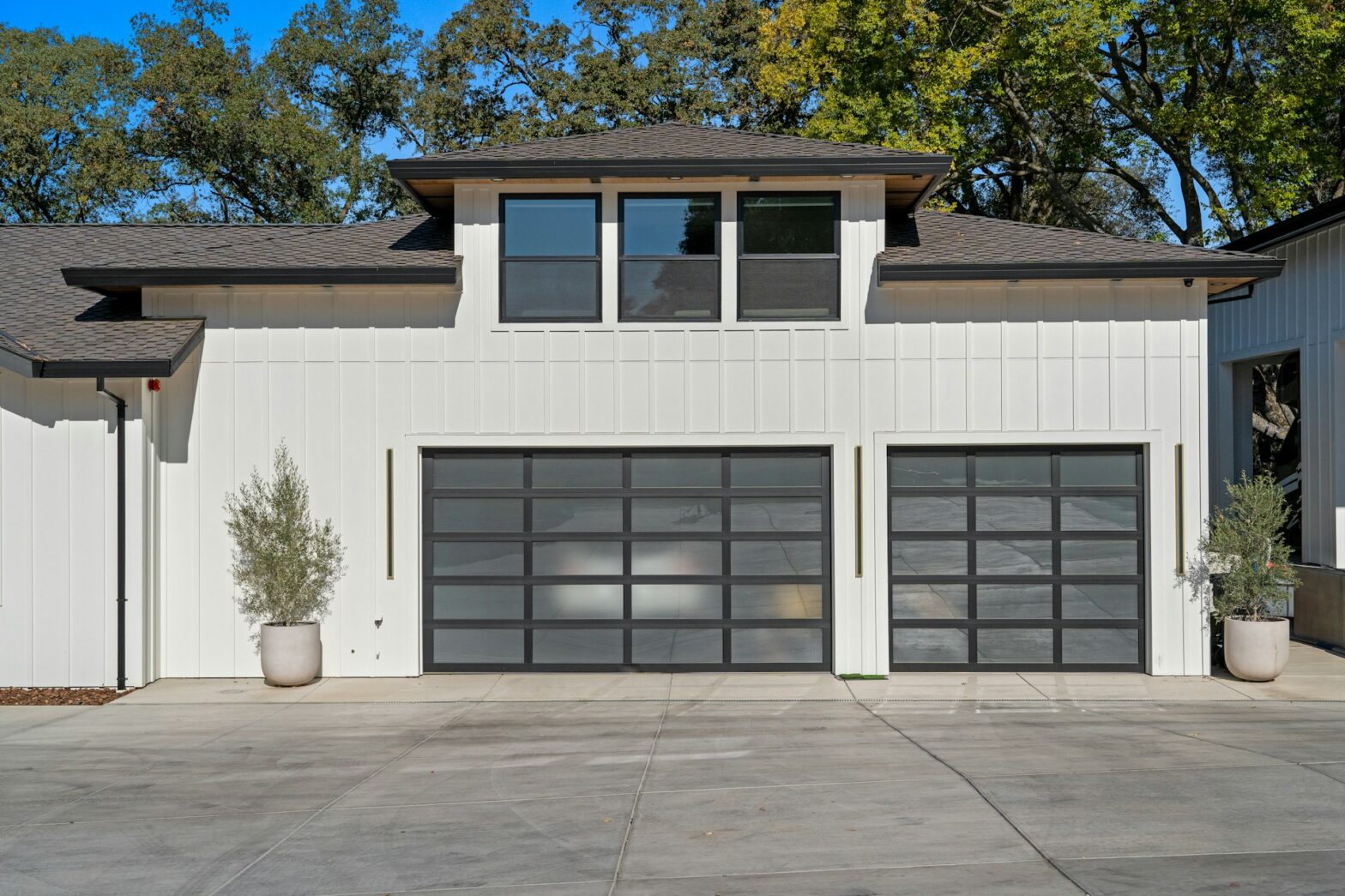











A garage door opener is never completely silent, but a noticeable increase in noise usually indicates a problem that warrants attention. The sound itself can provide useful clues and help you narrow down the cause before it develops into a more costly repair. From grinding and rattling to humming and squeaking, each type of noise may indicate a different issue.
Here’s how you can troubleshoot a garage door opener that’s louder than usual, what the most common sounds mean and when it’s time to call a professional.
Identifying Where the Noise Is Coming From
Before trying to fix the problem, determine where the noise is coming from. Your garage door system includes the opener, tracks, rollers, hinges, springs and other moving parts, so the sound may not always originate from the opener itself.
Listen to your garage door as it opens and closes. Pay attention to when the noise occurs and where it seems loudest. A grinding sound near the motor can suggest a problem other than a squeak from the rollers or hinges. If you can safely observe the system during operation, look for any component that appears to vibrate, stick or move unevenly.
What Common Garage Door Noises Mean and How to Fix Them
Once you’ve identified where the noise is coming from, the next step is understanding what that sound may be telling you.
Grinding or Scraping
Grinding or scraping noises typically indicate excessive friction or worn components. Common causes include worn drive gears inside the opener, damaged rollers or tracks that have shifted out of alignment. Dirt and debris can also create scraping sounds if they interfere with moving parts.
Consider inspecting the tracks for visible obstructions and checking the rollers for signs of wear or damage. If the grinding appears to come from inside the opener housing, the internal gears or motor may require professional service.
Squeaking or Screeching
High-pitched squeaks or screeching noises usually point to components that need lubrication. Hinges, rollers and bearings naturally experience friction over time, especially after exposure to dust, dirt and changing temperatures.
Apply a garage door lubricant to the recommended moving parts according to the manufacturer’s maintenance guidelines. If the noise persists after lubrication, you may need to replace worn rollers or bearings.
Rattling or Vibrating
If your garage door opener rattles or vibrates more than usual, loose hardware is a common culprit. Regular use can gradually loosen bolts, brackets and fasteners throughout the system.
Inspect any visible mounting hardware and tighten loose fasteners if you can do so safely. You should also check whether the opener is securely attached to the ceiling and whether the rail remains properly aligned.
Banging or Popping
A loud bang or popping sound deserves immediate attention. Your garage door may be binding as it moves, or the springs may no longer be operating correctly. Temperature changes can cause some materials to expand and contract as well, creating occasional popping noises.
Never attempt to repair or adjust springs yourself. A study found that DIY attempts to repair dislodged springs can cause severe eye injuries, with some patients experiencing permanent vision loss. Spring repairs should always be left to a qualified technician.
Clicking or Humming Without Movement
If your opener clicks or hums but the garage door doesn’t move, the motor may be receiving power without completing the opening cycle. This can happen when something blocks the door’s path, the safety sensors are misaligned or the travel limit settings need adjustment.
Check that nothing is obstructing the door and confirm the safety sensors are clean and properly aligned. If the opener continues humming without moving the door, the motor or other internal components may need professional service.
When It’s Time to Call a Professional
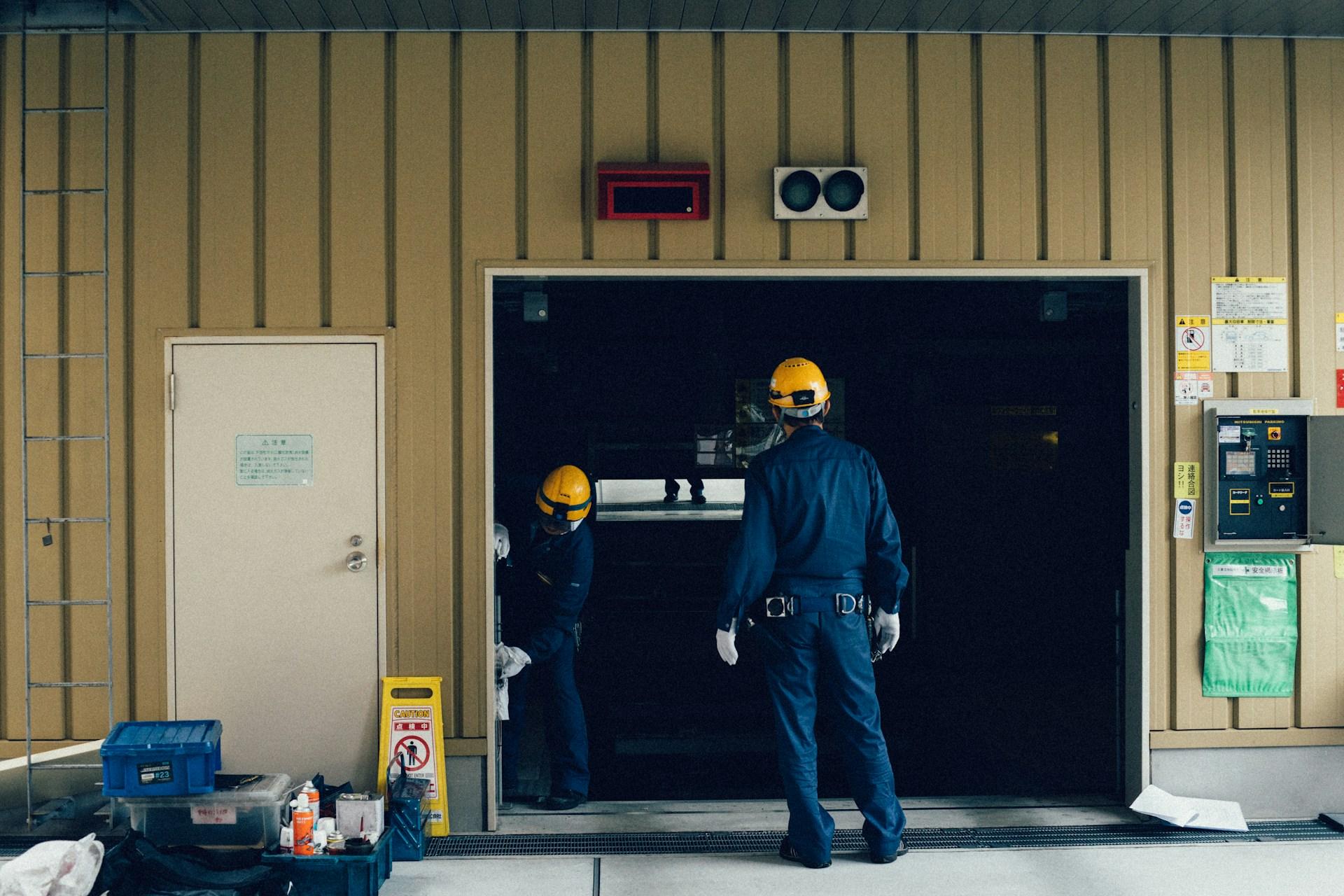
You can resolve some common garage door opener noises through routine maintenance, but some problems require professional diagnosis. If grinding continues after you’ve inspected the system, loud banging or popping persists, the opener struggles to move the door, or you notice damaged springs, cables or opener components, it’s time to stop using the system until it has been inspected. Addressing these issues early can help prevent further damage and the need for more extensive repairs.
If you need professional assistance, LiftMaster with Clopay offers support for garage door opener concerns through its network of authorized LiftMaster dealers. These trained professionals specialize in garage door openers and can diagnose issues that DIY troubleshooting cannot resolve, including faulty opener motors, misaligned safety sensors, movement limit issues and control problems.
When repairs are no longer the most practical solution, they can also recommend a LiftMaster garage door opener with features such as built-in myQ® Wi-Fi connectivity, battery backup and integrated LED lighting.
Frequently Asked Questions
The following questions recap the most common troubleshooting concerns covered in this guide.
Why has the garage door opener suddenly become louder?
A sudden increase in noise can result from loose hardware, worn rollers, insufficient lubrication, an unbalanced garage door or worn components inside the opener.
Can lubrication reduce garage door opener noise?
Yes. Lubricating hinges, rollers and bearings according to the manufacturer’s recommendations can reduce friction and eliminate many squeaking noises.
When should I call a professional for a noisy garage door opener?
You should contact a professional if the noise continues after basic maintenance, your opener struggles to move the door, springs or cables appear damaged, or the door behaves unpredictably during operation.
Closing Time
A garage door opener that becomes louder than usual provides an early warning that maintenance or repairs are needed. Identifying the type of noise, inspecting key components and performing routine maintenance can resolve many common issues before they become more serious. If unusual sounds persist or involve critical components, professional service can help restore safe, reliable operation and prevent additional damage.