







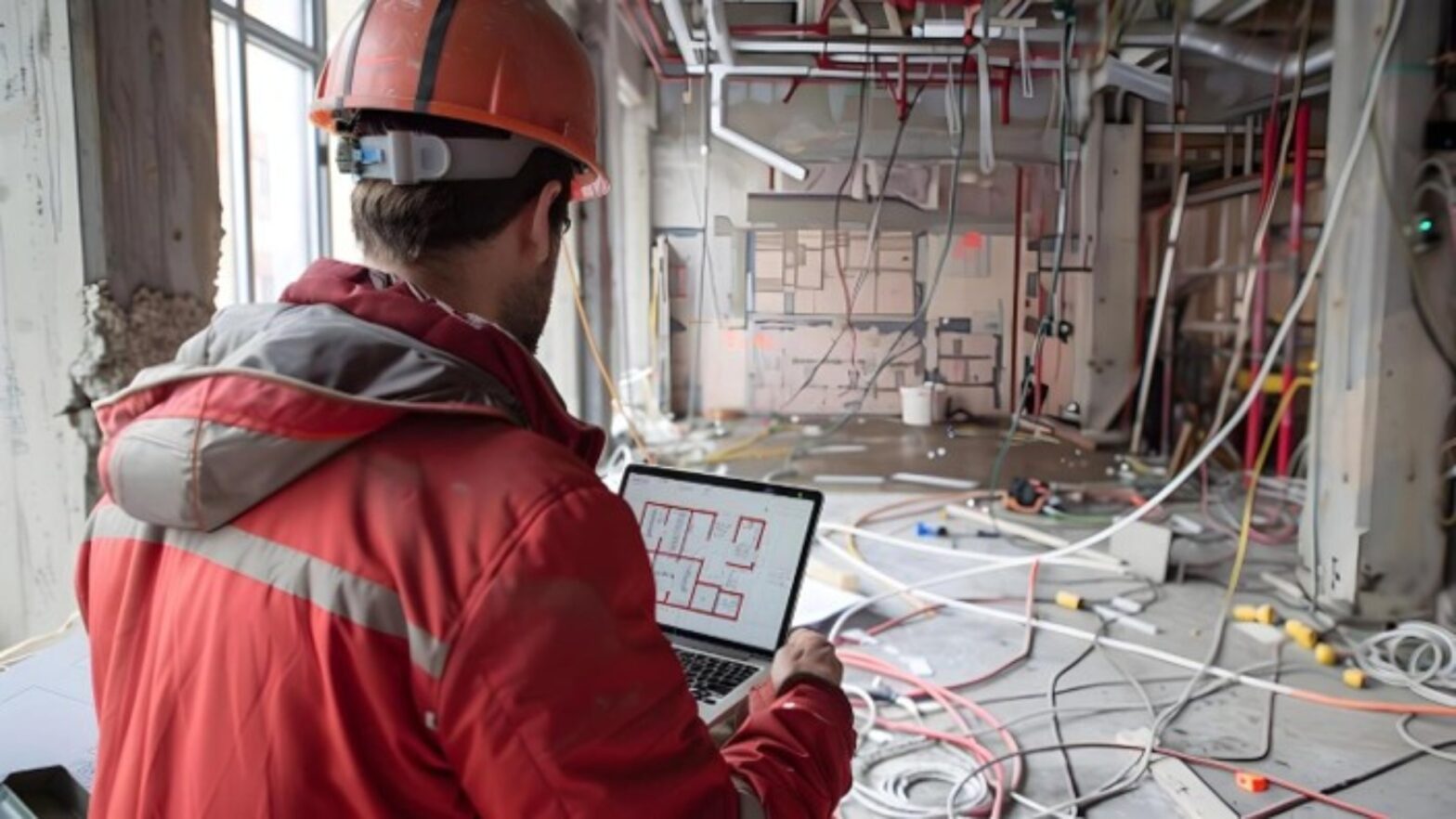











Building and renovation projects carry risks that experienced contractors manage through planning, sequencing, and clear protocols. Electrical risks belong in a specific category because they can develop suddenly, are not always visually obvious before they become serious, and require licensed professionals to address properly. Understanding what constitutes an electrical emergency on a building site, and knowing what the response should look like, reduces the chance that a manageable situation becomes a significantly worse one.
Queensland’s building industry works within a regulatory environment that takes electrical safety seriously. That framework exists because the consequences of electrical failures on sites, whether active construction or existing properties undergoing renovation, range from equipment damage through to serious injury and fire. The response protocols that follow from that framework are worth understanding before work begins, not after something goes wrong.
What Qualifies as an Electrical Emergency on a Building Site
Not every electrical problem on a building site is an emergency, but some situations require immediate action. These include sparking or arcing, unexplained burning smells, electric shocks, repeatedly tripping circuit breakers, and water coming into contact with electrical systems.
Partial power loss may indicate a circuit fault, particularly when the switchboard appears normal. Damaged cables also require immediate attention, especially on active sites where machinery and power tools are in use. Affected circuits should be isolated until a qualified electrician can assess the problem.
Renovations of older buildings present additional risks. Opening walls or ceilings can reveal outdated wiring, unsafe junction boxes or previous unlicensed electrical work. Work around these systems should stop until a professional has assessed the potential hazards.
Immediate Steps When Something Goes Wrong
The first priority in any electrical emergency is isolation, which means switching off power to the affected area at the switchboard before anything else happens. If the switchboard itself is the source of the problem, or if access to it is not safely possible, the main supply disconnect is the next option. The specific location of both should be part of every site’s initial orientation for anyone working on it.
No one should approach a person who may still be in contact with a live electrical source. Disconnecting the power first is the correct action. Calling emergency services follows immediately where there is any person injury, fire, or a situation that cannot be safely isolated.
For situations that do not involve immediate injury but where a fault condition is clearly present, the area should be isolated and kept clear until a licensed electrician has assessed and cleared it. This applies even where the fault seems minor. A repeatedly tripping circuit, for example, indicates a fault condition rather than a nuisance trip, and continuing to reset the breaker without identifying the cause is not a safe workaround.
Calling the Right Professional
Most contractors working on established sites keep contacts for emergency electrical services on the Gold Coast for exactly these situations, because waiting for a fault condition to be assessed the following morning is not always a viable approach when active work depends on electrical access or where a safety hazard needs to be resolved before the site is safe to continue on.
A contractor providing emergency electrical services on the Gold Coast can respond to building and renovation sites across the region, assess fault conditions correctly, and restore safe operation or provide the documentation needed to understand what work is required before work continues. The distinction between a licensed electrician and other site workers who may have practical familiarity with electrical systems is not a formality in this context; only licensed electricians can certify that a fault has been correctly resolved and that the system is safe to operate.
For building sites under construction, the principal contractor has obligations regarding electrical safety that include ensuring any fault conditions are addressed by appropriately licensed trades rather than managed informally. Insurance and liability considerations follow from whether the correct professional was engaged when something went wrong.
Prevention During Active Builds
Most electrical emergencies on building sites are preventable through straightforward practices that experienced contractors already follow. All temporary power boards and leads used on site should be tested and tagged according to the relevant Australian standard, with testing intervals appropriate for construction environments where equipment is subjected to more demanding conditions than general workplaces. Safety switches covering all temporary electrical supply should be confirmed as functional before work begins each day.
Power leads running across areas where vehicle movement or heavy equipment operation occurs should be elevated or protected rather than run along the ground where damage is likely. This is not primarily about protecting the lead itself but about the fault condition that a damaged insulated conductor creates.
Queensland’s Electrical Safety Framework
The Electrical Safety Office Queensland is the regulatory body responsible for electrical safety across the state, including on building and renovation sites. The Electrical Safety Act 2002 and its associated regulations establish the legal requirements for electrical safety management, including the obligations on principal contractors and building owners with respect to electrical hazards on their sites.
Contractors working in Queensland who are not already familiar with these obligations should review the relevant guidance available through the Electrical Safety Office, particularly as it relates to testing and tagging requirements, safety switch obligations, and the circumstances in which electrical work must be performed by and certified by a licensed electrician. The framework is not onerous for sites that already follow sound safety practice, but understanding it clearly removes any ambiguity about what the correct response to a fault condition should be.
Building and renovation work involves enough complexity without introducing avoidable electrical risk into the mix. Knowing the protocols before they are needed is straightforwardly cheaper and safer than learning them under pressure.