





















Most people who haven’t switched electricity suppliers assume the process involves technician visits, service interruptions, or new equipment. None of that is accurate.
Switching suppliers changes one thing on your electricity bill: the per-kWh supply rate. Your local utility still delivers power through the same wires, still handles outages, and still sends you one monthly bill.
Arbor, an automated energy-switching platform founded in 2022 and operating across deregulated electricity states, processes supplier switches for over 100,000 households. Every switch follows the same steps regardless of state or utility.
Your utility still delivers the electricity
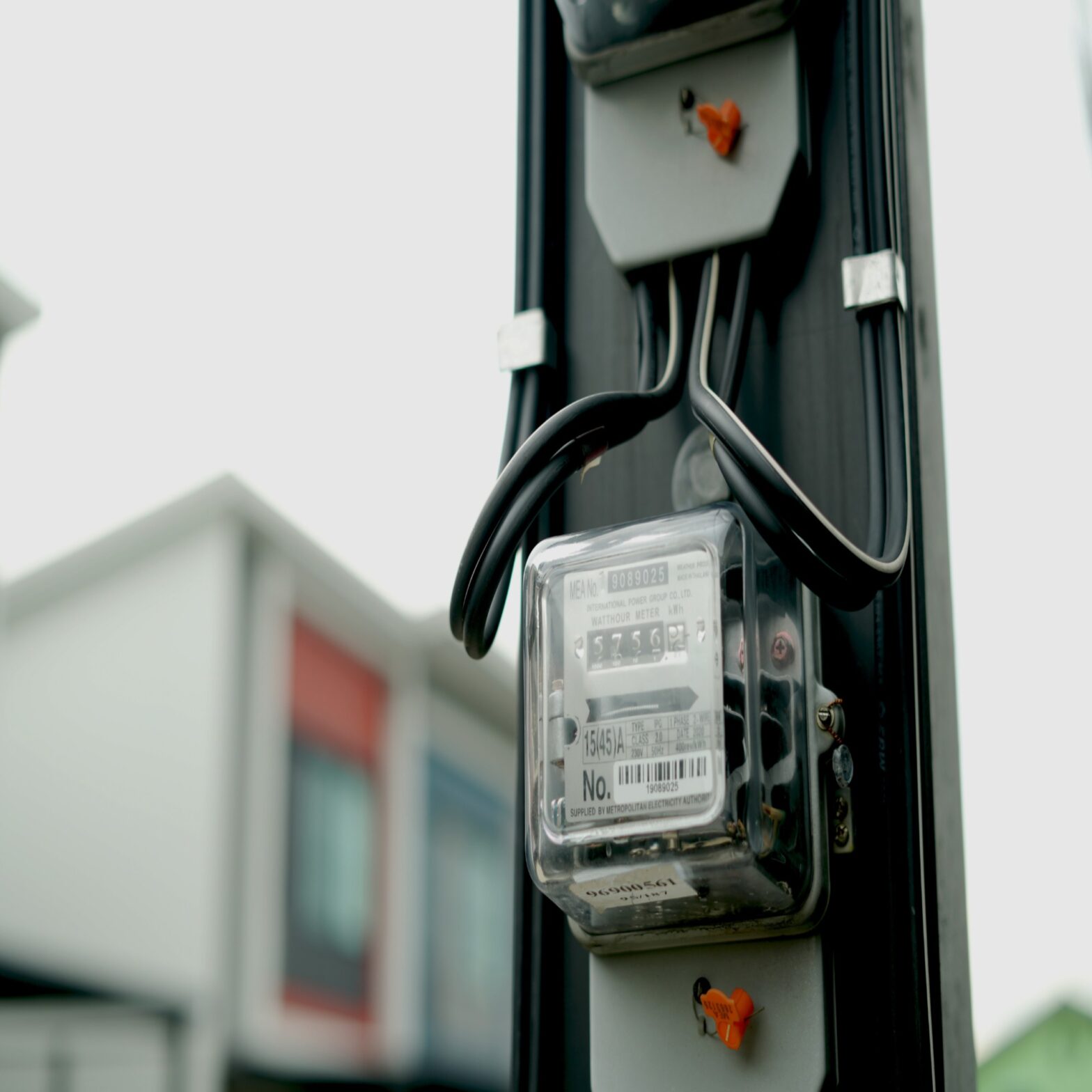
Switching suppliers does not change who delivers your power. Your local utility company owns the poles, wires, transformers, and meters. It handles outages, maintenance, and monthly meter reads.
What changes is the supply portion of your bill, which is the per-kWh charge for generating the electricity itself. A competitive supplier replaces the utility’s default generation charge with a rate you chose. Delivery charges, taxes, and fees remain identical.
Your utility’s role doesn’t shrink when you pick a different supplier. It still responds to power outages in your area, still sends repair crews for downed lines, and still manages the grid infrastructure that connects your home to the power supply.
You will not lose power during or after a switch
Zero service interruption occurs when you change suppliers. Electricity flows through the same distribution lines regardless of which company generates it. Your utility does not disconnect and reconnect service to process a supplier change.
Fixed-rate customers who switch are shielded from the seasonal price swings that variable-rate customers absorb during summer and winter peaks. A customer whose usage rises 40% in August due to air conditioning pays more in total kWh consumed, but the per-kWh rate stays locked at the contracted price.
Enrollment takes minutes; activation takes one to two billing cycles
Signing up with a new supplier takes about five minutes. You provide your utility account number, confirm your service address, and select a plan. Arbor handles this process automatically after analysing a customer’s current rate and identifying a lower fixed-rate alternative.
Activation timing depends on your utility’s meter-read schedule. Most utilities only process supplier changes at the start of a new billing cycle, so the switch typically takes effect within one to two billing cycles after enrollment.
You won’t see a gap in service or a double bill during the transition. Your current supplier continues providing power until the new supplier’s rate takes effect on the next meter-read date.
Your utility continues delivering electricity and sending one monthly statement throughout. On your next bill, the only visible change is the supply rate line item.
Your bill still comes from your utility (except Texas)
Some customers expect to receive a second bill from their new supplier. In most deregulated states, that doesn’t happen. Your utility issues a single consolidated bill that includes both delivery and supply charges, with the supply line reflecting your new rate instead of the utility’s default.
Check the supply charge section of your bill after the switch takes effect. Compare it against the rate you were paying before. A household using 900 kWh per month that moves from $0.12/kWh to $0.08/kWh sees supply charges drop from $108 to $72, saving $36 per month.
EIA data shows the national average residential rate reached approximately 18.05 cents per kWh as of early 2026, up 5.4% from the prior year. Households paying above that average on supply charges alone may find competitive fixed-rate alternatives in their utility territory.
State averages vary sharply. Massachusetts averages roughly 31.5 cents per kWh, while Ohio averages near 15.5 cents. A competitive fixed rate below your state average can reduce the supply portion of your bill by 10 to 30%.
State regulators oversee the entire process
Electricity supplier switching is regulated by each state’s public utility commission. These agencies certify which suppliers can operate, enforce consumer protection rules, and provide dispute resolution if something goes wrong.
Ohio’s PUCO requires all competitive retail electric service providers to hold state certification and gives customers seven business days to cancel a new contract without penalty. Pennsylvania’s PUC requires suppliers to provide a contract summary box with terms before enrollment and gives customers three business days to cancel.
Slamming, which is the unauthorised switching of a customer’s supplier, is prohibited in every deregulated state. If a supplier switches your service without your consent, your state utility commission can reverse the change and impose penalties on the supplier.
Arbor automates the comparison and switch
Arbor retrieves a customer’s actual usage data from their utility account, benchmarks the current supply rate against every available fixed-rate plan in that territory, and submits the switch if savings justify the change. The Cool Down reported that Arbor customers save up to $593 per year through this automated process.
Arbor holds state-issued broker licenses in each market it serves. Revenue comes from referral commissions paid by electricity suppliers, so the service operates at no cost to the customer. If a customer’s current supplier charges an early termination fee, Arbor reimburses it.
When a customer’s new rate expires, Arbor monitors the market and can transition the account to another competitive plan before variable pricing takes effect. Customers receive a confirmation email with the supplier name, rate, and plan duration for every switch.
Frequently asked questions
Will I lose power if I switch electricity providers? No. Your local utility continues delivering electricity through the same infrastructure. Switching changes the supply portion of your bill, not the delivery.
How long does it take to switch electricity suppliers? Enrollment takes about five minutes. Activation typically takes one to two billing cycles, depending on when your utility processes the next meter read.
Is switching electricity providers safe? Supplier switching is regulated by your state’s public utility commission. Every competitive supplier must hold state certification, and you have a rescission period to cancel without penalty after enrollment.
What happens to my bill when I switch suppliers? You still receive one bill from your utility. Your supply rate line changes to reflect your new supplier’s rate. Delivery charges, taxes, and fees stay the same.