













Is Open-Plan Falling Out of Favour with Energy-Conscious Brits?
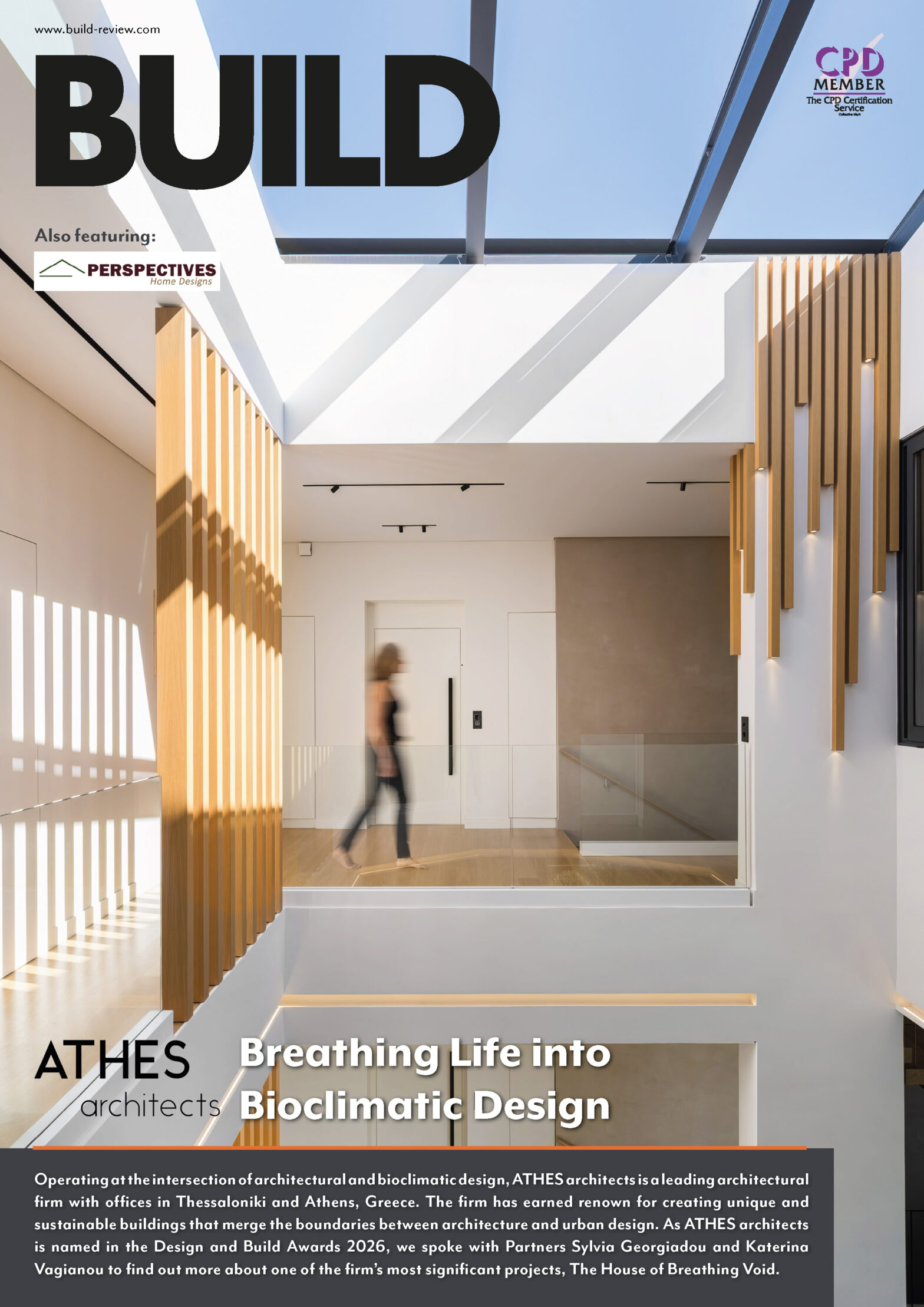
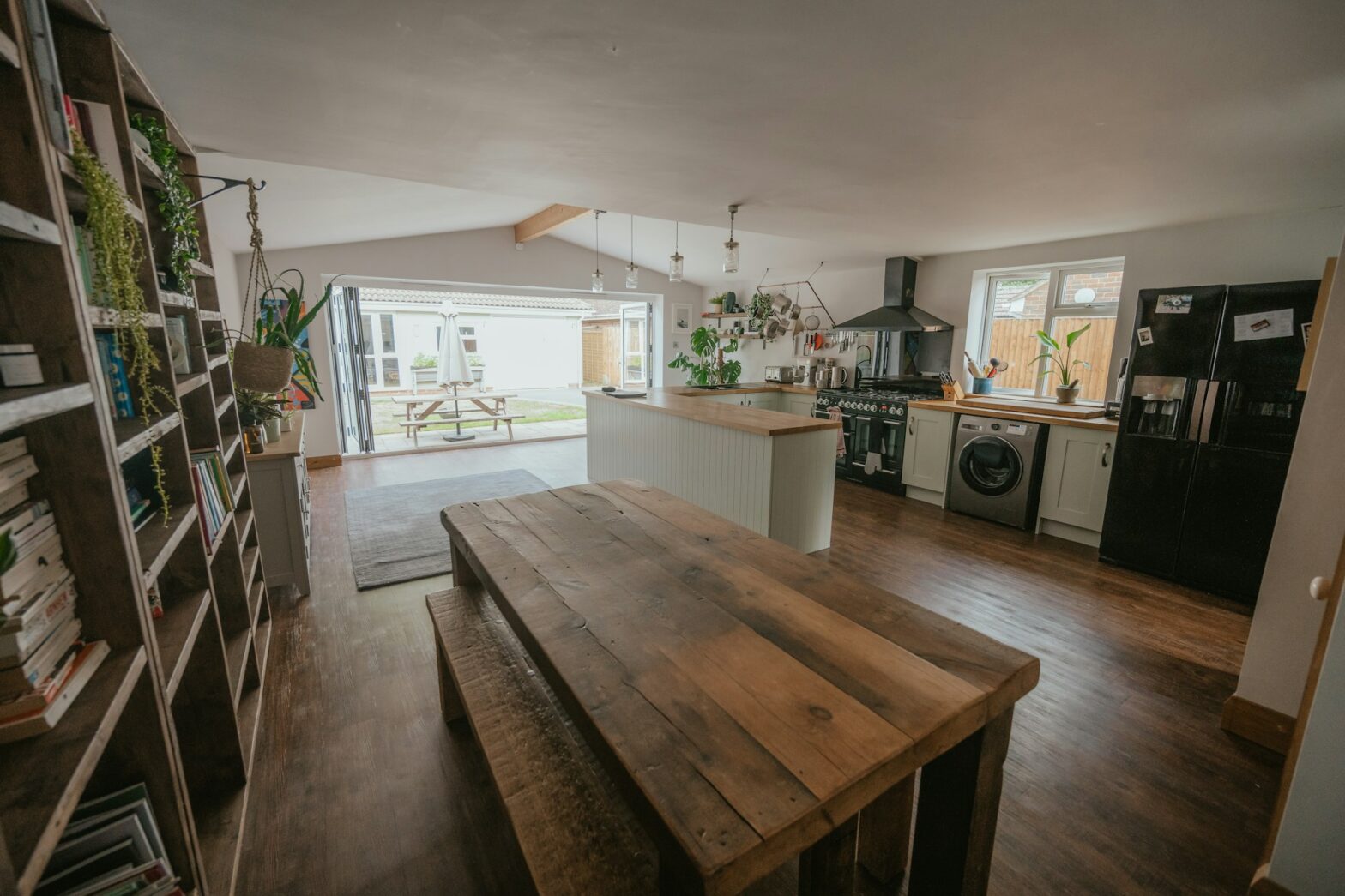
Open-plan was the solution to the so-called curse of the quintessentially British cottage. Generations that had grown up in comparatively pokey rooms isolating one action from the next were reached property-buying age, and fell over themselves to embrace a more contemporary form of interior design – one that integrated one action, one movement, with the next. Maximising space and light, being more sociable when one would otherwise be locked away in the kitchen while the guests mingled, having versatility to divide the room with impermanent elements like shelves and rugs. It all felt so…modern. And, with the sun streaming in, so fresh.
But trends circle back, inevitably, and open-plan is fast falling out of favour with Brits. It’s not all for one reason – it never is – but alongside privacy and the need for at least a little functional separation, it seems homeowners are upping energy efficiency on the priorities list.
Energy consciousness isn’t just a response to the increasing tangibility of global warming. It’s mostly born of a genuine frustration at the continued inflation of energy bills – the fact that our current system has us at the mercy of the global energy crisis, and whatever the energy giants do to continue turning an impressive profit.
Is Open-Plan Really Energy Inefficient?
One of the reasons why the quintessential British cottage features many smaller rooms rather than a few larger rooms is energy conservation. Smaller rooms are quicker and easier to heat, and having plenty of closable doors means it’s easier to keep that warm air in. This is particularly important when the home is dependent on a traditional gas boiler, which has to work very hard – in other words, consume a lot of energy – in short bursts to maintain warmth.
Open-plan, by contrast, takes longer to heat. The same boiler switched on for the same amount of time as the one in the cottage won’t get a large, open-plan space to the same temperature.
Reframing How We Understand Energy Efficiency
Of course, all this hinges on the idea of a traditional heating system – a gas boiler that churns through expensive fossil fuels and drives up the monthly energy bill considerably. Modern layouts require modern solutions, such as the more sustainable and efficient heat pump, which works constantly to maintain a comfortable, even temperature throughout the house by drawing thermal energy from the air outside – even in cold weather. Maintaining a warm temperature is preferable to constantly adjusting – continually turning the heating on when it’s too cold, and off when it’s too hot. Companies like gsmlimited specialise in designing systems to fit the exact needs of the home – including maintaining ideal temperatures in larger rooms.
Yes, open-plan may require a different approach in terms of the number of radiators – or, preferably, the importance of a more efficient option, like underfloor heating. But open-plan is not incompatible with a home that is consuming energy at a reasonable, manageable rate – even at a time in history when the cap is much higher than we are used to.