




















Construction mistakes like wood-to-soil contact often create direct entry points for termites. Debris left under slabs can provide hidden food sources that support early colony growth. Saturated, poor site grading increases moisture around foundations and encourages termite movement through softened soil.
Termites damage wooden structures by slowly weakening beams, floors, and foundation supports. Unchecked infestations can spread through walls and hidden spaces without early visible signs. Over time, this activity can lead to costly structural repairs and reduced property value.
Construction errors often create moist, sheltered environments that help termite colonies expand quickly. Good building practices reduce soil contact, moisture buildup, and hidden access points around structures. Careful construction choices lower infestation risk and help protect buildings from long-term termite damage.
When Should Homeowners Schedule a Professional Termite Inspection for Safety?
Homeowners benefit from scheduling a professional termite inspection at least once annually. Regular inspections help detect early activity before structural damage spreads across hidden areas. Also consider pest inspection if you notice early signs of termite activity inside or around a home, such as:
- Mud tubes on walls
- Hollow-sounding wood
- Discarded wings nearby
- Peeling paint surfaces
- Tight door frames
- Small wood holes
For reliable inspection service, consider reputable experts like Scorpion King Termite Control. Their team delivers skilled assessments and can guide you through treatment options and prevention strategies. Their support can make long-term termite protection easier to manage over time.
How Do Climate and Weather Patterns Affect Regional Termite Activity?
Warm and humid climates often create ideal conditions for termite colonies to grow quickly. Heavy rainfall can soften soil and increase underground movement toward buildings. Dry seasons may push termites deeper into structures, searching for moisture sources.
Regional weather shifts can influence how far colonies expand and how often they forage. Temperature changes also affect reproduction rates and feeding patterns across different termite species.
Six Construction Mistakes That Attract Termites
Construction plays a major role in long-term pest control outcomes for buildings. However, mistakes during construction can create conditions that attract termites over time, including:
- Hidden pathways
- Moisture buildup
- Structural weaknesses
- Trapped organic debris
- Poorly sealed gaps
When these conditions develop, termites can establish colonies and spread through structural timber, wall framing, and other wooden components without early detection. Careful construction choices reduce soil contact, limit moisture retention, and close off entry points.
1. Wood-to-Soil Contact
Wood-to-soil contact often occurs when builders place untreated framing or supports directly on the ground during construction. Such placement allows termites to move easily from soil into wood and increases moisture exposure around structural elements.
Soil conditions also support tunneling and colony expansion near foundations. Elevating wood above ground level and using concrete barriers or treated materials helps reduce termite access and lowers infestation risk over time.
2. Debris Left Under Slabs
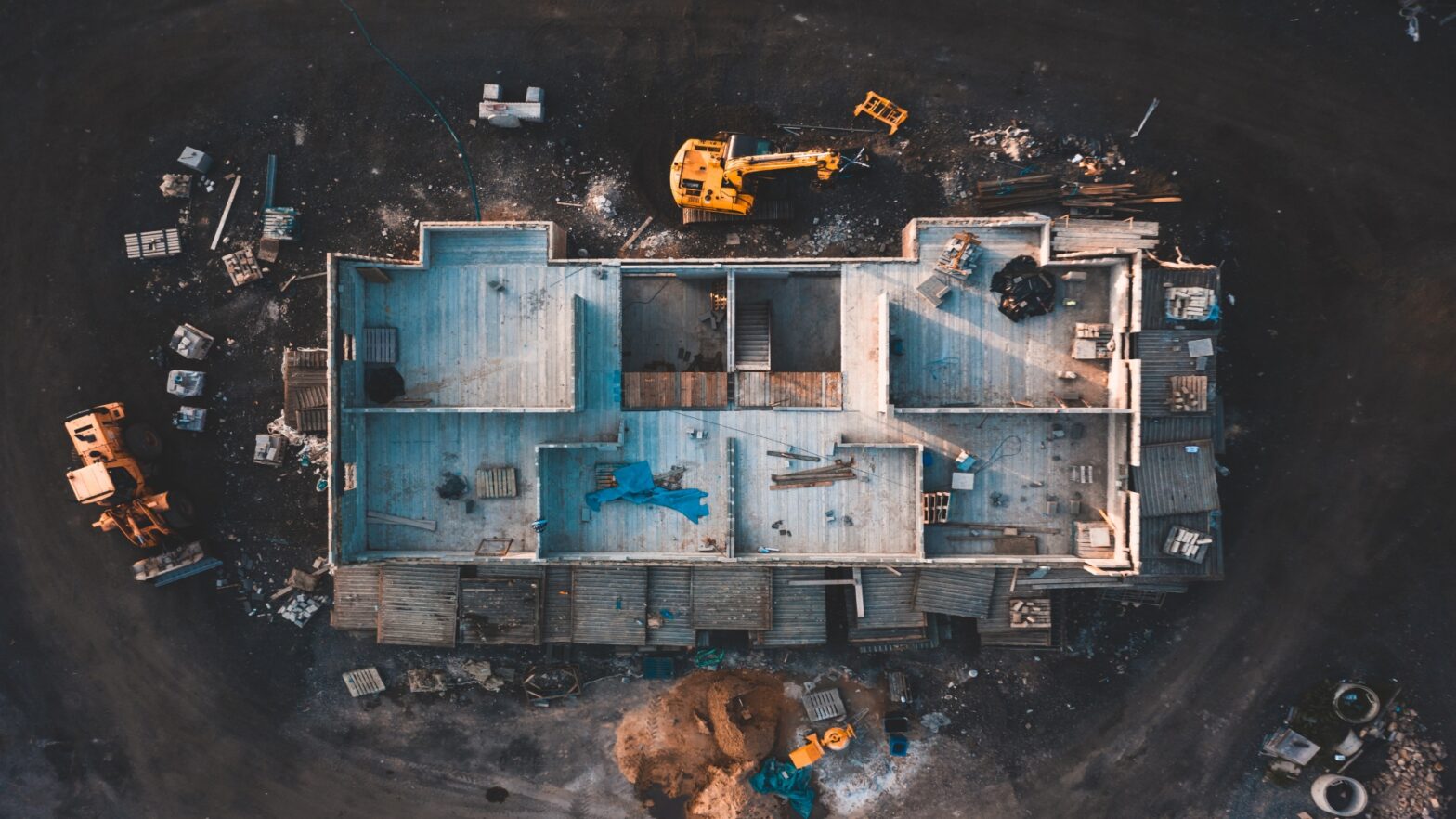
Construction debris trapped under concrete can support early termite colonies underground. Organic materials provide hidden food sources that remain after foundations get sealed. Moist conditions under slabs help termites survive and expand without detection.
Over time, colonies can move upward into structural areas and damage key building components. Removing debris before pouring concrete and keeping the site clean helps prevent hidden infestations and reduces long-term termite risk.
3. Saturated, Poor Site Grading
Poor grading can allow water to collect around foundations and increase soil moisture. Wet soil conditions make it easier for termites to travel and build tunnels.
Water accumulation near structures can also weaken building edges and support decay. These conditions often create long-term risks for structural stability and pest entry.
4. Irrigation Near the Foundation
Irrigation systems placed close to buildings can:
- Increase soil moisture
- Create damp zones
- Soften the surrounding soil
- Support the underground movement
- Encourage colony expansion
- Raise humidity levels
Constant wet areas near foundations can also hide early activity until damage spreads. Careful system placement away from foundations and controlled watering patterns help reduce excess moisture and lower termite risk over time.
5. Exposed Below-Grade Foam Insulation
Foam insulation placed below ground can become vulnerable when left unprotected. Termites can tunnel through or around certain insulation materials in search of wood.
Exposed insulation areas can act as hidden pathways toward structural framing. Protective barriers can help reduce direct access to vulnerable building sections.
6. Unsealed Utility Pipe Penetrations
Gaps around pipes and utility lines can create small openings into structures. Termites can use these spaces to bypass external barriers and reach interior wood.
Moisture can also collect around unsealed points and increase attraction. Proper sealing around entry points can reduce movement paths and infestation risks.
Frequently Asked Questions
Can DIY Termite Treatments Effectively Eliminate an Entire Underground Colony?
DIY termite treatments often fail to eliminate entire underground colonies effectively. Surface sprays rarely reach deep nesting areas within soil and wood structures. Colonies continue feeding and expanding despite a temporary visible reduction in activity.
Complex tunnel systems also protect queens and core workers from exposure. Professional termite control services provide targeted methods that reach hidden colonies and reduce long-term reinfestation risks.
Do Modern Building Codes Require Pre-Construction Termite Preventive Treatments?
Many modern building codes include termite prevention measures during early construction phases. Requirements often vary based on:
- Region
- Climate conditions
- Local pest pressure levels
- Building type
- Construction materials
Builders may install physical barriers, treated wood, or soil treatments before foundation work begins. These measures help reduce future infestation risks and improve long-term structural protection against termite damage across residential and commercial buildings.
Can Stacking Firewood Near a Garage Wall Invite Termite Colonies?
Wood piles create a steady food source and retain moisture from the ground. Termites can move from stacked wood into wall framing through small gaps or soil contact.
Keeping firewood elevated and stored away from buildings helps reduce direct access. It also lowers the chance of colonies shifting into structural areas over time.
Avoid Construction Mistakes for Long-Term Termite Protection
Construction mistakes often create hidden entry points that attract termites into new buildings. Wood-to-soil contact, poor drainage, and trapped debris increase infestation risks over time. Moisture buildup and unsealed gaps also support colony growth near foundations and structural areas.
Careful planning during construction helps reduce these vulnerabilities and improve long-term building durability. Small design choices can significantly influence pest control outcomes in residential and commercial properties.
Did you find this blog post informative? Check our other articles on real estate, construction, and sustainability. You can explore practical tips and strategies that help improve construction decisions and prevent pest infestation.