










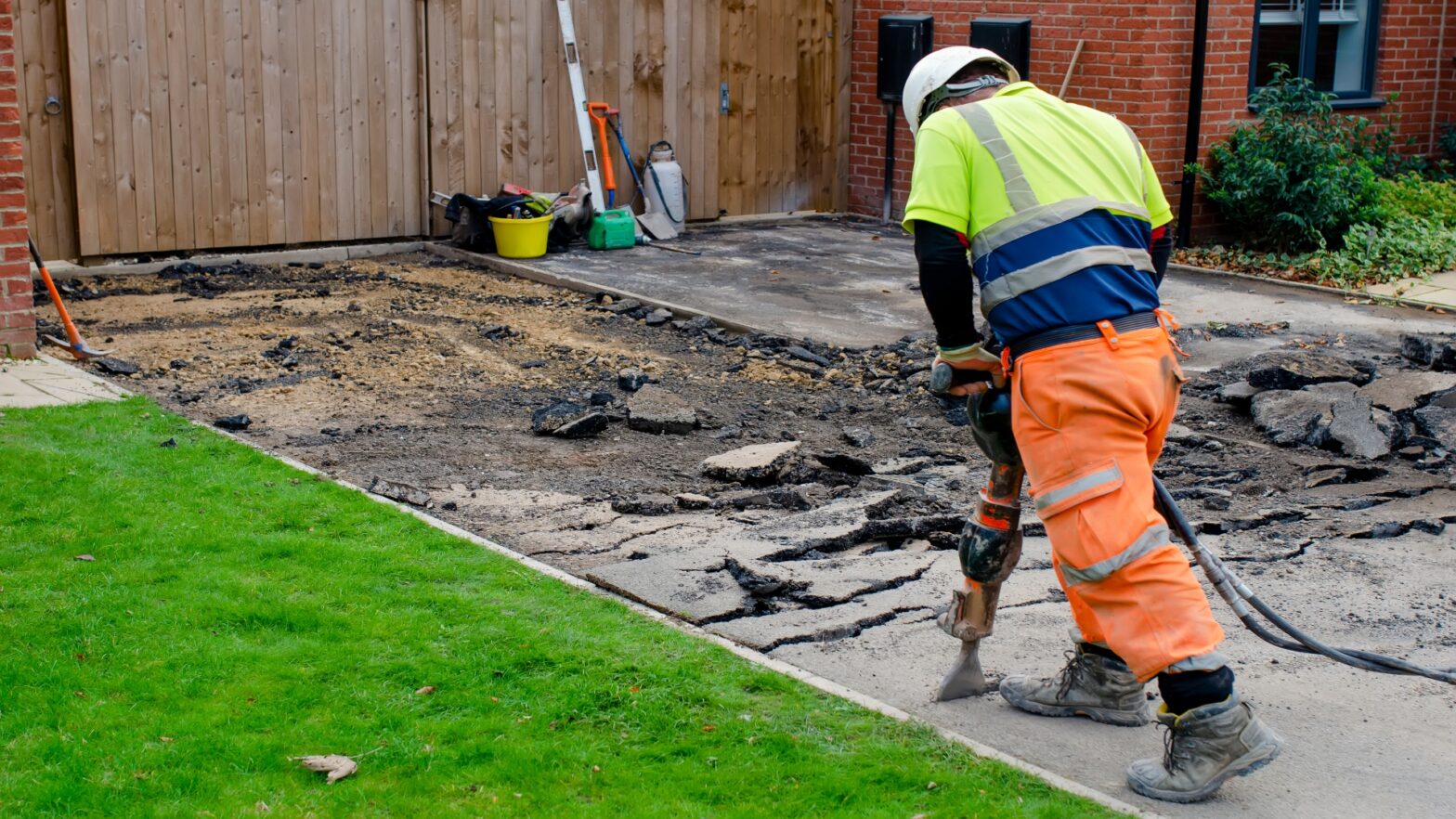











Material waste is one of the most common issues on construction sites, yet it often goes unnoticed until costs start adding up. Globally, construction and demolition activities generate around 2 billion tonnes of waste each year. A large portion of that, estimated in the millions of tonnes, comes from unused or excess materials that never make it into the final build.
This doesn’t just affect budgets. It also puts pressure on disposal systems and raises concerns around sustainability. Because of the stricter regulations and rising material costs, construction teams are now expected to manage resources more carefully.
If you’re looking to cut down waste and improve efficiency on site, keep on reading to learn the practical ways to manage materials and reduce unnecessary loss.
Why Construction and Demolition Waste Matters
Construction and demolition (C&D) waste goes far beyond clutter on-site. It has direct impacts on the environment, public health, and overall project efficiency.
Here’s how it can affect different areas:
| Area | Impact |
| Environmental impact | High waste increases landfill use and drains resources. Materials like concrete, timber, and steel take energy to produce, so unused stock also raises carbon output. Cement alone accounts for around 7–8% of global CO₂ emissions. |
| Carbon and embodied carbon | Discarded materials waste the carbon used in production and transport, adding to embodied carbon, a growing focus in construction. |
| Health risks | Poor waste control can release dust and harmful particles. Silica dust from concrete cutting can cause respiratory issues, while asbestos and similar materials pose serious long-term risks if mishandled. |
| Soil and water pollution | Paints, adhesives, and treated materials can leak into the ground if not disposed of correctly, damaging ecosystems and creating costly clean-up work. |
| Safety and delays | Build-up of waste creates trip hazards, blocks access, and slows work, increasing accident risk and reducing productivity. |
| Cost and compliance | Higher landfill taxes and stricter rules mean poor waste handling leads to increased costs and possible compliance issues. |
5 Ways to Manage Materials and Construction Waste
Managing materials properly helps keep projects organised, reduce costs, and avoid unnecessary waste. It requires planning, coordination, and regular monitoring throughout the project.
Construction waste remains one of the largest waste streams in the UK, so improving how materials are handled can help meet environmental expectations.
Here are simple ways to manage materials better and reduce construction waste across your projects:
1) Plan materials accurately from the start
A large share of construction waste comes from over-ordering or incorrect estimates. It shows that up to 10–15% of materials delivered to the site can end up unused due to poor planning or design changes.
Using detailed drawings, Building Information Modelling (BIM), and quantity take-off tools can improve accuracy. These tools allow teams to calculate exact material needs, reduce surplus, and adjust orders based on real-time project changes.
Early coordination between architects, engineers, and contractors also helps avoid last-minute revisions that often lead to waste.
2) Improve on-site storage and handling
Materials that are exposed to weather or stored incorrectly can quickly become unusable. Timber can warp when exposed to moisture, cement can harden if not stored properly, and insulation materials can lose effectiveness if damaged.
Setting up designated storage zones, using weatherproof coverings, and following proper stacking methods can help reduce this type of waste. Labelling materials and organising deliveries in phases also prevents unnecessary handling. In some cases, better storage practices alone can reduce material loss by several percentage points across a project.
3) Work with reliable suppliers
Material quality and delivery timing have a direct impact on waste levels. Late deliveries can disrupt schedules, while incorrect or low-quality materials may need to be replaced, increasing both cost and waste.
Working with a trusted aggregate supplier in the North West of England, like UKAP Ltd, helps ensure materials meet project requirements from the start. As a fully licensed Waste Transfer Station, Aggregate Supplies, and Construction Waste Management provider, they support both supply and disposal, helping construction teams manage materials more efficiently.
4) Reuse and recycle materials where possible
Reusing materials on site is one of the most effective ways to reduce waste. Around 90% of construction and demolition waste is recovered or recycled, but there is still room to improve how materials are reused during projects.
Excavated soil and aggregates can often be reused for backfilling or landscaping. Crushed concrete can be repurposed as sub-base material, while metal, timber, and plastics can be separated and sent for recycling.
Setting up clear waste segregation systems on site makes this process more efficient. Separating materials into categories such as inert waste, recyclable materials, and hazardous waste ensures that more materials can be reused instead of being sent to a landfill.
5) Monitor usage and adjust processes
Tracking material usage and waste output provides valuable insight into how efficiently a project is running. Without data, it’s difficult to identify where waste is occurring or how to reduce it.
Keeping records of material deliveries, usage rates, and waste volumes allows teams to spot patterns and make adjustments. For example, if certain materials are consistently over-ordered, future estimates can be refined.
Some construction projects now use digital tracking systems and waste reporting tools to monitor performance. These systems help teams measure waste reduction targets, improve resource efficiency, and stay aligned with environmental standards.
Manage Materials and Reduce Construction Waste
Good material management directly affects costs, timelines, and how smoothly a site runs. Planning materials properly, storing them well, and tracking usage helps reduce waste and avoid delays on site.
Small changes like better ordering and improved storage can build up into noticeable improvements over time. Reducing waste also helps meet UK regulations and supports more responsible site practices as expectations continue to rise.
To conclude, working with reliable suppliers, reusing materials where possible, and monitoring usage all help keep projects organised and cut down unnecessary waste.