




















By Hayley Corfield, Marketing Manager of Instaloft
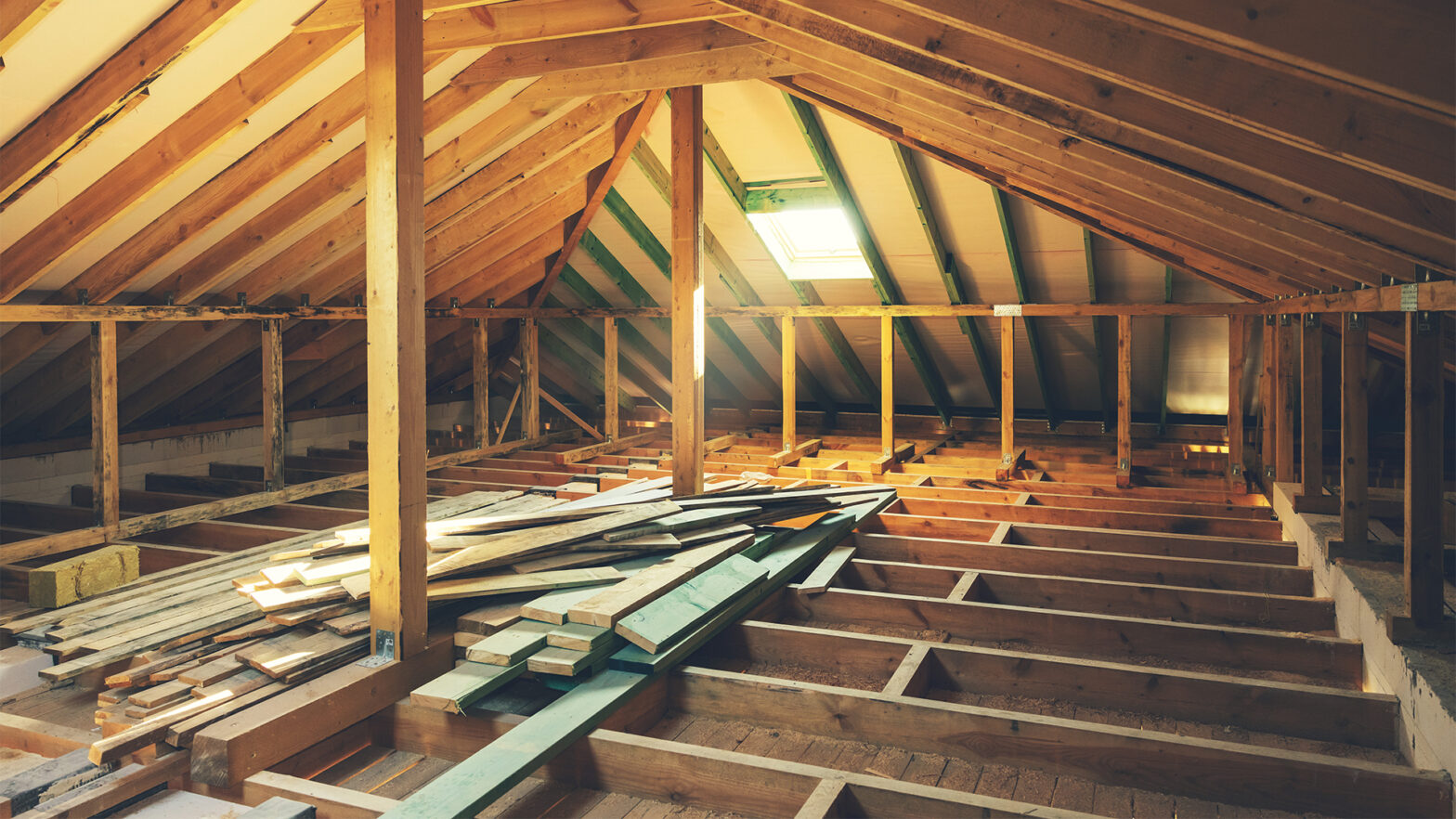
Loft boarding is a popular choice for maximising space and increasing storage options in the home, and it’s easy to see why.
Not only is it a cost effective, practical solution to smarter living, transforming wasted loft space into a useable storage facility, but it’s a straightforward alternative to extensive extensions or full loft conversions.
Who doesn’t want to live in a calm, clutter-free, orderly home? According to a 2025 survey by Attic Self Storage, 36.5 per cent of Brits use their loft as a ‘dumping ground’ for clutter, boxes, or items that don’t have permanent homes, while 8.85 per cent haven’t yet found a clear purpose or function for their loft.
There are huge benefits to loft boarding, but this doesn’t necessarily mean it’s always a smooth sailing process for homeowners. In fact, it’s easy to get things wrong when it comes to boarding a loft, and it’s common to make mistakes.
Poorly installed loft boards can lead to safety risks and insulation issues, including increased condensation and risk of mold, so it’s important to get it right. Avoiding these mistakes will ensure your loft will serve its purpose for years to come, while making your investment go even further.
Disruption and upheaval
Many homeowners worry that loft boarding will cause significant disruption throughout the installation process. This is a natural concern, and it’s inevitable that any work being carried out on a home will create a certain element of upheaval.
But it’s worth noting that, in reality, most loft boarding installations are completed within a day or two, especially in small or standard sized properties.
The best installers will always prioritise protecting the home, and before work begins will lay dust sheets, use carpet protectors, and ensure the surrounding area is kept clean and protected.
It’s common to be concerned about how much disruption loft boarding will cause, but it’s a relatively efficient process, particularly when compared to large scale loft conversions.
Compressing loft insulation
According to Checkatrade, in the UK the recommended depth for loft insulation is 270mm. This will help to keep the home cool in the summer and warm in the winter, while a well-insulated home is also more energy efficient, helping keep energy bills down.
But a common mistake while boarding is compressing loft insulation. Laying boards directly on top of insulation compresses it, reducing its thermal efficiency and driving up heating costs. Homeowners should choose their installer carefully to avoid this happening.
The key step is to choose an installer who uses a raised loft boarding system that leaves the insulation space intact. These systems are specifically designed to protect the insulation by ensuring the loft boards are raised above it – essentially ensuring the insulation doesn’t get squashed.
In newer properties, incorrect loft boarding installation can even void certain elements of a new build warranty, so it’s vital to use a compliant system.
Overloading the space
Loft boarding is one of the most effective ways to maximise the storage space in your home. And with so many of us owning huge amounts of belongings, it’s a sensible solution to reduce clutter and make your home more liveable and organised.
But a mistake many homeowners make once the boards have been installed is overloading the loft. While it’s true that they’re strong and durable, some types of loft boards are not designed to withstand large, heavy loads.
Lightweight items including boxes, small pieces of furniture, clothes, and seasonal items such as Christmas decorations are all perfect to store in a loft, but heavy appliances or large furniture can cause issues if the right system is not used.
A qualified professional will be able to assess your loft’s load-bearing capacity and safe weight limits, which is particularly important as loft boarding adds extra weight.
Ignoring this and overloading your loft may lead to structural damage or even potential collapse. It goes without saying that this is something to avoid at all costs.
Choosing the best option
As with any home improvement decision, there is so much to consider, so much information out there, and so many elements to making the right choice, that it’s unsurprising homeowners sometimes get things wrong.
While it’s a cost-effective option, loft boarding is still an investment, and that means making a well-informed decision is vital. Seeing money go down the drain thanks to damage or low-quality installation isn’t an option.
Equally, in making the assumption that it will be a long, messy, and disruptive process, many homeowners overlook the benefits of boarding their loft altogether.
Each homeowner’s circumstances are different, but for those looking for a cost-effective, efficient storage solution, loft boarding may well be the answer. Doing adequate research, due diligence, and choosing a reputable installer are the safest ways for homeowners to avoid those costly mistakes and have confidence they’re enhancing their storage space and their home.