




















Construction technology has advanced rapidly, yet the physical conditions on active jobsites have not kept pace. Screens wash out in direct sunlight, batteries drain during long shifts and devices require training that can slow adoption across mixed crews. These constraints explain why printed blueprints continue to appear on even the most digitally advanced projects, offering a full-scale reference that works reliably when electronic alternatives falter.
The Tangible Reality of Modern Construction Sites
Jobsite conditions create obstacles that digital devices struggle to overcome. Glare from direct sunlight can render a screen unreadable at the exact moment a crew needs to verify a dimension. At the same time, battery life becomes a constraint when workers spend extended hours in the field without access to charging stations. Paper blueprints sidestep these limitations entirely, allowing workers to view plans immediately.
The training barrier poses an equally significant challenge. According to a 2024 survey, 86% of U.S. construction professionals agree that paper-based drawings eliminate the need for crews to learn complex software. This matters more than it might seem, given that 39% of construction firms cite the time needed to implement and train on new technology as their biggest IT challenge. When adoption itself becomes a bottleneck, the simplicity of a printed plan starts to look less like a compromise and more like an advantage.
Bridging the Field-to-Office Communication Gap
Construction projects depend on constant alignment between design decisions made in the office and execution carried out on-site. When information fails to move smoothly between these environments, crews work from outdated assumptions or incomplete details. This helps explain why 32% of construction firms identify field-to-office communication as a primary IT challenge despite decades of investment in digital collaboration tools.
Physical blueprints offer a solution by providing a shared reference point for multiple trades to examine simultaneously. Gathering several workers around a tablet screen to resolve a question about mechanical clearances or structural connections proves awkward and inefficient. A full-scale print spread across a work table allows everyone to see the same information at once.
The impact of this visibility becomes clear when considering that only 11% of field personnel consistently have the information they need about what to build and where. Printed plans help close that gap by keeping critical details accessible.
Mitigating Coordination Issues and Profit Erosion
Communication failures translate directly into financial losses when crews misinterpret plans or proceed without complete information. Corrections consume labor hours and push schedules beyond their original timelines, which is why 33% of contractors cite coordination issues as a root cause of construction quality challenges. These coordination failures result in an average 10% erosion of annual profit margins.
Clear physical plans give crews a common reference that helps resolve uncertainty before it becomes costly rework. When questions arise on-site, workers can immediately consult a full-scale drawing rather than waiting for someone to locate the correct digital file.
Why High-Resolution Physical Prints Prevent Costly Errors
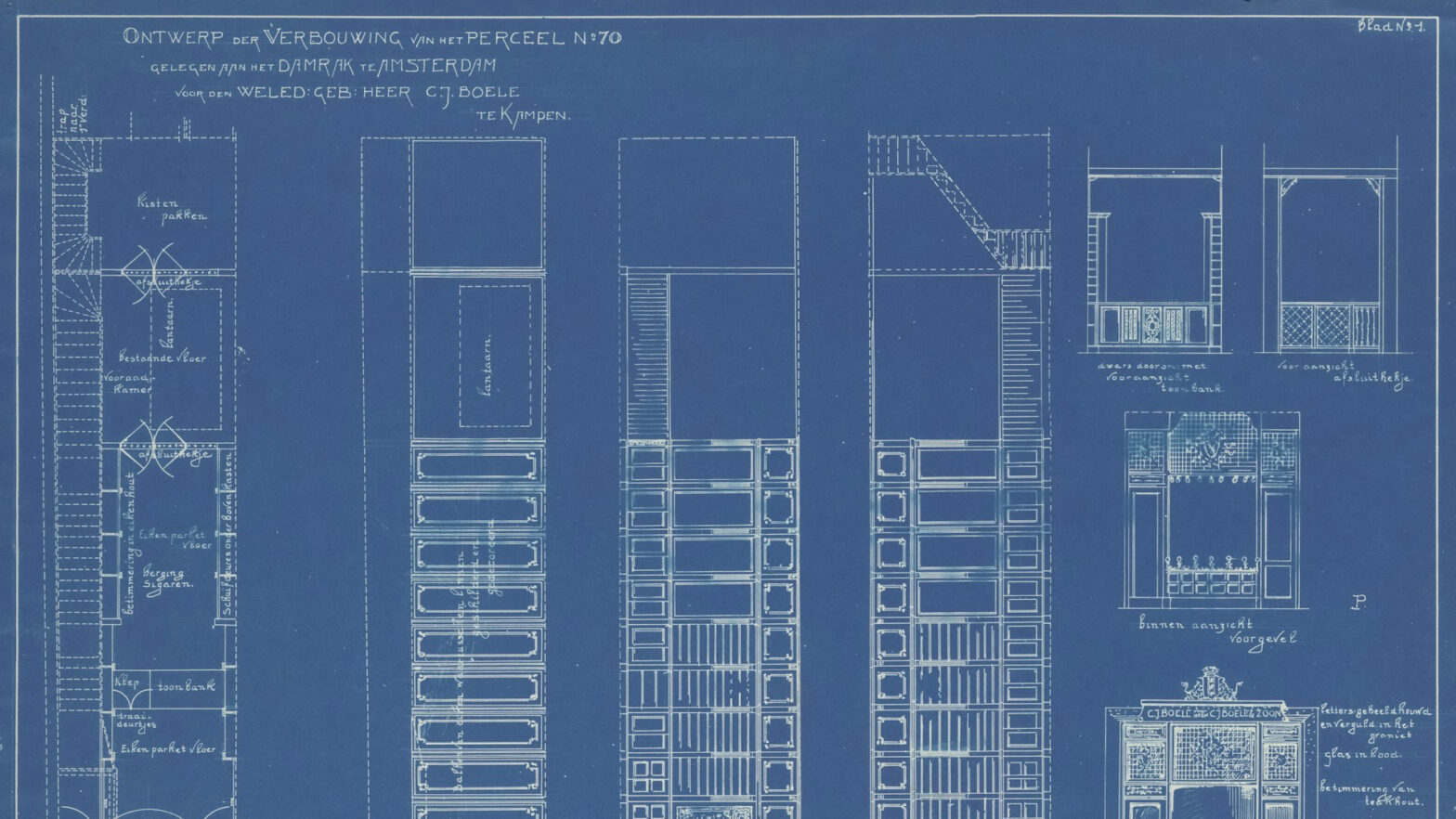
Large-format commercial printing solutions produce documents wider than 24 inches, allowing crews to view intricate construction details at a scale that makes fine linework and small text legible. Workers can interpret measurements correctly without repeatedly zooming into sections on a screen. Precise resolution keeps dimensional data clear and consistent, and scaling prevents distorted details that lead to improper installation.
Duncan-Parnell, which provides wide-format printing for construction teams throughout the Southeast, explains the relevance of printed blueprints and how they can benefit projects. “Accurate and durable blueprints are essential for efficient and error-free construction. High-quality large-format printing ensures the clarity of technical data by maintaining precise lines, consistent scaling and vibrant colors, thereby minimizing rework and enhancing collaboration between design teams and field crews.”
Print quality directly affects how effectively crews can execute complex details. When lines blur or colors fade, workers must guess at dimensions or call the office for clarification.
Achieving the Optimal Hybrid Workflow
The most effective construction workflows treat printed plans as a complement to digital technology rather than a replacement. Digital platforms excel at document management and version control, while physical blueprints provide a stable reference for on-site execution.
This combination allows crews to make visible markups during field discussions and then transfer those notations to the digital record. It maintains an accurate source of project information that serves both environments.
Firms bringing large-format printing in-house should choose equipment based on how their plans will be used. Duncan-Parnell says ink chemistry determines long-term field performance in ways that affect print durability. Dye inks deliver strong color saturation for materials intended for short-term use, such as client presentations. Pigment inks sit on the paper’s surface rather than soaking in, making them better able to resist moisture and fading when plans must withstand extended jobsite exposure.
Frequently Asked Questions
Construction teams often have specific questions about when and how to use physical blueprints alongside digital tools.
Do physical plans improve jobsite safety?
Immediate access to a physical layout helps crews quickly identify hazards and spatial relationships without waiting for devices to load or sync. Workers can reference safety details when they need them.
Are paper blueprints still required for permitting?
While digital submissions are growing, many municipalities and local jurisdictions still require stamped, physical blueprint copies for official permitting and archival records. Requirements vary by location and project type.
What should companies look for in a large-format printing service?
Reliable wide-format printing services should demonstrate consistent print quality, accurate color reproduction and the ability to handle architectural plan sizes from A through E. Turnaround time matters when project schedules are tight, so look for providers with the capacity to meet deadlines without compromising quality.
Building a Resilient Information Strategy
Digital tools give construction teams greater control over project information, but they cannot address every challenge crews encounter in the field. Full-scale printed blueprints remain valuable because they make complex details easy to view and discuss wherever work is underway. A resilient information strategy combines digital efficiency with the dependability of physical plans, giving each team the format best suited to the task at hand.