













Tiny houses have evolved far beyond their origins as a niche housing concept. Across Europe, they are becoming increasingly popular both among individuals looking for a private retreat in nature and investors creating unique accommodation experiences. Their appeal is easy to understand: they offer freedom, flexibility and a closer connection to the outdoors without the cost and complexity of a traditional holiday home.
Yet while many tiny houses may appear similar at first glance, the experience they provide can vary dramatically. Some are designed primarily to meet a price point, while others are built to deliver long-term comfort, durability and versatility. Given that purchasing a tiny house represents a significant investment, it pays to look beyond the marketing photos and ask what truly determines quality.
Here are four features commonly found in the best tiny houses and why they matter.
01. Intelligent design that creates more space
Good design in a tiny house is about much more than aesthetics. While appearance certainly matters, especially if the house is intended for short-term rental, the best designs also make daily life more comfortable by creating a greater sense of space than the floor plan alone would suggest.
This is where many manufacturers fall short. A tiny house may look attractive in photos, yet feel cramped after a few days of use because storage, circulation and everyday functionality were treated as secondary considerations.
“Many tiny houses sacrifice valuable living space through layouts that have not been fully thought through. The most successful designs combine integrated storage, multifunctional furniture and carefully planned interiors that make everyday living easier. The goal is not to fit more objects into the house, but to make the available space feel more open, comfortable and intuitive to use,” says Krystyna Filipiak, architect at REDUKT, one of Europe’s leading tiny house manufacturers.
For private owners, intelligent design makes the difference between occasionally staying in a tiny house and genuinely enjoying living in one. For investors, it can translate into better guest experiences, stronger reviews and a property that stands out in an increasingly competitive market.
02. Durability designed for years of use
A tiny house may be compact, but it is still a home exposed to weather, changing temperatures and everyday wear. That is why construction quality and material selection play a major role in determining long-term value.
Many buyers understandably focus on what they can see: finishes, furniture and aesthetics. Yet the real test comes after years of use. High-quality timber, durable exterior cladding, robust steel chassis and well-designed insulation systems can significantly extend a tiny house’s lifespan while reducing maintenance requirements.
This is particularly important for owners planning to rent their property to guests. Frequent occupancy places greater demands on fixtures, fittings and technical systems, making durability a key factor in protecting the investment.
A well-built tiny house may cost more initially, but it often proves less expensive over time. Lower maintenance costs, fewer repairs and stronger resale value can easily outweigh the difference in purchase price.
03. Off-grid capabilities that expand your options
Location is often what makes a tiny house truly special. Unfortunately, some of the most attractive plots of land lack easy access to utilities such as electricity, water or sewage infrastructure.
This is where off-grid capabilities can become a major advantage. Features such as solar power systems, battery storage, water tanks and alternative waste management solutions allow owners to place their homes in locations that would otherwise be difficult or expensive to develop.
For private buyers, this can mean greater privacy and a closer connection with nature. For investors, it can unlock unique sites that stand out in a crowded hospitality market and attract guests seeking experiences unavailable in traditional accommodation.
In many cases, off-grid readiness is not just about sustainability. It is about flexibility. The ability to operate independently from infrastructure gives owners more freedom both today and in the future.
04. Mobility that protects your investment
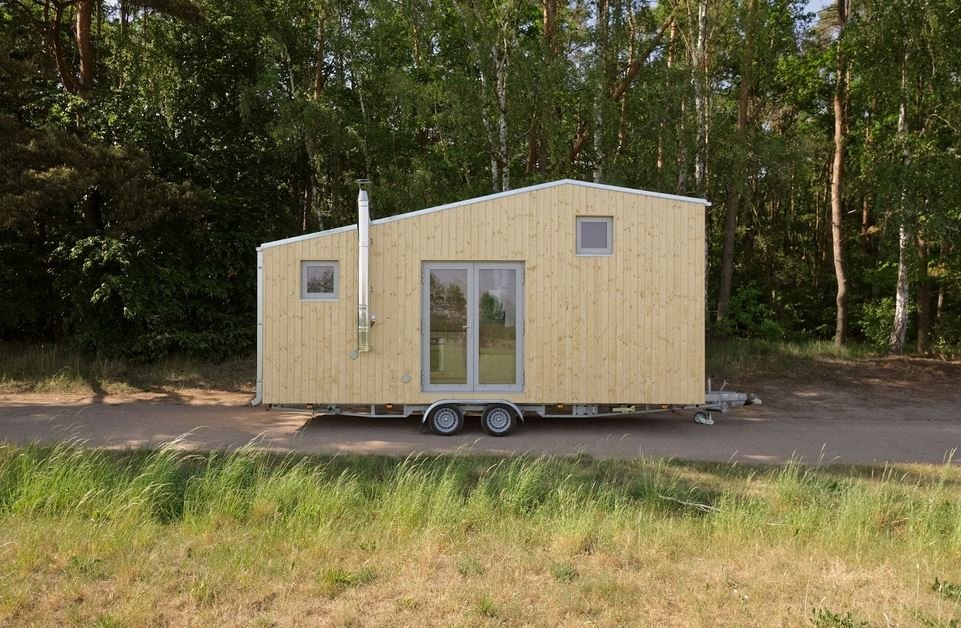
Mobility is one of the defining characteristics of a tiny house, yet not all mobile homes offer the same level of flexibility. The best models are built on certified trailer chassis that make relocation practical rather than merely theoretical.
This can be valuable for private owners whose needs change over time. A tiny house that starts life as a holiday retreat may later become a home office, guest accommodation or a second residence in a different location.
Mobility can also reduce investment risk. If a location proves less attractive than expected, the home itself can be moved elsewhere. For hospitality operators, this flexibility creates opportunities to adapt to changing demand, regulations or business plans without abandoning the asset entirely.
In a rapidly changing world, the ability to relocate a home may be one of the most overlooked forms of future-proofing.
Choosing for the long term
The best tiny houses are defined by a number of features. They combine intelligent design, durable construction, off-grid independence and genuine mobility to create a better ownership experience and stronger long-term value. Whether purchased as a personal retreat or as an investment, these are the features most likely to matter years after the excitement of the initial purchase has faded.