





















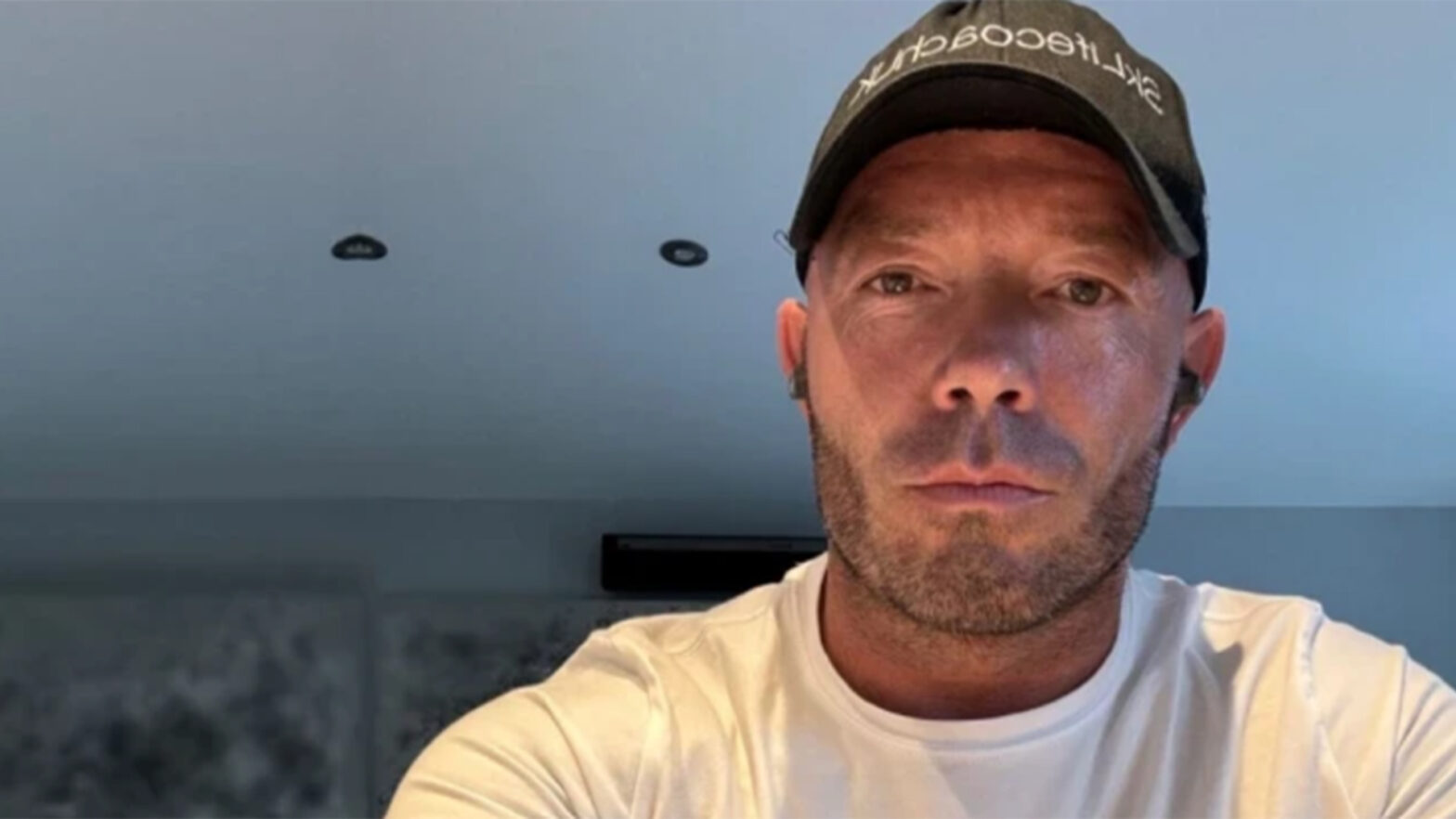
This exclusive interview with Steven Kirby was conducted by Tabish Ali of the Motivational Speakers Agency.
Steven Kirby knows how quickly a workplace incident can change a life. After nearly two decades in construction, progressing from labourer to excavator operator and site supervisor, he suffered a serious accident during a hydrostatic pressure test that left him trapped underwater and fighting for his life.
The physical injuries were only part of the aftermath. Steven later struggled with PTSD, anxiety and depression, an experience that now shapes his work on workplace safety, post-incident support and mental health in high-risk industries. Today, he is a safety culture specialist and founder of SKLifeCoachUK, working with organisations including Network Rail, Balfour Beatty and Anglian Water.
Speaking exclusively to the Mental Health Speakers Agency, Steven discusses what employers should do after a serious workplace accident, why transparent incident reporting matters, how organisations can build genuine resilience and what construction workers need to know about speaking up when something does not feel right.
Question 1. After a serious workplace accident, what support should employers provide beyond the immediate investigation and physical recovery?
Steven Kirby: “That support has got to be there. Trauma is real.
“I was blown up during a hydrostatic pressure test and trapped underwater for around a minute and a half. I woke up underwater, didn’t know where I was and was very lucky to survive.
“Afterwards, I struggled with PTSD, panic attacks and anxiety. I didn’t admit how much I was struggling. I smiled and said, “I’m all right,” but I wasn’t. I was breaking inside and self-medicating with alcohol.
“I was off work for eight and a half months because of my injuries and mental health, but there was very little support.
“Things have changed since then, but organisations need to understand that when there is an incident or trauma, support has to be there.
“I felt like I was just a number rather than a person. The impact of a workplace incident doesn’t end when somebody leaves site. The ripple effect through their life can be massive.
“Leadership teams need to make people feel valued and part of the business rather than leaving them to sort themselves out.
“I eventually went through the NHS and had therapy. It was a difficult journey, but it shaped who I am today and the work I now do with people and organisations.
“You also can’t compare trauma. What one person experiences and how it affects them can be completely different from somebody else’s experience.
“The more organisations support people, educate themselves and show empathy, the stronger their culture becomes.”
Question 2. In construction and other high-risk industries, what does genuine resilience look like after a serious incident?
Steven Kirby: “For an organisation, resilience means reporting what happened properly, offering help to everyone involved, learning from the incident and becoming better because of it.
“That’s how you help prevent future incidents.
“On a personal level, resilience doesn’t happen overnight.
“I had to build it. I went through therapy, took medication and educated myself to process what had happened after my accident.
“I later studied depression, anxiety and addiction because I wanted to understand what I was experiencing.
“I can’t change anything that happened before today. What I can do is take lessons from it, move forward and try to do better today.
“From an organisational perspective, it’s the same principle. Learn from what went wrong rather than covering it up. Follow the right procedures, act on the lessons and reduce the chances of it happening again.”
Question 3. How important are openness and incident reporting to building a stronger safety culture?
Steven Kirby: “A serious incident can have a lasting impact on the people who witness it and across the wider business.
“But that impact can lead to something positive if an organisation looks honestly at what happened, what went wrong and why, and learns from it.
“I was speaking to a client about lost-time incidents and KPIs in construction.
“If I had two companies tendering for a contract and one said, “We’ve been doing this for 20 years and we’ve never had a lost-time incident,” while another said, “We’ve been doing this for 15 years, we’ve had two incidents and this is how we dealt with them,” I would choose the second company.
“They’ve shown me what happened, what they learned and how they moved forward.
“There are companies within the industry that don’t report accidents and incidents properly. For me, it’s important that organisations are completely open about what happens.
“That’s how you learn and move forward.”
Question 4. What do you want construction workers and safety leaders to take away from your experience?
Steven Kirby: “I want people to understand that they have to believe in themselves.
“If something doesn’t feel right, whether that’s on site, with their wellbeing or with their mental health, stop and assess what you need to do.
“From a safety perspective, if you’re about to do something on site and you get that gut feeling that something isn’t right, you’re empowered to stop the job and speak up.
“I had that feeling myself.
“From a mental health perspective, I want people to realise that we all have a story and we all go through difficult chapters.
“I went through a very dark chapter and turned my life around. If I can do that, so can somebody else.
“For me, resilience is about educating yourself, learning from what you’ve experienced and continuing to move forward.
“Every day is a blessing. In order to love life, we’ve got to love ourselves.”