




















Residential elevators are popular home additions. People want to age in place, live with multiple generations of their families and enjoy luxury home amenities. Leaders in the construction industry can capitalize on the trend by learning about the best home elevator brands in the U.S. and addressing common homeowner questions regarding space-efficient, structurally sound designs.
1. Residential Elevators
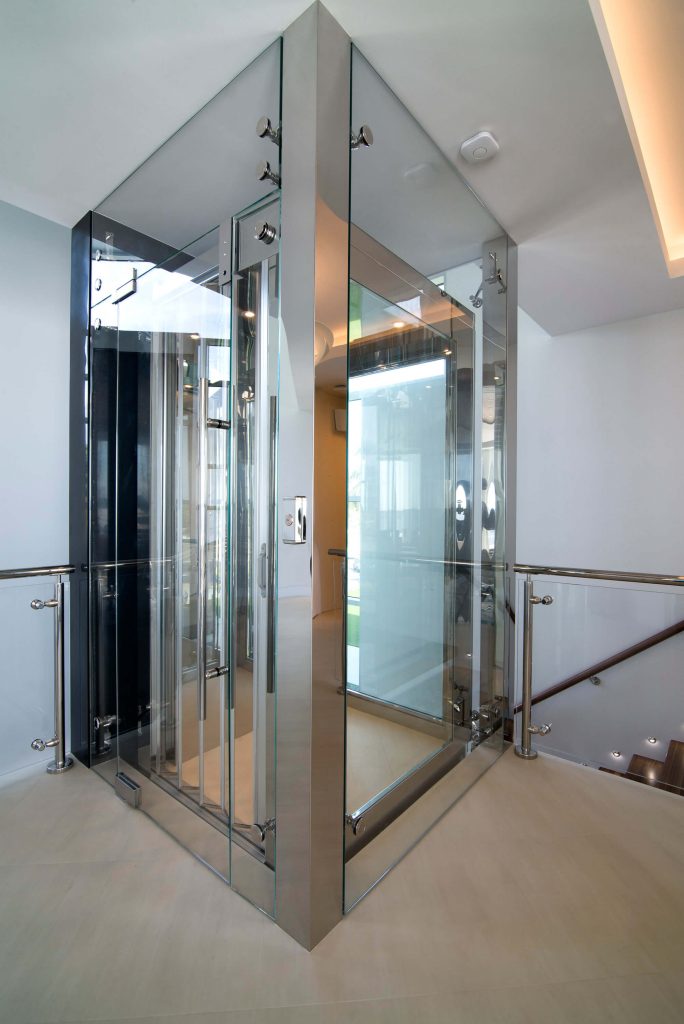
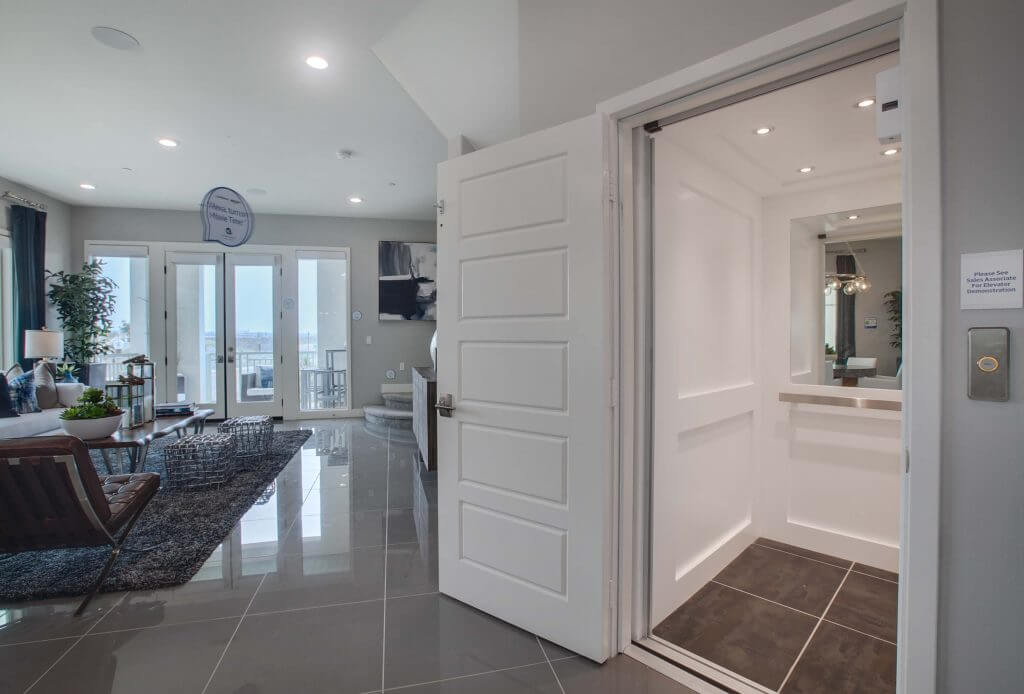
Image: Campbell Residence by Residential Elevators.
Residential Elevators provides leading cab models for homeowners. The custom slim-profile systems require minimal overhead and pits, making them suitable for many home layouts. Customers can choose between integrated structural support and flexible drive systems without compromising on their preferred styles. Residential Elevators considers both aesthetic and mobility assistance needs, as well as space accommodations, for every client.

2. Inclinator
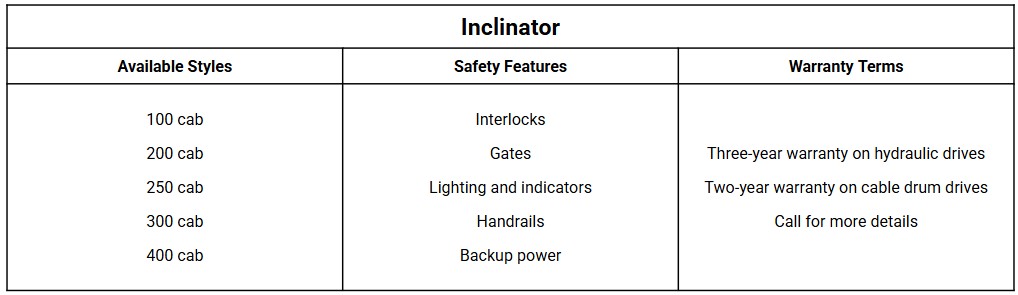
Homeowners rely on Inclinator for safe cabs in multiple styles. People have relied on the company for over 100 years because Inclinator understands how to increase a home’s value with numerous designs and long-lasting construction. The company’s three drive systems work with a variety of elevators to fit houses of all sizes. Customers appreciate the personalization options that suit a range of interior design preferences.
3. Nationwide Lifts
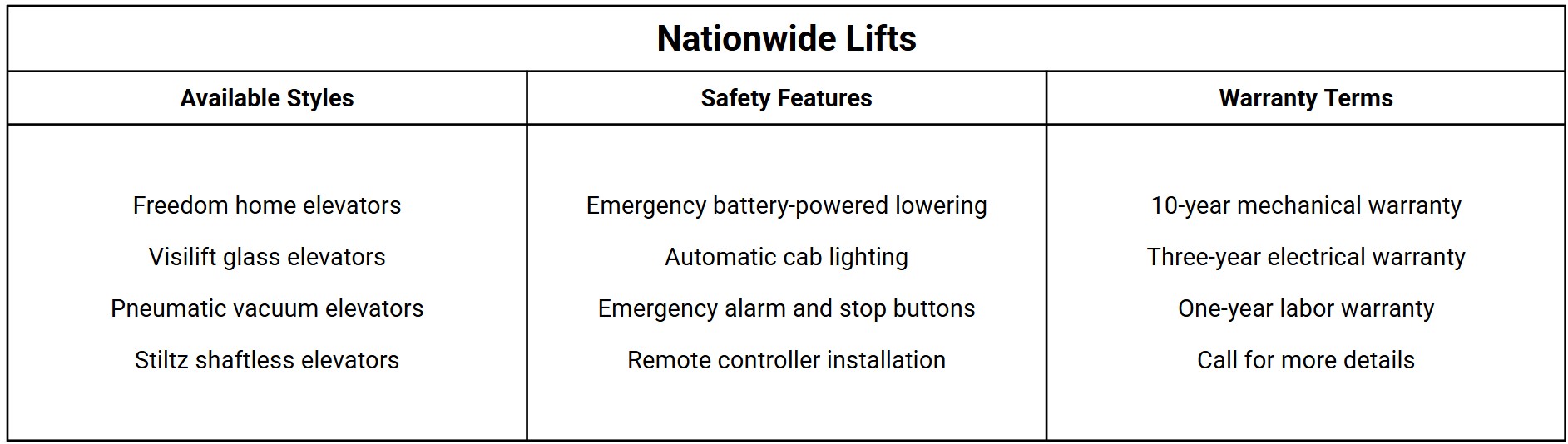
Nationwide Lifts is one of the best home elevator brands in the U.S. It offers a 10-year warranty, providing customers with ongoing support for any potential needs. Local dealers are also readily available, thanks to the company’s 24-hour phone support line. Nationwide Lifts is a preferred provider among construction teams and homeowners and has spent 35 years building some of the highest-quality elevators in the country.
4. Arrow Lift
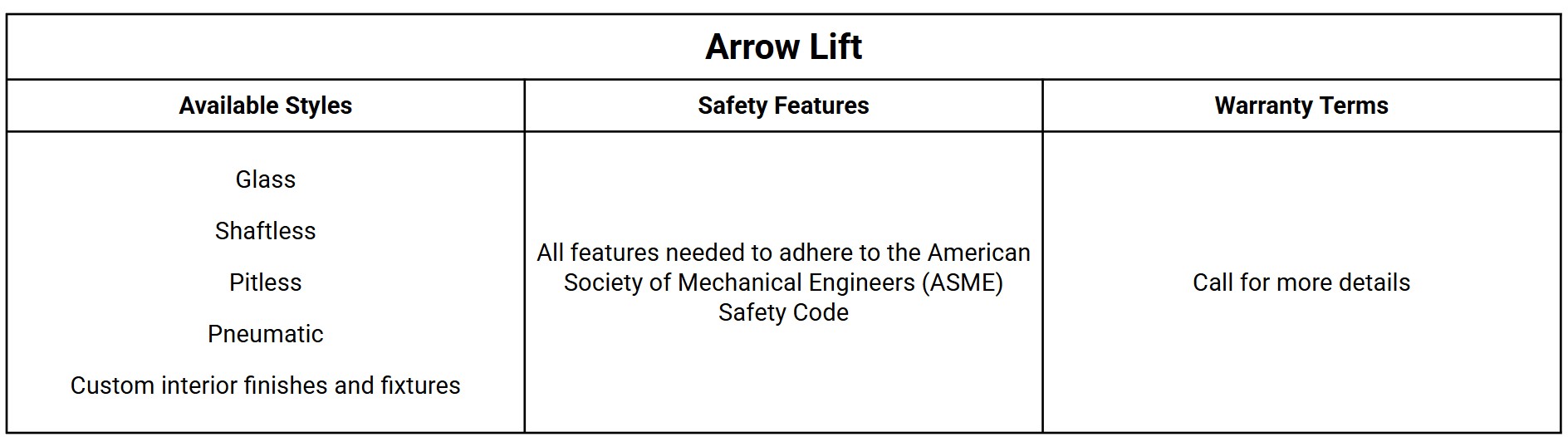
Numerous residential elevator companies are available nationwide, but Arrow Lift is one of the most competitive in the industry. The company’s cab designs add luxury and sophistication to any interior space. The extensive options match each client’s unique aesthetic preferences without compromising safety and engineering standards. Customers can choose from pitless, shaftless and pneumatic vacuum elevators to make their installation fit their home’s specific layout.
5. Stiltz
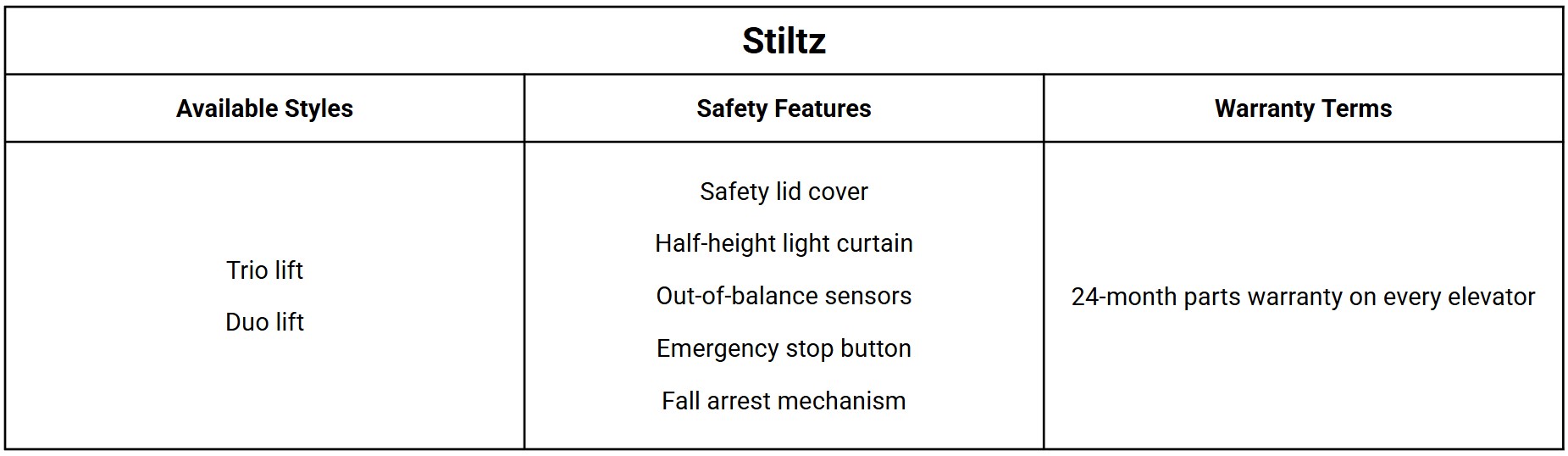
Stiltz elevators make life easier. The one-day residential elevator installations will not complicate any client’s schedule because the experienced team knows how to work within a variety of homes. Each elevator uses standard household outlets, simplifying the project. Construction teams and homeowners can quickly add one of the two elevator designs in areas of numerous sizes. Potential locations include closets, stairwells and rooms with sloped ceilings.
Criteria to Find the Best Home Elevators
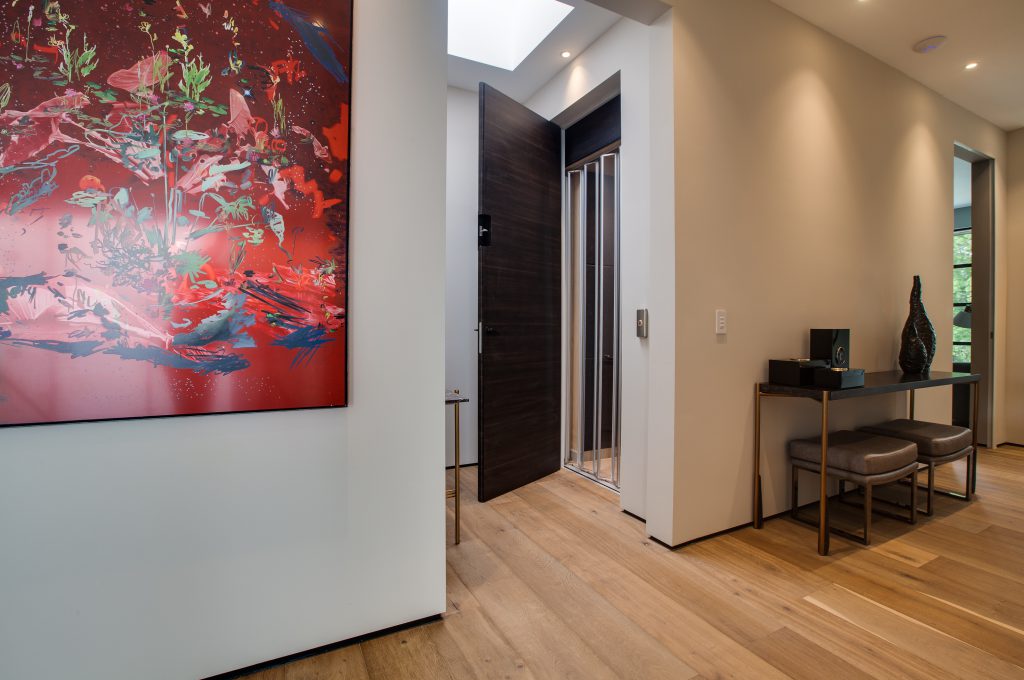
Image: Residential Elevators
Investing in space-saving home elevators is a significant decision. The extensive installation project will disrupt a client’s home routine, so everyone should feel confident that they have chosen the best elevator company as their project partner. Contractor teams should consider some leading criteria to choose a reliable brand, such as:
- Cabs in numerous styles
- Multiple safety features
- Extensive product warranty terms
- Design customization options
- Transparent quotes for home elevator costs
- Installation flexibility for unique home designs
A manufacturer that offers every essential factor will likely provide a reliable elevator for any client. Builders can always call potential companies for more information as needed.
Find the Best Home Elevator Brands in the U.S.

Homeowners do not need a significant amount of space to install a residential elevator. Builders can work with some of the leading companies to find cabs that match each homeowner’s style and space needs. No one should compromise their budget or safety preferences to get an elevator that enhances their quality of life at home.
FAQs
How Much Space Is Needed for a Home Elevator?
The space required for a home elevator depends on each cab’s specific design. A model needing a shaft and pit will require a bigger installation space than one created for smaller homes. Anyone curious about their house’s potential installation points can contact residential elevator manufacturers for personalized guidance.
What Is the Best Home Elevator for a Small House?
The best home elevator for a small house depends on the house’s specific measurements. However, homeowners may prefer a pneumatic or shaftless model because they are more compact than other models.
How Much Does It Cost to Put an Elevator in a House?
Homeowners can pay anywhere from $700 to $15,000 to install an elevator. The costs may increase depending on their cab selection and the work needed for their specific residential layout. Some companies may also offer discounts or flexible financing options.
Are Home Elevators Worth the Investment?
Home elevators are worth the investment for anyone wanting to age in place, get mobility assistance or make their house more luxurious. People who rent their property could also benefit from an installation. Renters may prefer a home with an elevator over other local options due to their own mobility needs or personal preferences for luxury.
Can a Home Elevator Be Installed in an Existing Home?
Home elevators can be installed in existing homes. Contractors should work with a manufacturer’s quote to estimate timelines and team needs. Some companies also insert ordered cabs, which could change installation expectations for professional builders.