

















Roofing conversations in Florida tend to center on one number — how many years until replacement — without much discussion of what actually drives that number up or down. Material choice matters, but so does how a roof was installed, how well it handles both wind and heat, and how consistently it gets inspected between the big storms that everyone remembers and the smaller wear-and-tear issues that don’t make headlines but add up over a decade.
Wind Rating Matters More in Florida Than Almost Anywhere Else
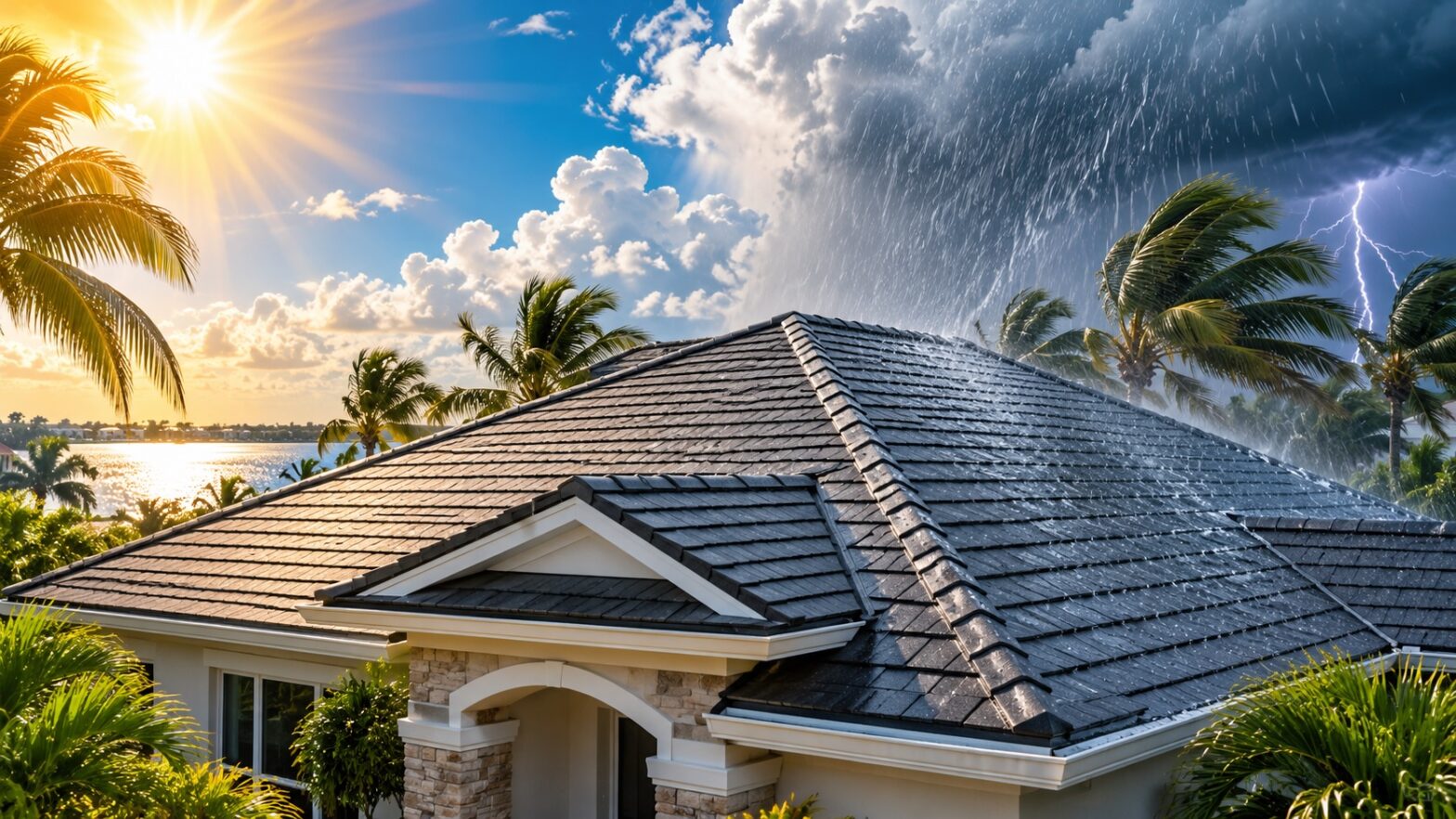
Every roofing material carries a wind uplift rating, and in a state that sees regular tropical systems, that number deserves more attention than it usually gets during a sales conversation focused mostly on appearance. Asphalt shingles rated for higher wind speeds use a different nailing pattern and adhesive strip than standard-grade shingles, and the difference in actual field performance during a storm can be significant even though both versions look identical sitting in a showroom display. Metal roofing and tile systems carry their own separate rating structures, and installation quality affects wind performance nearly as much as the material specification itself — a correctly rated shingle installed with the wrong nailing pattern doesn’t perform to its rated standard regardless of what the packaging says.
Companies doing roofing stuart fl homeowners rely on for storm-prone coastal properties typically walk clients through wind ratings as a standard part of a quote rather than an upsell, since the cost difference between a standard and a higher-rated system is usually smaller than people expect relative to the protection it buys during an actual weather event.
Heat Exposure Wears Down a Roof Long Before a Storm Does
Florida’s roofs spend far more time dealing with sustained heat than with any single storm event, and that daily heat cycling does its own kind of damage that’s easy to overlook. Dark asphalt shingles can reach surface temperatures well above the surrounding air temperature on a sunny afternoon, and that repeated heating and cooling cycle accelerates the breakdown of the asphalt binder over years, which is part of why the same shingle product often lasts noticeably longer in a cooler climate than it does under constant Florida sun.
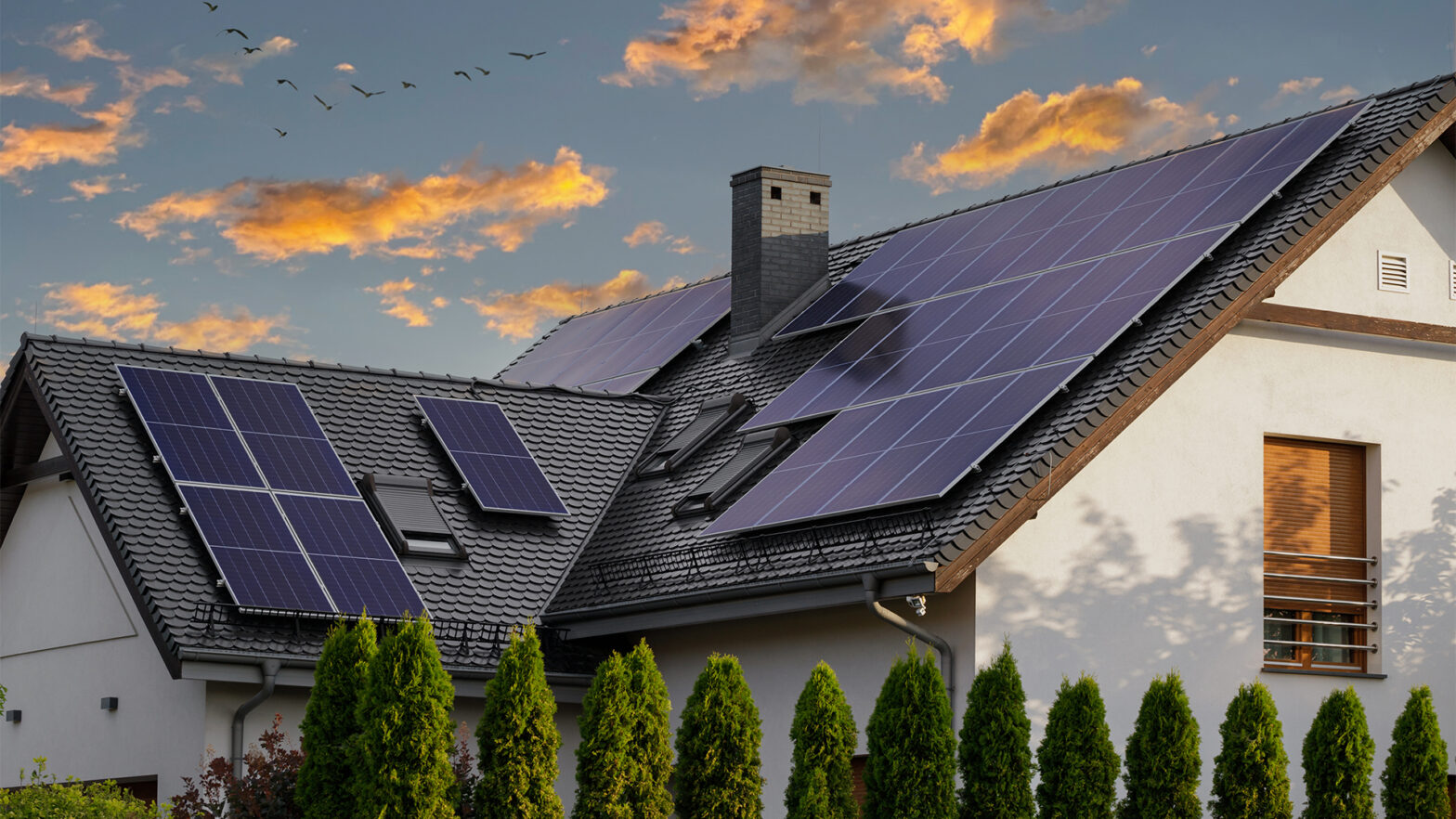
The Department of Energy’s guidance on reflective roofing lays out how a lighter-colored or reflective roof surface stays substantially cooler under direct sun than a dark conventional roof, which reduces both the cooling load on a building’s air conditioning system and the thermal stress the roofing material itself experiences over time. That second point gets less attention than the energy-bill savings, but it’s directly relevant to roof lifespan — a surface running cooler day after day simply degrades more slowly than one baking at a much higher temperature for the same number of hours.
Ventilation Problems Show Up as Roof Damage, Not Attic Damage
A poorly ventilated attic doesn’t just make the upstairs of a house uncomfortable — it shortens the roof’s actual service life from underneath, in ways that aren’t visible from the ground. Trapped heat and moisture in an attic space can warp roof decking and accelerate shingle deterioration from the underside, which means two roofs installed with identical materials on the same day can age at noticeably different rates if one sits over a well-ventilated attic and the other doesn’t. Soffit vents, ridge vents, and proper attic insulation all play into this, and it’s a detail that rarely gets discussed during a roofing quote focused entirely on the visible shingles.
Inspection Timing Determines Whether Damage Gets Caught Early or Found Expensive
Most roof damage doesn’t announce itself with a dramatic leak the first time something goes wrong. A lifted shingle edge, a small area of granule loss, a flashing seal starting to separate around a chimney or vent pipe — these show up as minor cosmetic issues long before they become an active leak, and a roof inspected on a regular schedule tends to catch these early enough for a cheap repair rather than a costly one. Post-storm inspections matter for obvious reasons, but the routine annual or biannual check, done regardless of whether a storm just passed through, is often what actually extends a roof’s practical lifespan rather than the storm response itself.
A Roof’s Real Lifespan Depends on More Than the Warranty Sticker
A manufacturer’s warranty number gets treated as a promise about how long a roof will last, when it’s really closer to a best-case estimate assuming ideal installation, ventilation, and maintenance conditions that don’t always match reality. Understanding which of those variables are actually within a homeowner’s control — inspection frequency, attic ventilation, prompt repair of minor issues — tends to matter more for a roof’s actual lifespan than which specific product ended up on the order form.