















If you are designing a new home, there are many decisions to make, from choosing where to place your kitchen, how many bathrooms you’ll need, and the fixtures to install. With so many considerations, plumbing can easily be overlooked.
If the plumbing is not appropriately planned, you may experience leaking, blockages, and expensive repairs in the future. It is important to consider the plumbing from the design stage to reduce the likelihood of future problems. Here are a few helpful tips.
Plan Plumbing Early
It is best to plan your plumbing during the early stages of construction to avoid any last-minute changes. Decide where you want your bathrooms, kitchens, laundry areas, and external taps. Having these details in place will help you determine the plumbing requirements for your home.
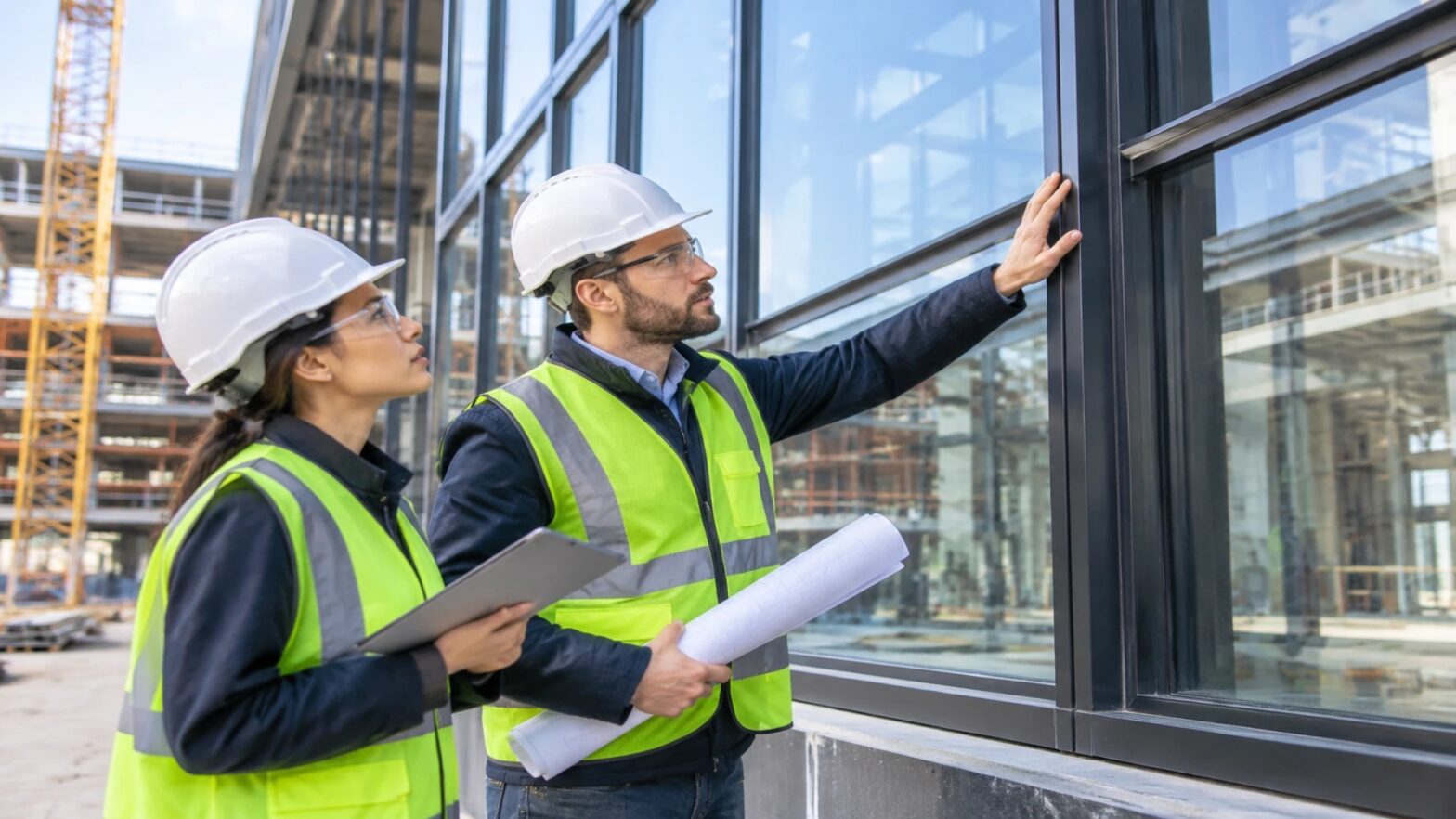
Speak to your architect and plumber early so that your plumbing requirement can be properly assessed. This gives everyone enough time to coordinate the layout, identify potential challenges during construction.
Employ an Experienced Plumber
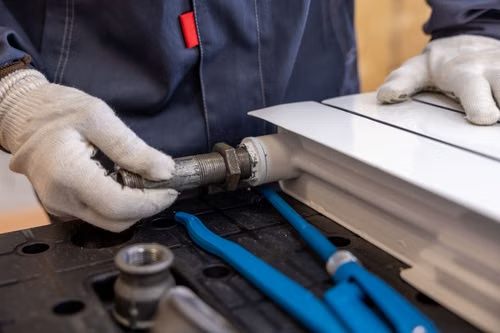
A poorly installed plumbing system can cause many hidden problems. Choose a plumber with experience in residential systems. They should be able to advise on pipe positioning, drainage, water pressure, and what materials to use.
Explore residential plumbing services to find professionals who can plan, install and connect your plumbing fixtures. Ask them about the work they have previously done, their qualifications, and how they deal with unexpected issues.
Be Strategic About Where You Place Bathrooms and the Kitchen
The layout of your house greatly influences the plumbing. For example, placing bathrooms close to each other can make it easier to connect water supply and drainage pipes. You can also consider positioning the kitchen near other areas that need plumbing. However, you should not compromise your home’s overall design just to simplify the plumbing. Instead, choose a layout for your household’s needs while allowing for efficient plumbing issues.
Choose Good Quality Pipes
Although saving money is important, choosing the cheapest piping materials is not always the best option. Low-quality pipe may crack, leak, or deteriorate prematurely. If they are installed inside walls or under flooring, repairing or replacing them can be difficult and expensive.
Ask your plumber which high-quality piping materials are used for your water supply and local conditions. Make sure the fittings and connections are compatible. Paying a slightly higher price for durable materials now can help you avoid costly repairs in the future.
Think About Your Household’s Water Needs
Make sure your home’s plumbing system can handle your household’s expected water demand. Consider how many people will live in the house, along with the number of bathrooms, sinks, showerheads, and water-using appliances. If multiple people need to shower or use water at once, the system should have enough capacity to maintain a reliable supply.
Consider water pressure, particularly for buildings on multiple stories. Depending on where you are building, and your water supply, you may require a cistern and pump. Speak to your plumber to determine which equipment and systems your home will require.
Endnote
Although plumbing may not seem like a major priority when designing your dream home, it plays an important role in your everyday comfort. A well-planned system can help prevent disruptions, leaks, and other plumbing problems.
Carefully plan your home’s plumbing layout, ensure that high quality materials are used, and have qualified professionals install your plumbing. Most importantly, making key decisions right from the start will help ensure your plumbing system meets your household’s needs for years to come.