













Modern property design is no longer just about creating attractive spaces. Today’s homeowners, renters and developers are looking for practical layouts that adapt to changing lifestyles, hybrid working and growing storage demands. As living spaces become more compact and multifunctional, flexible storage has become one of the most valuable features in contemporary homes.
From built-in solutions to external storage options, modern properties are increasingly designed with organisation and adaptability in mind. A well-planned storage strategy not only improves functionality but also helps properties feel larger, cleaner and more comfortable to live in.
Why Storage Matters More Than Ever
The way people use their homes has changed dramatically over the last decade. Spare rooms have become home offices, garages are now gyms or hobby spaces and open-plan living areas must serve several purposes at once. This shift has created greater pressure on storage within the home.
Without enough storage, even beautifully designed interiors can quickly become cluttered and impractical. Buyers and tenants are also paying closer attention to how efficiently a property uses space. Hidden cupboards, modular shelving, under-stair storage and multifunctional furniture have become highly desirable features because they help maximise every square foot.
Flexible storage also supports long-term living. Families grow, hobbies evolve and lifestyles change over time. Properties that can easily adapt to these changes often remain functional for much longer without requiring expensive renovations.
The Rise of Multifunctional Spaces
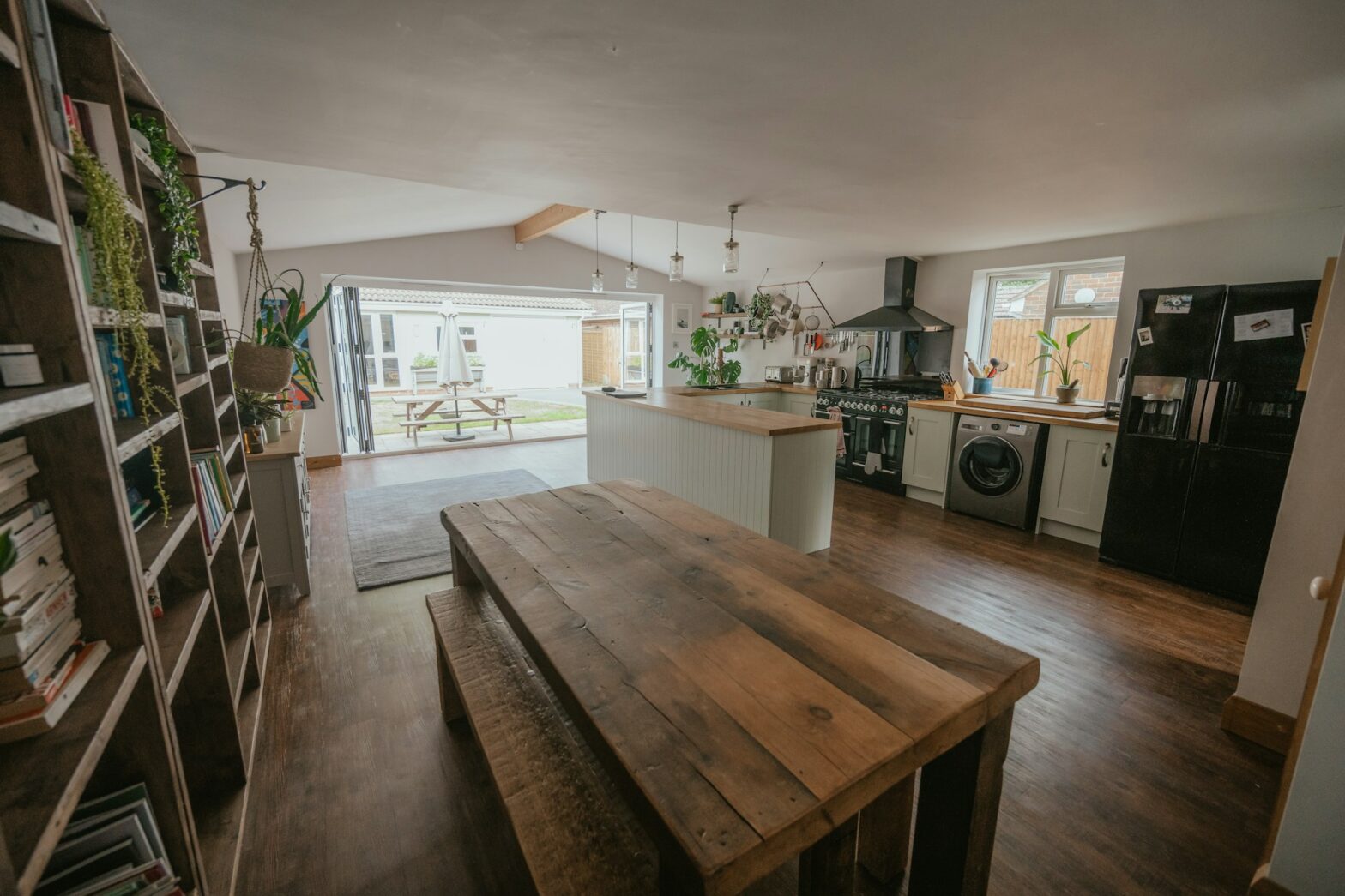
Modern homes are increasingly designed around flexibility. Rather than dedicating each room to a single purpose, designers now create spaces that can evolve throughout the day. A dining table may double as a workspace, while a guest bedroom may also function as a fitness area or creative studio.
Storage is what makes these multifunctional spaces possible. Clever design allows items to be hidden away when not in use, helping rooms transition seamlessly between different functions. Fold-away desks, built-in cabinets and modular storage systems are all examples of how design and practicality now work together.
This approach is especially important in urban environments where space is limited and property prices remain high. Homeowners want layouts that feel open and spacious without sacrificing practicality, making storage a central part of modern architectural planning.
Supporting Minimalist Interior Design
Minimalist interiors remain incredibly popular because they create calm, open and visually appealing living spaces. However, maintaining a minimalist look requires effective storage behind the scenes.
Contemporary property design often incorporates hidden storage solutions that preserve clean lines and uncluttered interiors. Floor-to-ceiling cabinets, concealed wardrobes and integrated kitchen storage allow homeowners to keep everyday items accessible without overcrowding the room.
For those living in smaller homes or apartments, external solutions such as London self storage can also provide additional flexibility when seasonal items, furniture or personal belongings need to be stored safely outside the home. This allows residents to maintain spacious interiors without permanently parting with valuable possessions.
Flexible Storage and Sustainable Living
Storage also plays a growing role in sustainable property design. Flexible storage encourages people to make better use of the belongings they already own rather than replacing items unnecessarily. Organised homes reduce waste, improve efficiency and support more mindful consumption habits.
Properties with adaptable storage systems are also less likely to require major redesigns in the future. Instead of moving house when circumstances change, homeowners can often reconfigure their existing spaces to suit new needs. This reduces material waste and lowers the environmental impact associated with renovations and relocations.
Developers are increasingly recognising this demand for sustainable practicality. Modern residential projects now frequently include integrated storage solutions as part of their core design strategy rather than as an afterthought.
The Future of Property Design
As cities continue to grow and living spaces become more versatile, flexible storage will remain a defining feature of modern property design. Buyers and renters are no longer focused solely on aesthetics. They want homes that support convenience, organisation and long-term adaptability.
Architects and designers are responding by creating smarter layouts that maximise usability while maintaining stylish interiors. Whether through multifunctional furniture, built-in cabinetry or external storage support, flexible storage solutions are helping modern properties meet the demands of contemporary life.
In many ways, storage has evolved from a practical necessity into a core design principle. The most successful modern properties are not simply the ones with the most space, but the ones that use their space most effectively.