


















- More than 1 in 5 Brits (22%) say their kitchen worktops are cluttered or overflowing with appliances and gadgets
- Nearly one in five say waking up to clutter makes them feel stressed or anxious
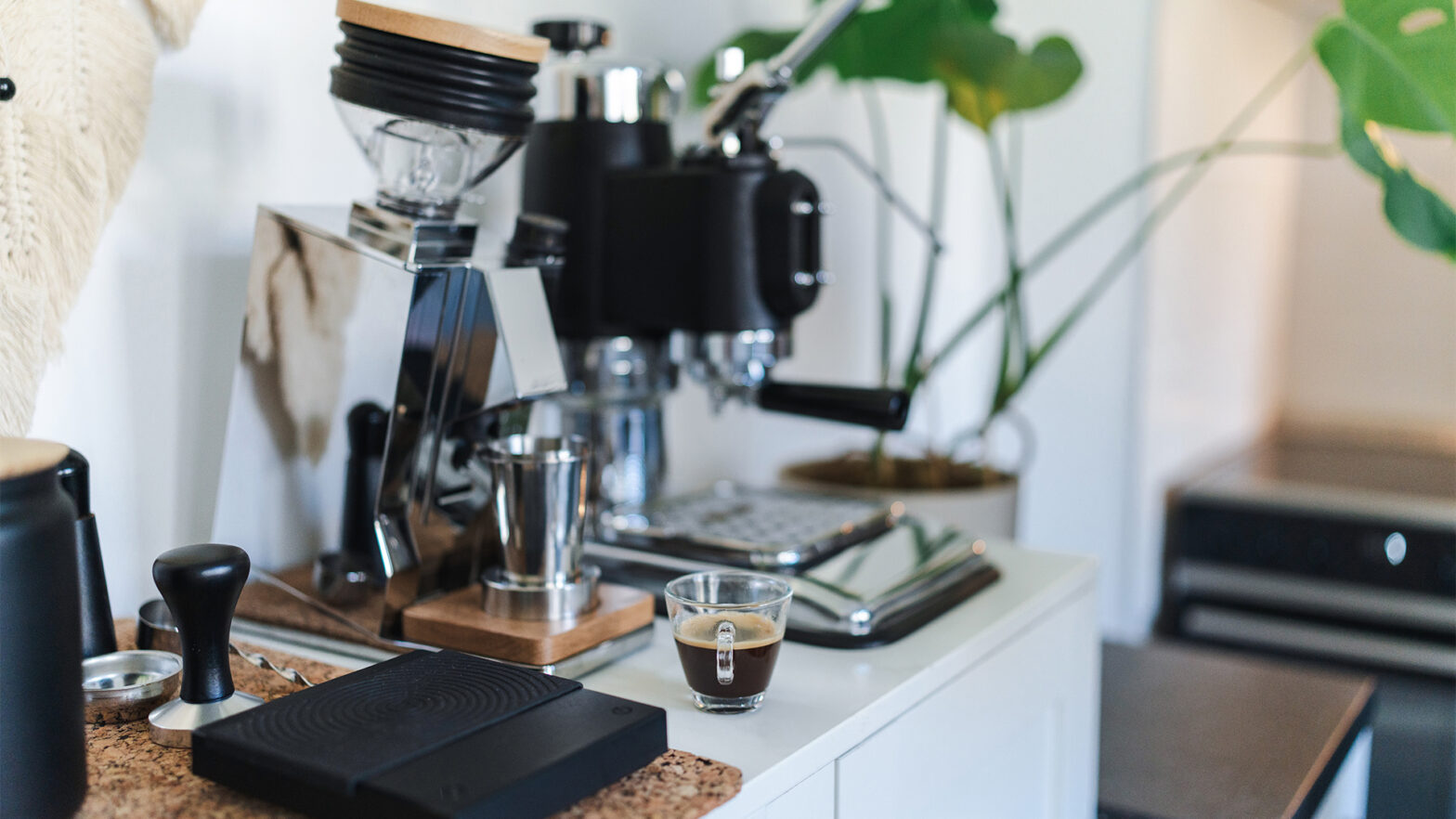
- 15% of Brits would choose a dedicated coffee corner or home barista station for their dream kitchen
- Nespresso spoke to Professional Chef, Simon Ball, on how to apply the principles of the professional kitchen to your home
- Joana Passeira, Head of Coffee Expertise at Nespresso shares how to create the perfect coffee corner
Britain’s kitchen worktops are reaching capacity, with new research from Nespresso revealing that more than 1 in 5 Brits (22%) say their counters are cluttered or overflowing with appliances and gadgets.
And a lack of space is influencing what people buy. More than a quarter (26%) have put off purchasing a new appliance because they simply don’t have the worktop space, while 25% report limited storage and 17% have avoided a purchase over fears it would create even more clutter.
To find out how Brits can make their kitchens work harder, whatever the size, Nespresso spoke to professional chef Simon Ball and interior designer Tamsin Holland to reveal the industry tricks that can help to create a calmer, more organised and stress-free kitchen.
Kitchen clutter is affecting more than just worktop space
The research reveals that kitchen clutter can have an impact on how people feel at home.
Nearly 1 in 5 Brits say waking up to clutter makes them feel stressed or anxious before the day begins, while 18% admit to feeling guilty or frustrated when they see unfinished mess. A further 12% say visual clutter negatively affects their mood and ability to focus.
Women are particularly likely to feel the effects of kitchen clutter, with 21% saying it makes them feel stressed, compared with 14% of men.
Professional chef, Simon Ball, explains that many of the organisational principles used in professional kitchens can also be applied at home to make everyday routines more efficient.
Simon said: “From a chef’s perspective, an organised kitchen is the foundation of efficiency, safety and effective cooking. Knowing exactly where everything is saves time, reduces stress and transforms cooking from a chore into a pleasure.
“Small, considered changes like keeping worktops clear and storing frequently used items within easy reach of where you’ll actually use them can make a remarkable difference to how a kitchen feels and functions.
“Homeowners can apply the very same principles used in a professional kitchen by dividing their space into dedicated zones based on the tasks they perform most often: food preparation, cooking, cleaning and storage. Keeping the tools, equipment and ingredients for each task within their respective zones creates a far more intuitive workflow and eliminates unnecessary movement.
“Regardless of kitchen size, this approach maximises every inch of available space and makes everyday cooking a smooth, stress-free experience.”
3 ways to restore order to your cluttered kitchen
1. Clear the worktops entirely
Simon said: “Clear the worktops entirely, reserving those surfaces for food preparation rather than storage.”
2. Organise your kitchen into distinct zones
Simon said: “Organise the space into distinct zones for preparing, cooking, and cleaning, creating a workflow that feels natural rather than forced.”
3. Declutter cupboards and drawers
Simon said: “Declutter cupboards and drawers so that only frequently used items are genuinely easy to reach.”
Together, these adjustments make the kitchen considerably easier to maintain, and will encourage you to prepare food at home more often.
The rise of the home coffee corner
Coffee is becoming more than simply a drink for many Brits, with the research revealing how important the at-home coffee experience has become.
More than half of Brits say the coffee they serve to guests is important to them, with many enjoying the opportunity to offer personalised drinks and recreate cafe-style experiences at home.
This trend is particularly prominent among millennials, with 57% saying the coffee they serve to guests matters to them. The generation is also the most likely to recreate cafe-style experiences at home, suggesting that coffee is becoming an increasingly important part of how people host and entertain.
Tamsin Holland, interior design expert at Paula Rosa Kitchens, explains that creating a dedicated space for coffee can have both practical and well-being benefits.
Tamsin said: “A dedicated coffee corner is a small design feature which can have a surprisingly big impact. It removes the need to move appliances around and rifle through cupboards for utensils.
“Not only does it streamline your daily routine, but a space dedicated solely to the pure pleasure of enjoying an at-home coffee is a perfect example of the growing trend of ‘mindful kitchens’, spaces thoughtfully zoned to create calmer, more considered environments which enable us to slow down and focus on the enjoyment of a single moment, transforming making a coffee from a simple task into a daily ritual.”
Today’s coffee rituals need more than a kettle and a mug
As at-home coffee habits become more sophisticated, the equipment and ingredients needed to recreate coffee shop favourites can quickly take over valuable kitchen space.
The research found that more than one in five coffee drinkers (21%) have experimented with flavoured syrups and seasonal drinks at home, while 13% have tried making dessert-inspired coffees.
A further 11% have experimented with functional coffees containing supplements, while 9% have made layered, aesthetic iced coffees.
As coffee routines become more elaborate, Simon says giving everyday items a dedicated home can help keep kitchens organised.
Simon said: “When every item has a designated home and is returned there after use, it becomes effortless to find what you need, keep worktops clear and maintain a space you genuinely like being in. It’s a simple habit that makes a big difference.”
Four expert tips for creating a coffee corner at home
Whether it is a fully fledged home barista station or a compact coffee setup in a small kitchen, Joana Passeira, Coffee Ambassador at Nespresso, shares four ways to create a functional and inviting coffee corner.
1. Select the right location
Joana said: “The foundation of a great coffee corner is its location. Look for a well-lit area, ideally near natural light, where the ritual feels inviting rather than tucked away.
“If worktop space is limited, don’t be afraid to think beyond the counter. A moveable trolley, slim sideboard or unused corner can become a dedicated coffee zone without sacrificing prep space.”
2. Curate the essentials
Joana said: “One of the biggest mistakes people make is treating their coffee corner like permanent storage. Clutter builds when every coffee pod, mug and accessory is kept on display.
“Instead, think seasonally. Keep only your everyday favourites visible and rotate other items throughout the year, much like a café changes its menu.”
3. Make use of vertical space
Joana said: “A beautiful coffee corner shouldn’t compete for valuable worktop space. Looking upwards is one of the easiest ways to create a station that feels spacious and organised.
“Wall hooks for mugs, slim shelves and vertical capsule storage all help free up room while turning everyday essentials into part of the design.”
4. Personalise the experience
Joana said: “Once you’ve organised the practical elements, focus on adding personality. A small plant, a framed print, a favourite cookbook or even a scented candle used later in the day can make the area feel much more inviting.”
As kitchen counters become increasingly crowded, the findings suggest that creating dedicated zones could help bring order back to everyday routines.
Whether it is a simple tray containing favourite mugs and coffee essentials or a fully fledged home barista station, giving coffee its own dedicated space can help reduce clutter, streamline morning routines and turn an everyday habit into a moment to enjoy.