









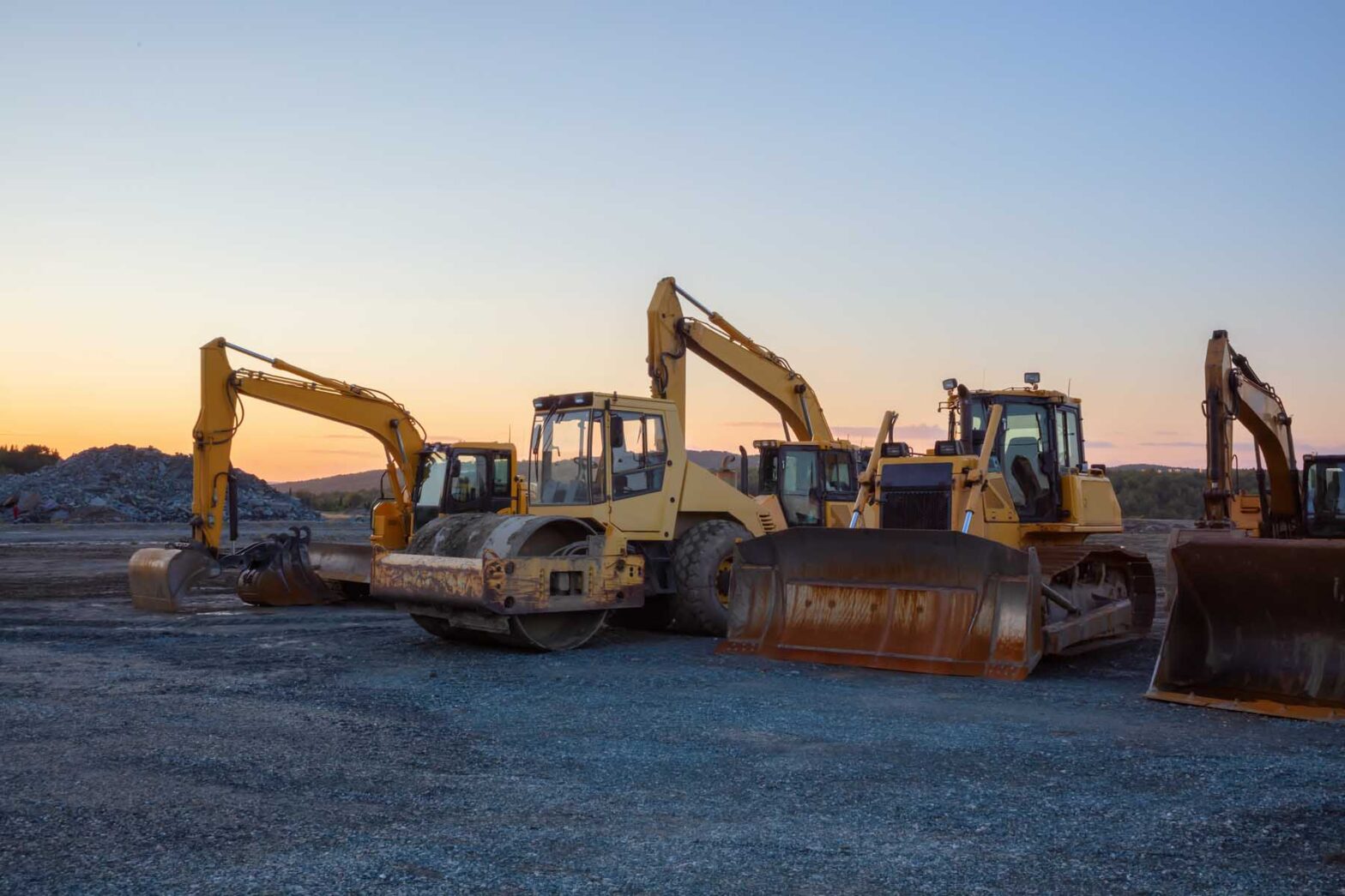











A construction schedule can tell you, almost to the day, when the concrete was late. It can tell you when the steel ran behind and when the revised drawings landed. What it usually cannot tell you is how many days a site waited for an excavator that had been promised for Monday.
That gap is not carelessness. Hired plant sits in an awkward place in project records. Materials come with purchase orders and delivery dockets. Labour comes with timesheets. Equipment hire is often booked by phone or email, confirmed informally, and arranged by a site supervisor rather than a procurement team. When the machine does not arrive, nothing in the system breaks. A few businesses have started moving that booking step onto platforms such as Quotor, an Australian marketplace for construction equipment hire, partly because a booking made there at least leaves a timestamped record that a phone call does not.
Why Plant Falls Through the Cracks
Most inputs to a project have an owner. The quantity surveyor tracks materials against the bill of quantities. The project manager tracks labour against the plan. Plant is different. It is needed for a few days or a few weeks, then it goes back. It rarely appears as a line in the master schedule, because the schedule lists activities such as excavation or piling, not the machines behind them.
So the dependency exists on site but not on paper. On paper the activity is simply “excavate basement”, and nobody owns the question of whether the machine will be there on the morning the crew arrives.
Part of the reason is habit. Plant hire grew up as a relationship business: a supervisor, a trusted depot, a phone number and a handshake agreement. That works well when the depot has spare machines. It works less well when it does not, because a verbal booking leaves both sides free to remember it differently, and neither has anything to point to.
Where the Delay Actually Goes
When a machine is late, the crew does not stop working in any way a log would notice. They resequence. They move to a different area, do some preparatory work, or stand around for half a day. The entry in the site diary then says “access issues”, “weather” or “resequenced works”, or says nothing at all.
The cause gets recorded as something else, so the pattern never appears. Over a project the effect compounds. Resequenced work often means a trade turns up to find an area not ready, or an inspection has to be rebooked, so one late machine can become a chain of small knock-on delays, none of which point back to the original cause. The delay is real, but it is filed under another heading.
Why It Matters More When the Market Is Busy
When several large projects draw on the same pool of machines at once, waits get longer and less predictable. Housing, roads, rail, energy and data centre builds all use similar excavators, cranes and loaders, and a machine committed to one site cannot be on another. But a contractor who loses two days on each of six jobs does not see a plant availability problem. They see six unrelated bad weeks.
Without records, there is nothing to negotiate with. You cannot build realistic contingency into a tender, and you cannot tell which equipment hire supplier or depot is reliable and which one keeps its promises only when demand is low. Suppliers, for their part, have little reason to change. A complaint that a machine came late is one person’s recollection against another’s, and it is easy to dispute.
What a Plant Delay Log Needs
It does not need software. Four columns in the site diary are enough: the date the machine was requested, the date it was promised, the date it arrived, and what the crew did in the gap.
Two extra details make the log far more useful. First, note who was told and how, whether that was a call, a text or an email. Second, note the cost of the wait, even roughly, in crew hours and in any other equipment left standing idle. The figure does not need to be exact to be persuasive. An entry reading “excavator promised Monday, arrived Wednesday, four-person crew resequenced for two days” is something a project manager can act on and a supplier cannot easily wave away.
Who keeps the log matters less than keeping it consistently. The site supervisor who made the booking is usually best placed to fill it in, since they know when the machine was promised and what the crew did instead. A weekly glance from the project manager is enough to spot a pattern early.
What Changes Once the Data Exists
After a few months of entries, the conversation shifts. Procurement can ask for firmer commitments on the machine types that cause the most waits, or book earlier for the months that run tightest. Planners can add plant as an explicit dependency on activities where a late machine would stall the critical path. Tender teams can price a realistic allowance instead of treating hire as frictionless.
The records also help when things go wrong. Extension-of-time claims need evidence of cause and effect, and “plant arrived late” is hard to support when nothing was written down at the time. A contemporaneous log, even a simple one, is far stronger than a reconstruction after the fact.
Counting What Gets Counted
Plant delays are not the main reason projects run late, and nothing here suggests otherwise. Design changes, approvals, weather and cash flow all take their share. A site that tracks plant waits will not suddenly finish early. But plant waits are one of the few causes that currently go unmeasured, and measuring them costs almost nothing: a few columns in a diary and the habit of filling them in. Equipment belongs in the delay log alongside materials and labour.