






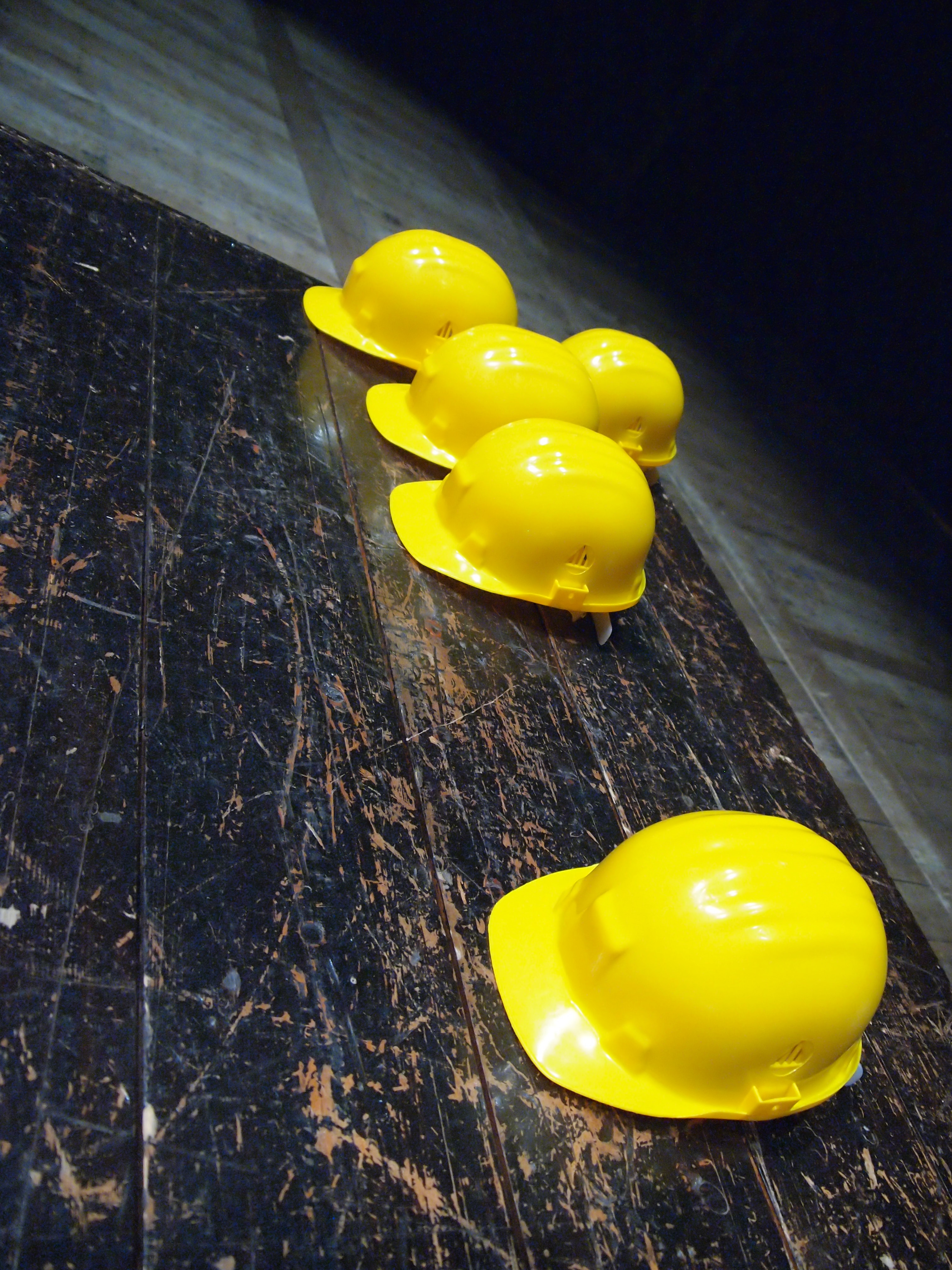













American culture spent decades treating the trades as a fallback, something to do if college did not work out. The framing was always wrong, and it is now collapsing visibly under two facts: skilled technicians are in short supply, and skilled technical work pays and endures in ways many degree-dependent careers do not.
What the trades still need are employers who treat technician work as a career to build rather than a job to fill. Right Now Heating and Air Conditioning, a Boise-based residential home services company founded in 2001, provides a documented case of what that looks like in practice.
A Career Path, Not Just a Job
Structure is the difference between a job and a career. A job has tasks. A career has stages, and each stage teaches something the next one requires. The natural stages in the residential trades are easy to see: an apprentice learns alongside experienced hands, a technician works independently and earns certifications, a senior technician handles complex diagnostics and mentors newcomers, and some eventually move into management or specialized roles.
The ladder exists in theory everywhere. What varies is whether an employer builds the rungs. Most don’t.
Building rungs means paying for training time, funding certifications, arranging mentorship, and promoting from within instead of hiring over existing staff. Every one of those choices costs real money in the short term. Companies make them anyway once they realize retention is cheaper than turnover, and that the technicians most worth keeping are the ones who want to grow.
Retention data across service industries tells a consistent story. People leave jobs that go nowhere and stay in careers that visibly advance. In the trades, where a company’s product gets delivered by whoever shows up at the customer’s door, turnover costs more than accounting can capture.
Every departure walks out carrying training, customer familiarity, and hard-won judgment; a replacement will need years to rebuild. Employers who see this stop asking how cheaply they can staff a route and start asking how long they can keep a good technician growing.
How Right Now Heating and Air Conditioning Structures Growth
Right Now Heating and Air Conditioning runs its own Training Academy and puts technician training and professional development at the center of its operations, according to its published overview.
Rather than leaning solely on outside credentials, the company develops technicians directly, supplementing internal instruction with industry certifications, safety initiatives, and apprenticeship programs.
The company describes this as supporting skilled trades careers through apprenticeship programs and growth opportunities, with the explicit aim of developing the next generation of skilled trades professionals. The generational language is worth noticing. It frames training as a responsibility to the trade itself rather than a staffing tactic, an acknowledgment that every experienced technician was once somebody’s apprentice and that the chain breaks unless companies keep forging links. Nobody arrives at the trade fully formed.
Structure also shows up in the breadth of what a technician can learn there. Right Now Heating and Air Conditioning serves homeowners in Boise and across Idaho with heating, air conditioning, plumbing, and electrical services, along with indoor air quality work, preventive maintenance programs, and emergency response.
For a technician, a multi-trade employer is a wider classroom, offering exposure to more systems, more failure modes, and more paths for specialization than any single-trade shop can. That range compounds.
Why Values Shape Careers
Career development is as much a matter of culture as programs, and culture is shaped by what a company says it values and then rewards. Right Now Heating and Air Conditioning names four core values in its public materials.
One, Be an Asset, Own Your Zone, pushes every team member to take initiative, solve problems, and own outcomes. That is career advice in the costume of a value, because organizations promote people who own outcomes.
Another, Win Together with Integrity, ties advancement to honesty, accountability, and teamwork, the choice of the hard right over the easy wrong. In a field where technicians work unsupervised inside customers’ homes, integrity is not an abstraction. It is the daily substance of the work, and a company that screens for it and develops it is building careers customers can trust. A third, Keep It Gritty, admits plainly that the trades are hard physical work, which makes for honest recruiting in an era when plenty of employers oversell comfort.
The fourth, Humans Are More Important Than Hardware, applies inward as much as outward. A company that says people matter more than equipment is making a claim about its own payroll, not just its customer service. Whether any company lives its values perfectly is beyond what an outside observer can verify, but a Training Academy, funded certifications, and apprenticeship programs are the kind of structural evidence that gives written values weight.
The company’s veteran-operated character also bears on careers. Military organizations are, among other things, enormous training and promotion systems built on the assumption that people get developed rather than found.
Leadership formed inside that system tends to bring that assumption with it: recruits are potential, sergeants were once privates, and the institution’s job is to run the escalator. Applied to a trades company, that outlook produces the structures documented here: an academy, apprenticeships, and advancement from within.
What Career Building Means Beyond the Company
The benefits of technician career-building do not stop at the company’s door. Homeowners benefit because experienced, certified technicians diagnose more accurately and repair more durably than a revolving cast of short-term hires.
Communities benefit because stable trade careers anchor households, are local by nature, resist offshoring, and remain productive for decades. The industry benefits because every company training apprentices is restocking a talent pool the whole field draws from.
There’s a quieter effect on the trades’ reputation, too. Every visible example of a technician who started as an apprentice and built a durable career pushes back on the outdated idea that the trades are a dead end. Companies publicizing their training pathways are recruiting for the entire profession, whether or not that is their intent.
Right Now Heating and Air Conditioning marked its twenty-fifth year in business in April 2026, which means some of the technicians it trains today will spend their careers at a company older than they are. That is what career-building looks like once it compounds: an institution durable enough to promise a future, and a documented record of investing in the people expected to deliver it. The trades do not need slogans about the dignity of work. They need employers who structure the work so dignity, skill, and advancement come standard. The example examined here suggests that model is alive in Idaho.