
















Your backyard deck used to demand a weekend of sanding, scraping, and staining every single spring just to keep splinters at bay. Thanks to polymer-capped composite lumber, concealed clip fasteners, and powder-coated aluminum railings, your outdoor space can now function as a decades-long architectural feature rather than a high-maintenance chore.
When you combine smart material science with rock-solid structural framing, you eliminate the weak points that cause traditional wood platforms to warp and fail. Understanding what goes beneath your boards is the real secret to building a quiet, safe, and low-maintenance deck.
How Do Modern Decking Materials Compare?
Choosing the right surface board comes down to balancing upfront installation costs against long-term upkeep and weather resistance.
If you live in Plainfield, Indiana, you also need to consider how freezing winters, summer humidity, and seasonal temperature swings affect different decking materials. Consulting a custom deck builder in Plainfield can help you compare suitable board options and framing designs based on these local conditions. Understanding how different materials respond to Midwest weather makes it easier for you to choose a deck surface that maintains its appearance and structural integrity over time.
Capped Composite Lumber
Polymer-capped boards wrap a recycled wood-and-plastic core in a tough synthetic shell on three or four sides. Data from MarketsandMarkets indicates that the capped segment is projected to grow fastest across the global composite decking market because homeowners prioritize superior weather resistance and minimal upkeep over uncapped alternatives. You never have to seal or paint these boards, and simple soap-and-water washing keeps them looking sharp.
Tropical Hardwoods and Traditional Cedar
Exotic hardwoods like ipe offer incredible density and natural rot resistance, while western red cedar brings classic warmth and a lower initial price tag. Both natural woods still demand regular oiling to prevent graying, and cedar remains vulnerable to dents, scratches, and surface checking as it ages.
- Capped composite boards: Offer a 25-to-50-year lifespan with zero staining, complete splinter resistance, and broad color consistency.
- Tropical hardwoods: Deliver unmatched natural hardness and longevity, though they require pre-drilling for every screw and annual UV-oil treatments.
- Traditional cedar: Costs less upfront and stays cool in direct sun, yet requires frequent sealing to stop moisture absorption and splintering.
Why Does Structural Framing Matter Most for Composite Decks?
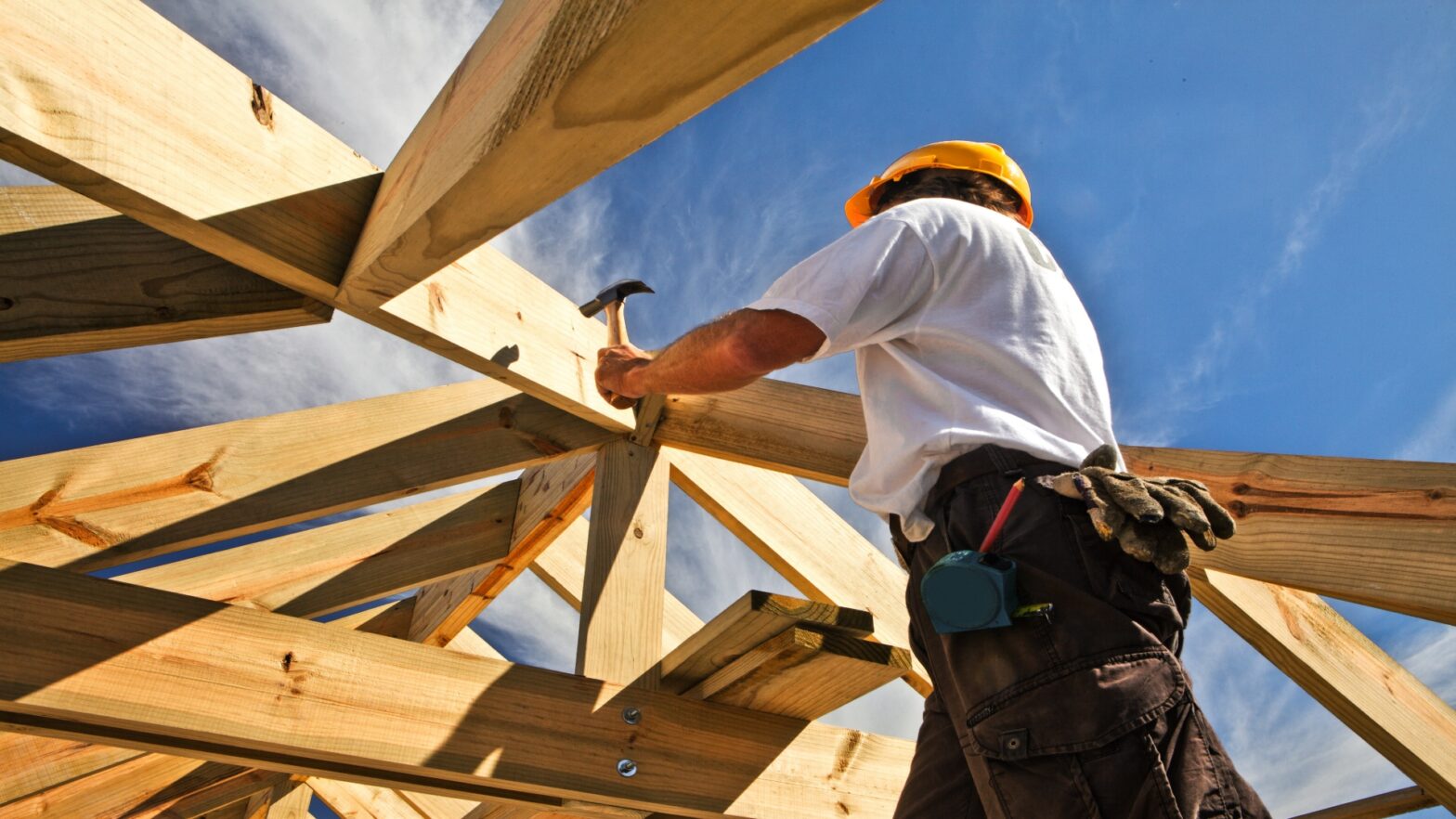
Capped composite boards will easily outlast the wood skeleton underneath them if you cut corners on the substructure. You need a frame engineered to resist ground movement, moisture intrusion, and deflection over several decades.
Below-Frost-Line Concrete Piers
Seasonal freeze-thaw cycles push shallow footings upward, which twists your framing and pops fasteners loose. Digging concrete piers well below your local frost line anchors your entire structure in stable soil that never heaves during winter. According to GovCodex, the International Residential Code relies on locally established climatic criteria rather than a single national frost depth standard, so checking your municipal requirements is the critical first step.
Corrosion-Resistant Ledger Flashing
Water trapped between your house siding and the deck ledger board leads to hidden structural rot and dangerous detachment. Proper flashing directs rainwater away from your home’s framing and keeps the connection dry.
Protecting the House Envelope
Install self-adhering waterproof membrane tape over the ledger board and top of the joists before laying a single surface board. Pair this barrier with heavy-duty galvanized or stainless steel ledger flashing tucked behind your siding so moisture sheds cleanly onto the exterior wall.
Tighter 12-Inch Joist Spacing
Composite lumber is slightly more flexible than dimensional pine, meaning wide spans can create a noticeable bounce underfoot. Reducing your joist spacing from the standard 16 inches down to 12 inches on center eliminates springiness and prevents boards from sagging during hot summer afternoons.
What Makes Hidden Fasteners and Aluminum Railings Better?
Driving face screws straight through your deck boards creates thousands of tiny holes where rainwater pools and damages the board core. Hidden clip systems slide neatly into pre-grooved edges along the sides of your composite planks, locking them tightly to the joists while leaving the walking surface completely smooth.
Pairing those clean, fastener-free boards with powder-coated aluminum railings removes the last major maintenance headache on your deck. Aluminum never rusts, peels, or wobbles like aging wood balusters, and its slim profiles open up your sightlines to the yard beyond.
How Can Custom Geometry Upgrade Your Outdoor Space?
Thoughtful layout upgrades turn a basic rectangular platform into an architectural extension of your home. You can use subtle framing adjustments to boost both visual appeal and everyday usability.
Picture-Frame Borders and Breaker Boards
Running a contrasting perimeter board around the outer edge of your deck hides the cut ends of your field planks for a tailored, furniture-grade finish. Adding a perpendicular breaker board down the center of wide decks eliminates ugly butt joints where two boards meet end-to-end.
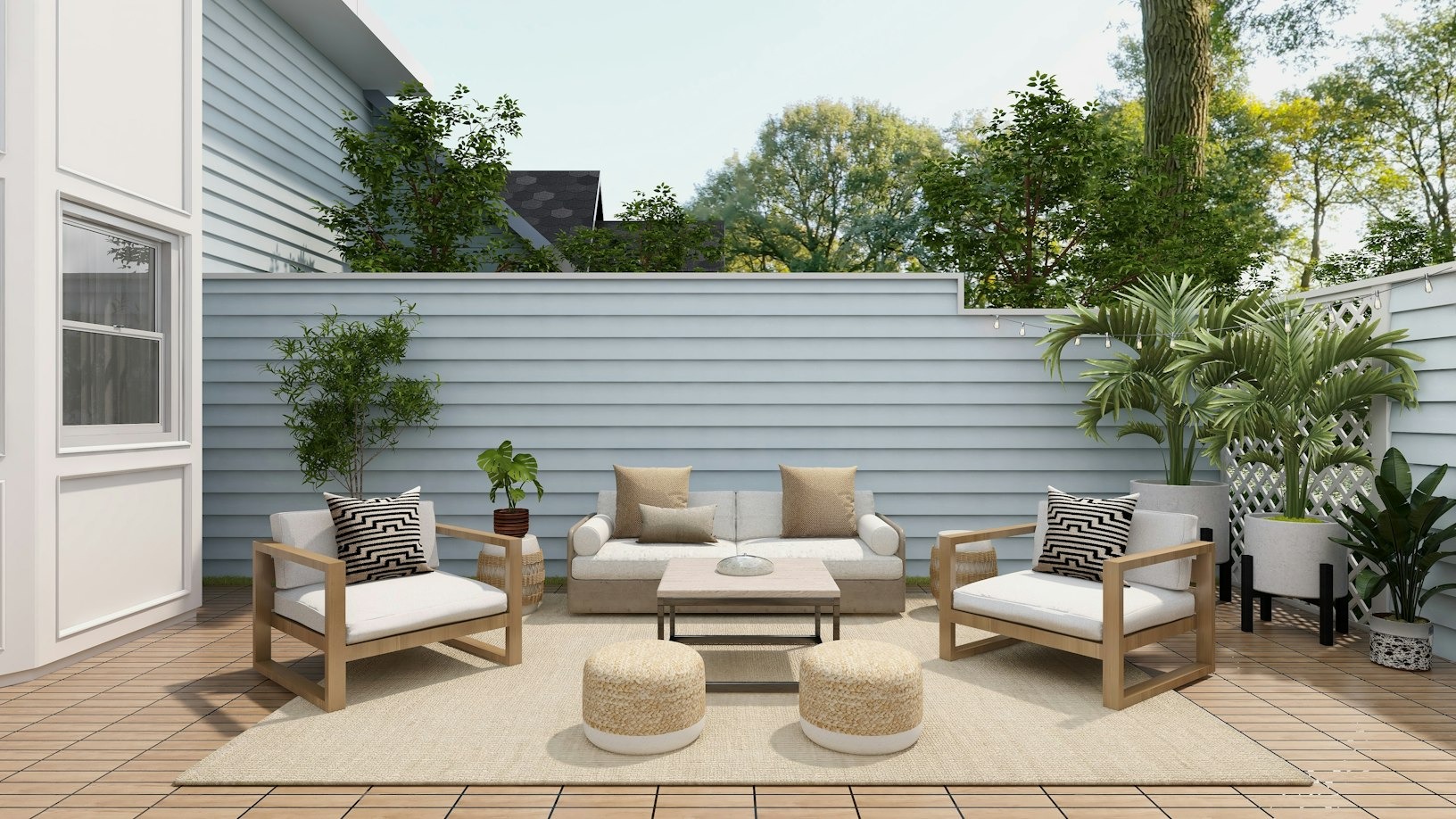
Combining code-compliant structural framing with modern low-maintenance materials gives you a safe, splinter-free outdoor space built to last. By focusing on deep footings, tight joist spacing, and capped composite surfaces now, you trade endless weekend maintenance for decades of effortless backyard relaxation.