













A home renovation should do more than make your space look better. It should also make everyday living easier and leave you with rooms that still feel practical and appealing years down the line. That means thinking beyond the latest interiors trend and paying close attention to layout, materials, storage and the smaller details that bring everything together.
With the right approach, you can create a home that feels stylish without sacrificing durability or functionality.
Choose Materials with Longevity in Mind
One of the most important parts of any renovation is choosing materials that can cope with daily wear. Busy areas such as kitchens, hallways and bathrooms need surfaces that are practical as well as attractive.
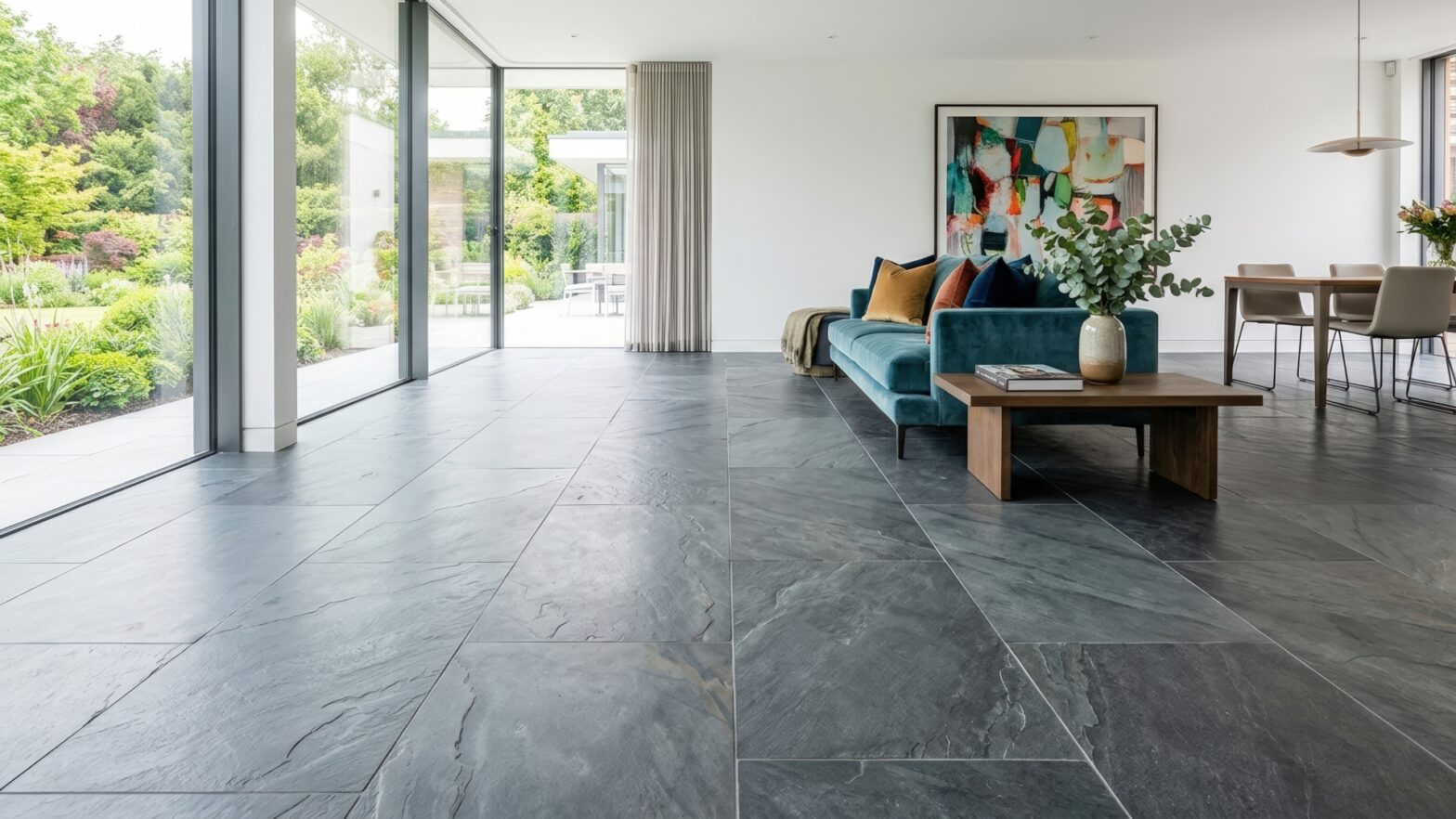
Natural materials can be a particularly good choice when you want to combine character with durability. For example, tiles made of limestone can bring warmth and texture to a room while offering a timeless appearance that works with both traditional and contemporary interiors.
It is also worth considering how materials will age. Some finishes become more attractive as they develop natural variations over time, whereas others may quickly show scratches, stains or signs of heavy use.
Think About How You Really Use Each Room
A beautiful room is not much use if the layout makes everyday life difficult. Before making design decisions, think carefully about how each space will actually be used.
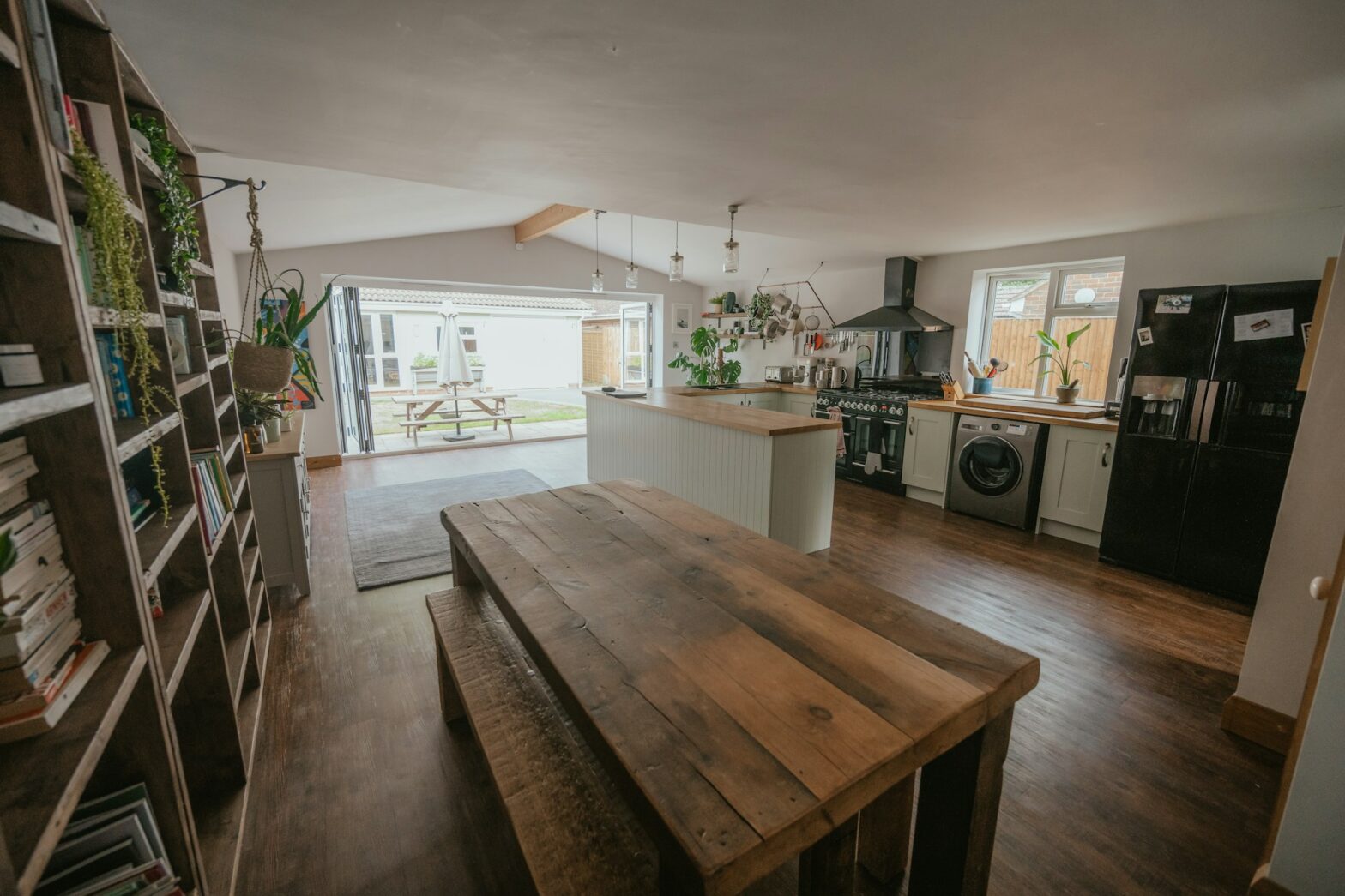
In the kitchen, this could mean creating enough worktop space and positioning storage close to food preparation areas. In a living room, consider how people move through the space and whether furniture placement allows for comfortable conversation.
Thinking about practical habits early in the renovation process can help you create rooms that feel intuitive rather than awkward.
Invest in Good Storage
Clutter can quickly undermine even the most stylish interior. Built-in storage, fitted wardrobes and cleverly designed cupboards can keep belongings organised without taking over the room.
Look for opportunities to use overlooked areas, such as the space beneath stairs, alcoves or awkward corners. Designing storage as part of the renovation, rather than adding it afterwards, can help it feel like a natural part of the property.
Use Trends Carefully
Interior trends can provide plenty of inspiration, but building an entire renovation around the latest fashion can be risky. Colours, patterns and styles can change quickly.
Consider using timeless materials and neutral foundations for the more expensive elements of your renovation. You can then introduce current trends through paint, soft furnishings, artwork and accessories, which are easier and cheaper to update.
Do Not Overlook the Finishing Details
Small details can have a surprisingly big impact on the finished result. Door handles, taps, switches, lighting and skirting boards all contribute to the overall look of a room.
Choosing finishes that complement one another can make your renovation feel more considered and cohesive. Paying attention to these details is often what transforms a good renovation into a polished one.
Ultimately, designing a stylish and durable home is about finding the right balance between beauty and practicality. By choosing hard-wearing materials, planning layouts carefully and investing in features that genuinely suit your lifestyle, you can create a home that looks impressive now and continues to work well long into the future.