



















In Great Lakes cities, renovation schedules need to account for more than contractor availability. Freezing temperatures affect adhesives and sealants, snow delays roofing work, and short winter days reduce the time available for safe exterior installation. Planning around these limitations can improve the quality of the finished project and reduce the need for temporary repairs.
Chicago’s temperature swings make a useful example. Some exterior projects work best between spring and autumn, while indoor renovations can proceed when cold weather limits work outside. The right sequence depends on materials, the property and local conditions.
Exterior Cladding: Spring Through Early Fall
Siding must withstand moisture and seasonal temperature changes after installation, but finishing work can be sensitive to the weather during installation. Fiber cement resists several common forms of exterior deterioration, yet compatible paints and sealants still need suitable temperatures and dry surfaces to cure correctly.
Property owners hiring a fiber cement siding contractor should ask about application limits for the specified products. Late spring and early autumn often provide manageable conditions, although sudden storms can still interrupt work. Factory-finished materials may reduce time needed for on-site painting, but cut edges and trim may require weather-sensitive treatment.
Moisture management behind the siding
Cladding protects the exterior, while properly detailed flashing and a weather-resistant barrier help keep water out of wall assemblies. Replacing siding is an opportunity to inspect exposed sheathing, particularly around windows, deck connections and roof intersections. Any damaged wood or failed flashing should be addressed before new boards conceal the problem. Discovering that deterioration early also makes the project budget more realistic.
Roofing Windows Are Shorter Than They Look
Roof work can be vulnerable to cold weather because some asphalt shingles depend on sealant strips that bond more effectively in warmer conditions. Installation methods may need adjusting when temperatures are low. A roof that looks finished in winter may still require special attention to sealing, especially in exposed areas.
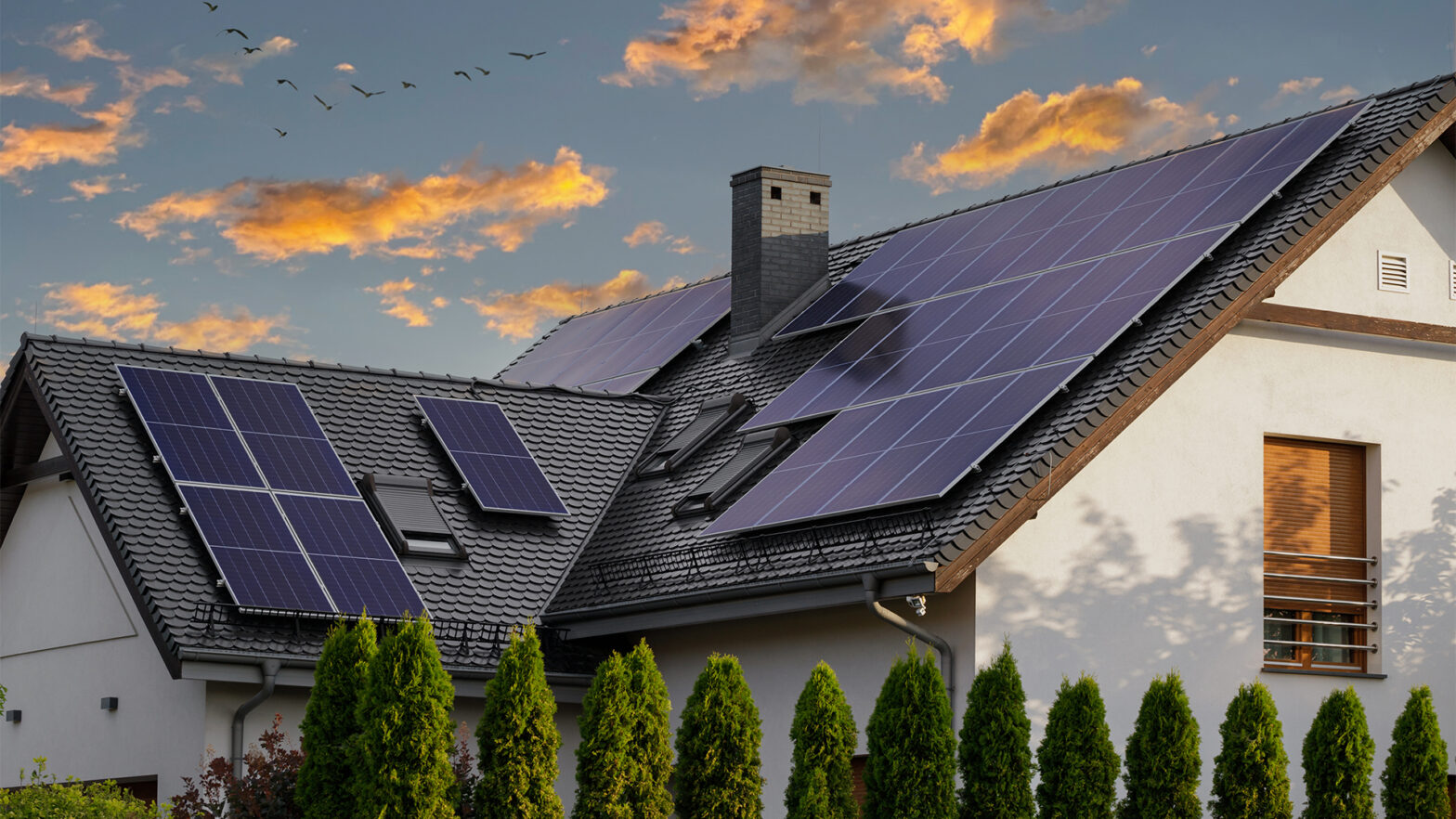
Ice dams are a separate concern. They can develop when heat escaping from a building melts roof snow that refreezes near colder eaves. The resulting ice may trap water against the roofing system. Improving attic air sealing, insulation and ventilation can help address underlying conditions; merely replacing visible damaged shingles may not prevent recurrence.
Low-slope and flat roofs
Commercial roofs use membranes and products with their own temperature and moisture requirements. Owners planning commercial roofing chicago projects should discuss adhesive, primer and seam-installation limits with the contractor. Late spring through early autumn may provide more workable conditions, although urgent repairs cannot always wait.
Flat roofs benefit from inspection before winter. Clear drains and evaluate rooftop penetrations, flashing and ponding areas. For occupied commercial buildings, plan how rooftop work may affect tenants through noise, access limitations or construction odors.
Interior Projects That Fit the Cold Months
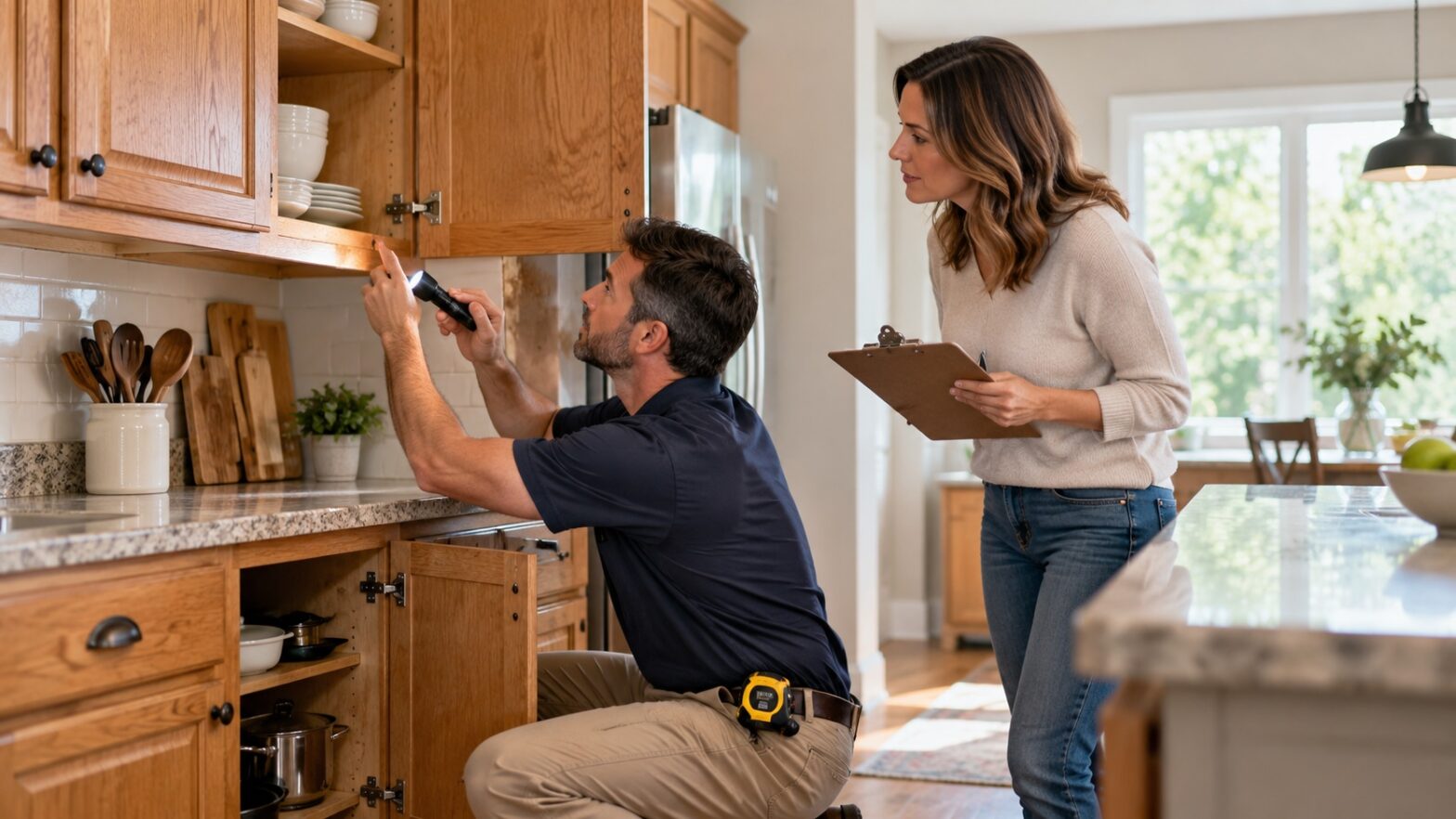
Bathrooms and kitchens can often be renovated in winter because most tasks take place indoors. Planning remains necessary: custom vanities, tile, shower glass and plumbing fixtures may require weeks of ordering. Decisions made in autumn can allow installation to begin during the quieter winter months without waiting for materials.
Indoor products also have curing limits. Mortars, waterproofing membranes, paint and grout need suitable temperatures and ventilation, especially in drafty rooms or spaces above unheated garages. Confirm how contractors intend to maintain appropriate conditions during and after application.
Ventilation and cold-weather details
Bathrooms are vulnerable to condensation when humid air meets cold surfaces. A renovation creates an opportunity to consider properly ducted exhaust ventilation, insulation and moisture-resistant finishes. Supply pipes on poorly insulated external walls can also be vulnerable to freezing; review their location before closing walls. These details affect performance long after the renovation is finished.
Coordinating Multiple Projects Across a Year
Owners planning several improvements should consider dependencies between trades. Roofing and roof-to-wall flashing may need attention before new siding, while work affecting windows and external openings is often best completed before interior finishing. This reduces the risk of damaging newly completed surfaces.
Request exterior estimates before the busiest season, particularly if permits or made-to-order materials are involved. A realistic yearly schedule might reserve mild months for roofing and cladding, then use winter for interior remodeling. Budgeting in phases also gives owners time to review completed work before starting the next project.
Letting the Thermometer Set the Order
Urgent leaks or structural concerns should still be assessed promptly, even in poor weather. A temporary protective measure may be appropriate until permanent work can be carried out within product requirements. Property owners should distinguish immediate stabilization from a finished repair and agree on how the second phase will be scheduled.
A renovation calendar is not merely a scheduling convenience. Products must be installed within their practical limits, and work completed in unsuitable conditions can fail early. Grouping exterior projects into favorable seasons and preparing interior work for colder months gives contractors better conditions and owners clearer expectations. The strongest plan matches material requirements, weather and project dependencies rather than treating every month as interchangeable.