




















As a landlord, a random loose shingle or blocked gutter might not worry you much on a sunny afternoon. However, when heavy rain and strong winds arrive, that small defect can lead to exterior damage such as roof leaks, damaged walls, and lots of costly repairs. As a result, the best thing for you to do is inspect your rental property in advance to find any vulnerable areas and fix them before any severe weather turns them into urgent repairs. In addition, understanding the different types of rental property inspections makes it easier to choose the right one before storm season.
Pre-storm Exterior Checklist: Roof, Siding, and Drainage
Roof Checks
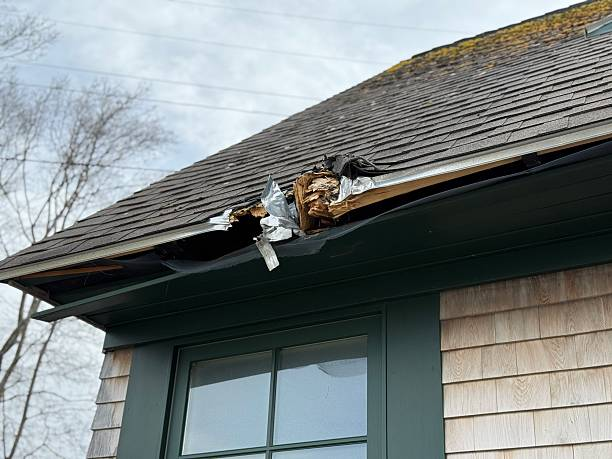
Before a storm hits, there are some key things you should check out to make sure your property isn’t already damaged, and one of them is your roof. Start by looking for any missing, cracked, or curled shingles and damaged flashing around your roof’s openings. Basically, these defects let water in and can make your roof much more vulnerable to strong winds during severe weather
However, for safety reasons, it’s best to avoid climbing onto the roof yourself, especially if conditions are wet or unstable. Instead, you should book a professional inspection the moment you notice anything serious, because they’ll be able to point out any weaknesses you’d have missed and recommend the right repairs safely.
Cracks and Loose Exterior Siding
Apart from this, you should take a walk around your property and check for things like cracked siding, peeling paint, loose panels, as well as gaps around windows. For example, if your caulking is damaged, rainwater can seep behind exterior surfaces and cause further deterioration.
Peeling paint is also another sign that there’s moisture exposure, particularly around vulnerable joints and wooden trim. In addition, you should secure any loose outdoor objects that can strike your walls during strong winds, and arrange repairs for defects that expose your property to moisture.
Clear Gutters and Inspect Drainage Areas
Another thing on your checklist is your gutters and drainage. For starters, clear out the debris from your gutters and make sure your downspouts direct water away from the foundation. Also, if your gutters start to sag or pull away from the roofline, it’s crucial you get them secured before the next storm. That’s why a Leesburg property management company recommends a pre-storm walkthrough to catch loose shingles or clogged drainage before severe weather hits.
Spotting Damage That Worsens Quickly in Severe Weather
Warning Signs Around Windows and Doors
A tiny gap around your window might seem pretty harmless, until a heavy storm lets rainwater leak into your property. Thus, pay close attention to any warning signs around your windows and doors. For instance, cracked glass, loose frames, worn weatherstripping, and any gaps around exterior seals are worth paying attention to.
Apart from this, don’t overlook your older windows and doors that no longer close tightly, because strong winds and driving rain can expose these weaknesses pretty fast. While you’re at it, look for any water stains or rotting wood around your window and door frames, because these warning signs might be pointers to moisture damage that another round of heavy rain may make worse. With this in mind, you shouldn’t just cover gaps, but find out what is causing the damage and fix it instead.
Inspect trees, fences, and other exterior structures
Another thing to take note of is overhanging branches, loose fence panels, and unstable sheds, which can become hazards for your home when strong winds arrive. For this reason, you should arrange professional assessment of any potentially dangerous trees and secure loose structures before severe weather. Don’t assume a damaged fence or unstable branch will withstand another storm.
Documenting Condition for Insurance Before a Storm Hits
Photos and Keep Inspection Records
It’s really important that you take photos of your property before a storm hits. For instance, you’ll need to document your roof, exterior walls, windows, gutters, and any other vulnerable areas of your rental. Additionally, if you find any damaged areas, take close-up images and wider shots showing the exact location, because clear photographs will help you separate the existing defects from things that got damaged after the storm. Not only that, but also try to record the inspection dates and take notes of any repairs necessary.
Communicate With Your Insurer
Furthermore, check in with your insurer before a storm hits, so you can understand exactly what your policy covers and what you’re expected to do to protect your property. Also, you should keep all photographs of any existing damage, contractors’ assessments, repair invoices, and maintenance records as evidence of your property’s condition and the steps you’ve taken to maintain it. If there are still outstanding repairs, note them down, as well as your efforts to resolve them, before the storm arrives.
Conclusion
In summary, you don’t need to wait until there’s a crazy storm before you know all your property’s weak points. Once you inspect things like your roof, siding, drainage, windows, and surrounding structures regularly, you’ll be able to spot and address any problems before they become expensive repairs. Meanwhile, don’t forget to take dated photographs and keep all your maintenance records, because they’ll help you track your property’s condition and prepare for potential insurance claims. The moment you make these checks part of your routine, especially before severe weather, you’ll be in a much better position to protect your property and your tenants too.