










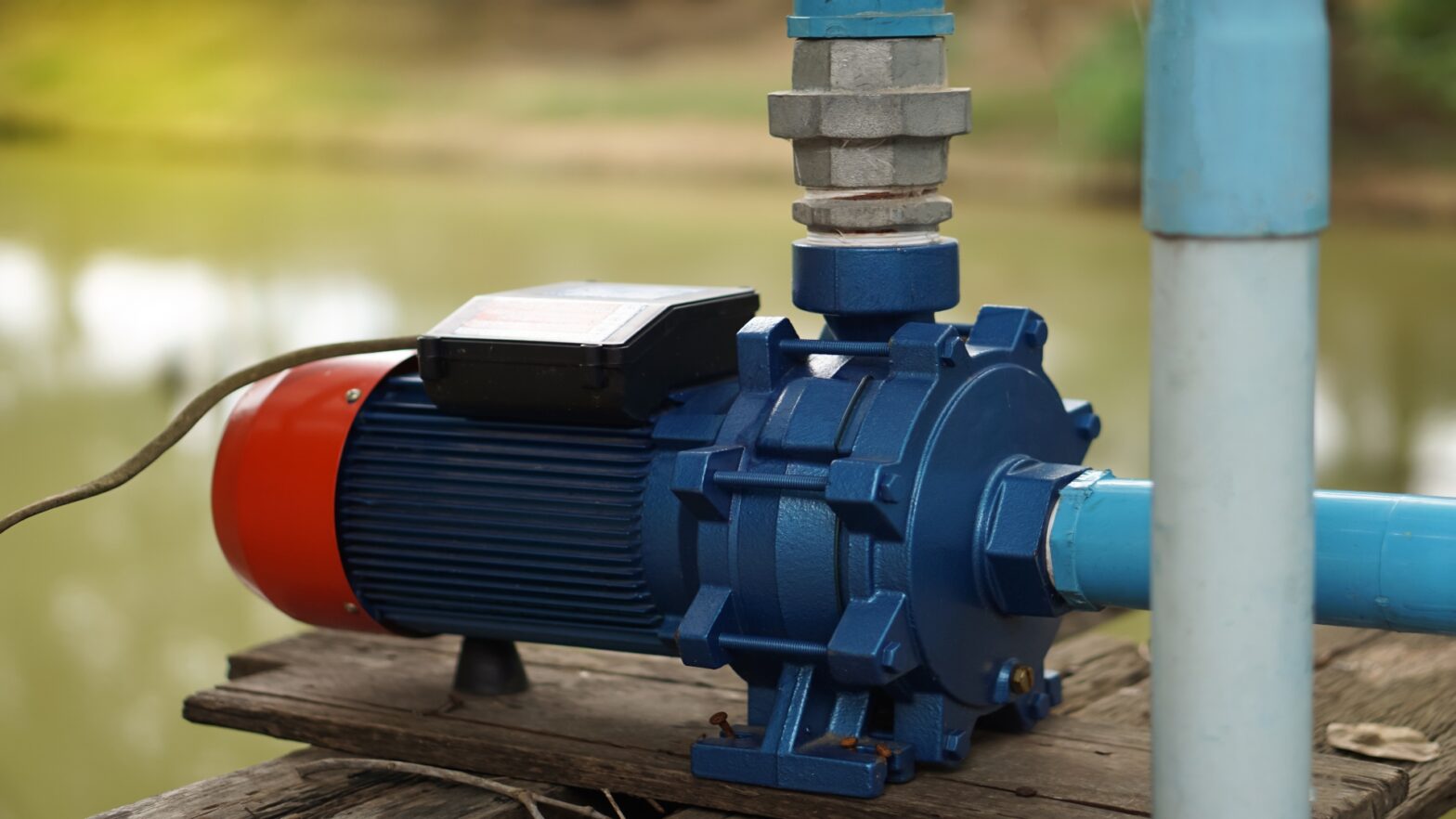











Low water pressure is a common issue in both residential and light commercial systems. Symptoms such as weak showers, slow-filling baths, or inconsistent flow across multiple outlets can significantly reduce comfort and usability. In most cases, these problems can be effectively solved with a correctly selected water booster pump.
Why is Your Water Pressure Low?
Before choosing a pump, it is important to identify the possible cause of low pressure. Common factors include:
- Distance from the main supply — properties located further away often experience reduced pressure
- Peak usage periods — simultaneous water use across multiple outlets lowers available flow
- Pipework limitations — narrow, old, or partially blocked pipes restrict water flow
- Gravity-fed systems — typical in older properties where pressure depends on tank height
- Multi-storey buildings — upper floors naturally receive lower pressure levels
Understanding the system setup helps ensure the correct pump specification is selected.
Key Factors When Selecting a Water Booster Pump
Choosing the right pump should be based on technical requirements rather than price alone.
Required Pressure (Head)
The required pressure depends on usage:
- 2–3 bar is generally suitable for most domestic applications
- Larger properties or multi-bathroom systems may require higher pressure levels
Flow Rate
Flow rate should match simultaneous water demand:
- Single bathroom systems require lower flow capacity
- Multi-outlet or multi-bathroom systems require higher flow performance
System Type
Different systems require different pump solutions:
- Gravity-fed systems — common in many older properties
- Mains-fed systems — require compatible booster configurations
Material Selection
Material choice affects durability and application:
- Stainless steel — suitable for potable water systems and corrosion resistance
- Bronze — commonly used in domestic hot water circulation and boosting applications
Noise and Efficiency
Modern booster pumps are typically designed to:
- Operate quietly
- Maintain energy efficiency
- Include automatic control systems for ease of use
Choosing a Suitable Manufacturer
Beyond technical specifications, build quality and system reliability also depend on the manufacturer. Well-designed pumps are typically engineered for stable performance under varying operating conditions, with attention to durability, efficiency, and ease of installation.
When comparing options, it is useful to consider product range, materials used, and suitability for different system types rather than focusing only on brand positioning.
Final Thoughts
Selecting a water booster pump is not only about solving low pressure issues but also about improving overall system performance and user comfort. Proper assessment of system type, pressure requirements, and flow demand is essential for a reliable long-term solution.
Among the most suitable solutions, water booster pumps from BritTherm are widely used for gravity-fed (tank-fed) systems, helping to improve water pressure where mains pressure alone is insufficient. These systems are designed for efficient operation, combining energy-efficient performance, durable materials such as stainless steel or bronze, and consistent reliability under varying operating conditions.