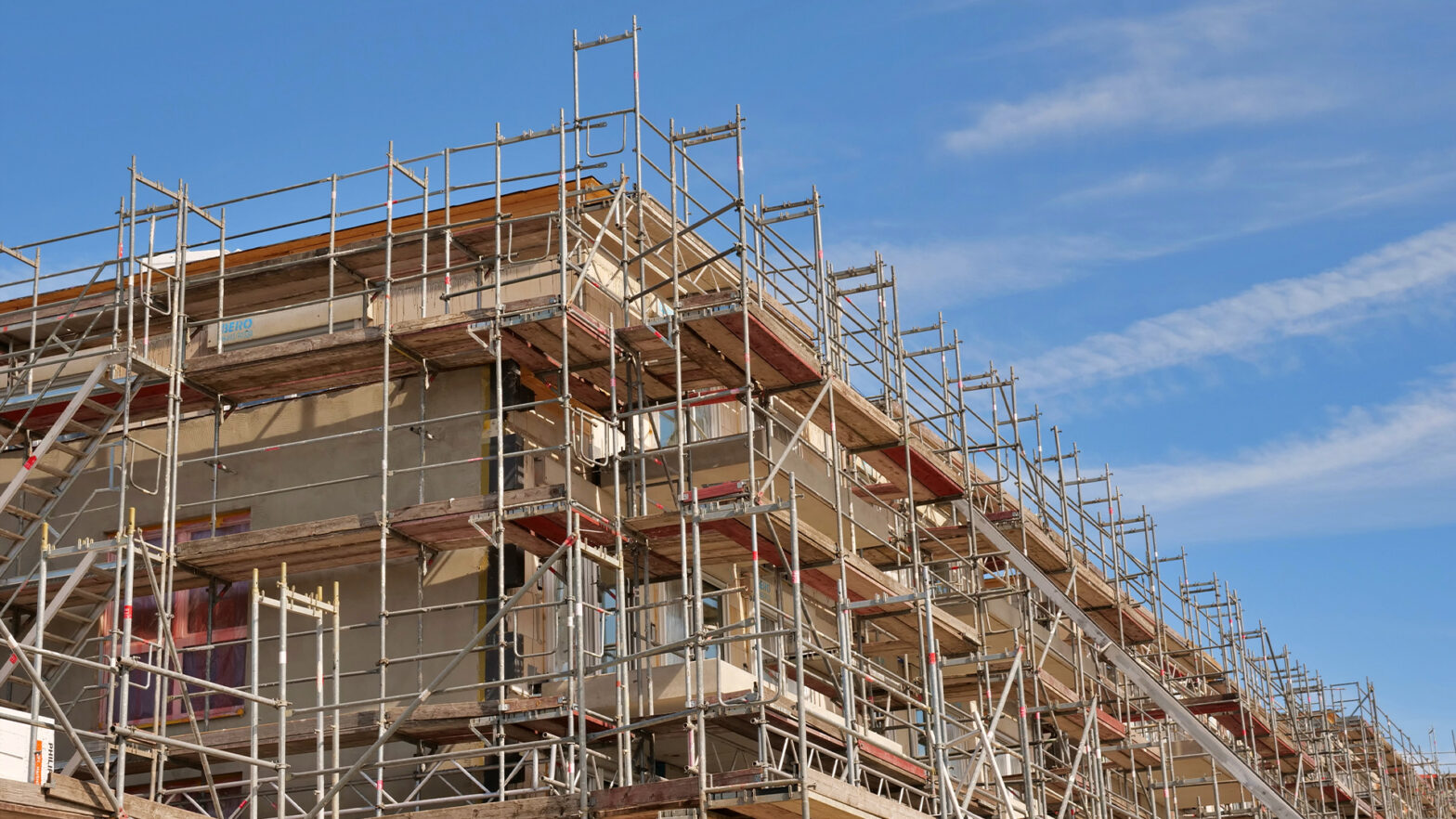










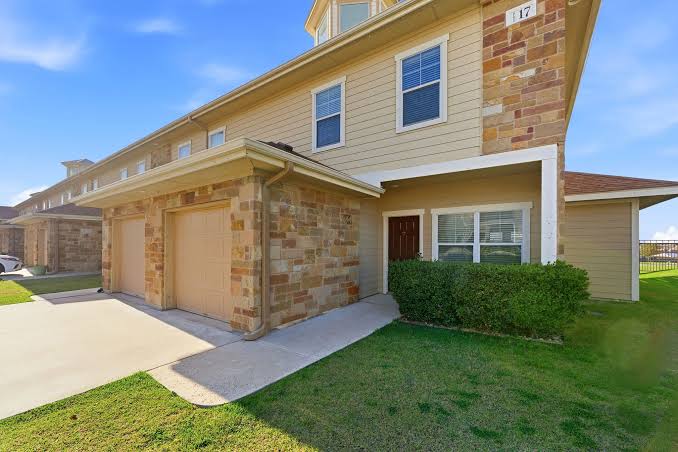











Pricing a rental property can be based on multiple factors including location, finishes, amenities and what local experts such as estate agents value the property.
Setting the right rental price is one of the most important decisions a landlord can make. If the rent is too high, potential tenants may look elsewhere. If it is too low, you could be losing valuable income every month.
Finding the right figure requires research, local knowledge and an understanding of what tenants are looking for. By considering several key factors, landlords can price their properties competitively while still achieving strong returns.
Research Similar Properties
The first step when pricing a rental property is to look at what similar homes are renting for in the local area.
Compare properties with a similar number of bedrooms, floor space, condition and location. A newly renovated three-bedroom house will likely command a higher rent than an older property nearby, even if they are on the same street.
Property websites can provide a useful guide to current asking rents, while local letting agents can offer insight into what properties are actually achieving.
According to the UK Office for National Statistics, average private rental prices in the UK increased by 7.0% in the 12 months to March 2025. This shows how quickly rental markets can change and why landlords should regularly review local rental values.
The Importance of Location
Location remains one of the biggest factors influencing rental prices.
Properties close to transport links, schools, shops and major employers often attract stronger demand. Tenants are usually willing to pay more for convenience, particularly if it reduces commuting times or improves access to local services.
Areas experiencing regeneration or investment can also see rental values rise over time. New infrastructure projects, business parks and transport improvements can make a location more attractive to both tenants and investors.
Even within the same town or city, rental prices can vary significantly depending on the neighbourhood.
How Finishes Impact Rental Property
Quality finishes of a property, including how recently they were renovated, can also create perceived and added value, and therefore impact rental property prices.
Tim Vatazani of VZ Builders explains that: “Upgrades such as joinery, cabinets, new kitchens and even boilers all add value in lots of little ways that mean you can charge a premium. Naturally, someone is going to be more willing to rent a place that looks better and is willing to pay a better price.”
Amenities Can Increase Value of Rentals
The features and amenities within a property can have a major impact on the rent you can charge.
Modern kitchens and bathrooms, off-road parking, private gardens and energy-efficient systems are all attractive selling points. Properties that are ready to move into often generate greater interest than those requiring work.
For some developments, such as Sonterra Apartments, that include gyms and a swimming pool, this can command a higher monthly rent. Added amenities and their running costs are factored into the price.
Energy efficiency is becoming increasingly important. With rising utility costs, many tenants now actively look for homes that are cheaper to run.
A property that offers additional benefits compared to nearby competitors may justify a higher rental price and attract tenants more quickly.
Seek Advice From Property Experts
While online research is useful, professional advice can provide a more accurate picture of the local market.
Surveyors, estate agents and property managers deal with rental properties every day. They understand local demand, tenant expectations and current market conditions.
A local expert may also be aware of trends that are not yet visible online. For example, they may know about new employers moving into the area or changes in tenant demand that could influence rental values.
According to Propertymark, the average number of prospective tenants registered per member branch was over 90 in several recent market reports, highlighting the continued demand for rental accommodation across many parts of the UK.
Starting High: The Negotiation Strategy
Some landlords deliberately advertise their property at a slightly higher rent than they expect to achieve.
This approach leaves room for negotiation and can sometimes result in a better final rental figure. In areas where demand is particularly strong, tenants may be willing to pay close to the asking price.
However, there are risks. If the rent is set too high compared to similar properties, potential tenants may not even arrange a viewing.
An empty property generates no rental income, so overpricing can become costly if it leads to extended vacancy periods.
Starting Lower: Securing a Tenant Quickly
Other landlords take the opposite approach and price their property slightly below competing listings.
A competitive price can generate more enquiries, increase viewing numbers and help secure a tenant faster. This can be especially useful in markets where there is a large supply of available properties.
A shorter vacancy period often means more consistent income over the course of a year.
The challenge is ensuring that the rent still reflects the property’s true value. Pricing too low may attract tenants quickly, but it could reduce your overall return on investment.
Finding the Right Balance
Successful landlords understand that pricing is about finding the right balance between maximising income and attracting reliable tenants.
Research local rental prices, assess the area’s strengths, consider the property’s amenities and seek guidance from experienced professionals. These factors will help you determine a realistic and competitive rental figure.
The rental market is constantly changing, and landlords who stay informed are often best placed to achieve strong results. By setting the right price from the start, you can reduce vacancy periods, attract quality tenants and maximise the long-term performance of your investment property.