












Planning a major home project can feel exciting at first. Maybe you want more space for your family, a new kitchen, a guest casita, an ADU, or a garage conversion. The idea may sound simple, but the process can get confusing fast.
There are plans to review, budgets to set, permits to handle, materials to choose, workers to schedule, and inspections to pass. On top of that, surprises can come up once the work begins.
For many homeowners, the hardest part is not choosing tile, cabinets, or paint colors. The hard part is knowing who is in charge of each step.
That is why many homeowners like the design build approach. It gives them one team to help guide the project from the first idea to the final walkthrough.
What Design Build Means
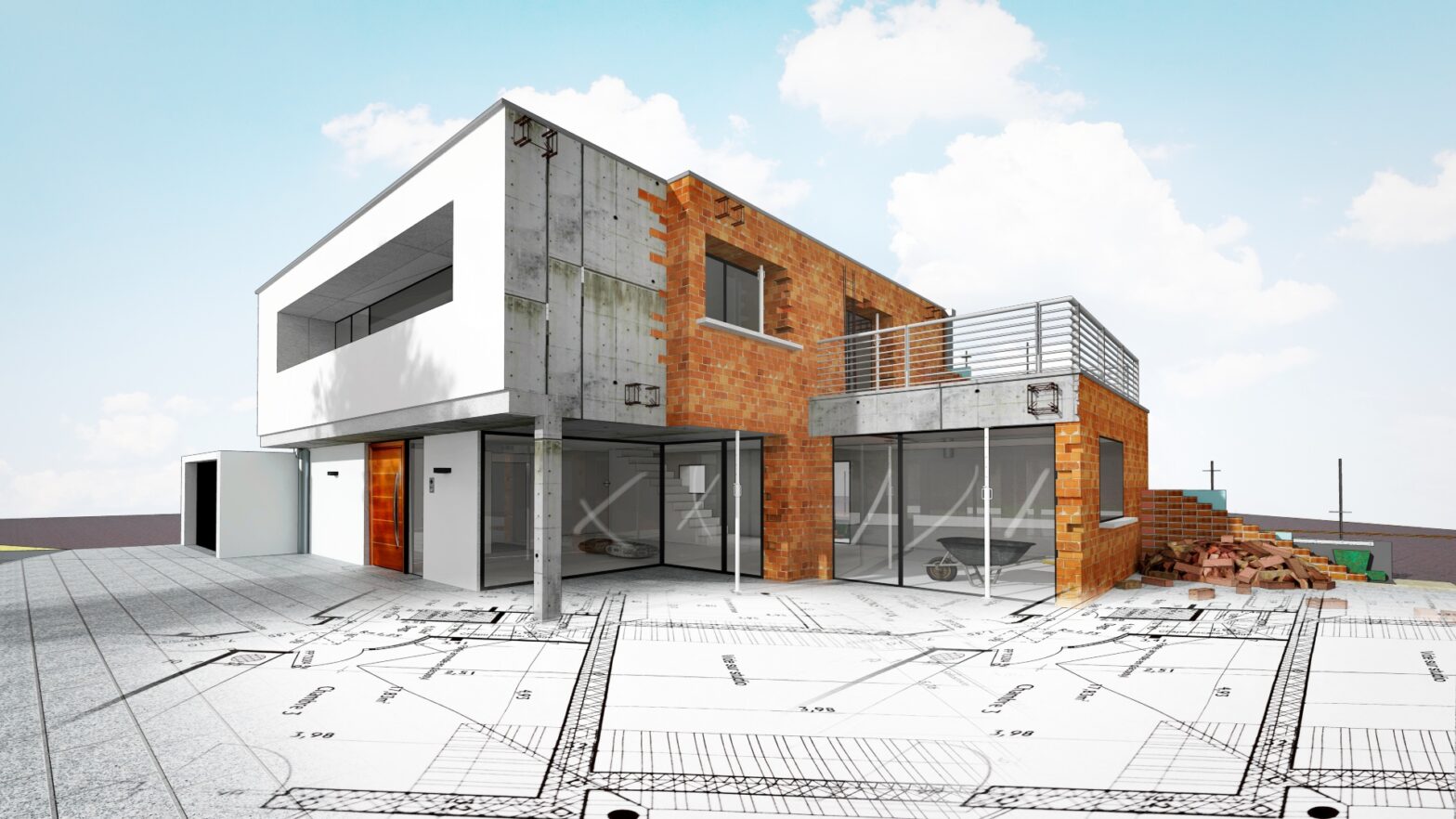
Design build means the design and construction work are handled by one team, or by one group working closely together.
In a more traditional setup, a homeowner may hire a designer first. Then, after the plans are done, they look for a contractor to build the project. That can work, but it can also create problems.
Sometimes a plan looks great on paper, but when a contractor prices it out, the cost is much higher than expected. Other times, the design may need changes because of the home’s structure, plumbing, electrical work, or permit rules.
With design build, the construction side is involved earlier. That means the team can talk about cost, layout, permits, and buildability before the plan goes too far.
This can help homeowners make better choices from the start.
Why One Team Can Make the Process Easier
Most people do not remodel or build additions often. A major project may happen only once or twice in a homeowner’s life. So it helps to have a team that explains the process in a clear way.
When too many separate people are involved, things can get messy. A designer may say one thing. A contractor may say another. The homeowner may feel stuck in the middle.
Design build can make this easier because there is one main team helping move the project forward. The homeowner still has a say in the design, finishes, budget, and decisions. The difference is that they are not left trying to connect every piece alone.
This can be helpful for projects like home additions, ADUs, casitas, garage conversions, kitchen remodels, and bathroom remodels. These jobs have many moving parts. A small design choice can affect the budget. A layout change can affect plumbing or electrical work. A permit issue can affect the schedule.
When the team is working together early, these things can be talked through before they become bigger problems.
Early Planning Can Help Reduce Budget Surprises
One of the biggest stress points in construction is cost. A homeowner may start with a dream layout, then later find out it costs much more than they expected.
Design build does not remove every risk, but it can help homeowners understand the money side sooner.
For example, if you want to convert a garage into living space, the team may need to look at insulation, flooring, heating and cooling, windows, electrical work, and the existing structure.
If you want to build an ADU or casita, the team may need to look at setbacks, access, utilities, drainage, privacy, and local permit rules.
These details can change the budget. They can also change how long the project takes.
When the contractor is involved during planning, the homeowner can get real feedback before spending too much time on a plan that may need major changes later.
Fewer Handoffs Can Help Keep the Project Moving
Every construction project can face delays. Weather, material delays, inspections, hidden damage, and change orders can all affect the schedule.
But some delays happen because people are not on the same page.
In a traditional process, the contractor may receive plans and then find missing details. They may need to go back to the designer. The designer may need to make changes. The homeowner may need to approve the changes. Then the city may ask for updates.
Each step can add more time.
In a design build process, many of these talks happen earlier. The construction team can review the plan while it is still being made. They can look for issues before work starts.
This does not mean the project will be perfect. But it can help the process feel smoother and more organised.
For homeowners, that matters. They are not only paying for a finished space. They are also living through the process. Clear steps and steady updates can make a big difference.
Permits Should Be Part of the Plan Early
Many homeowners think permits only matter for large projects. But permits can be needed for many types of work, especially when the project includes structural changes, plumbing, electrical work, additions, ADUs, garage conversions, or major remodels.
This is why permit planning should happen early.
A project should not only be based on what looks good. It also needs to work with local rules, building codes, safety needs, and city review.
For example, a garage conversion may sound simple. But turning a garage into living space can involve insulation, safe electrical work, heating and cooling, windows, fire safety, and proper access.
A home addition may need foundation work, roof changes, framing, engineering, and utility planning.
A design build team can help spot these items before construction starts. That can lower the chance of having to stop work later or redo part of the plan.
Design Build Does Not Mean the Homeowner Loses Control
Some homeowners worry that working with one team means they will have less control. That should not be the case.
A good design build process still gives the homeowner a voice. The homeowner should be part of the design talks. They should understand the budget. They should review key choices. They should know what is included in the project.
The value of design build is not that the homeowner steps away. The value is that the homeowner has a clearer process and a team that is working from the same plan.
Good communication still matters. The contractor should be clear about cost, scope, timing, and changes. The homeowner should also be open about their budget, goals, needs, and concerns.
When both sides are clear, the project has a much better chance of staying on track.
Projects That Often Fit the Design Build Approach
Design build can work well for many home projects, especially when the job is more than a simple surface update.
Home additions are a strong fit because they often involve structure, roofing, foundation work, utilities, permits, and careful planning. The new space also needs to feel natural with the rest of the home.
ADUs and casitas are also good examples. These spaces need smart layouts, but they also need to work with access, privacy, plumbing, electrical work, and local rules.
Garage conversions can also benefit from design build. A good garage conversion should not feel like a garage with furniture in it. It should feel like a real part of the home. That takes planning around floors, walls, windows, lighting, comfort, and storage.
Kitchen and bathroom remodels can also fit this approach, especially when walls are moving or the layout is changing. These rooms involve many trades, so planning matters.
For homeowners planning a larger project in Arizona, working with a design build contractor such as Infinity General Contractors can help connect early ideas with the real details of permits, budgets, timelines, and construction.
The Real Value Is Clarity
Design build is not just about speed. It is about making the project easier to understand.
A major home project affects daily life. It can change how a family uses the home, how guests are hosted, how aging parents are cared for, or how much space the home has for the future.
These projects deserve a clear process.
Homeowners need to know what is possible, what may affect the budget, how long the work may take, and what steps need to happen before construction begins.
That is the real value of design build. It gives homeowners one path from planning to completion. There are fewer handoffs, clearer roles, and a better chance that the final space works in real life, not just on paper.
For anyone thinking about an addition, ADU, garage conversion, casita, or major remodel, the first step is not picking finishes. The first step is choosing a process that makes the project easier to plan, easier to manage, and easier to finish with confidence.