











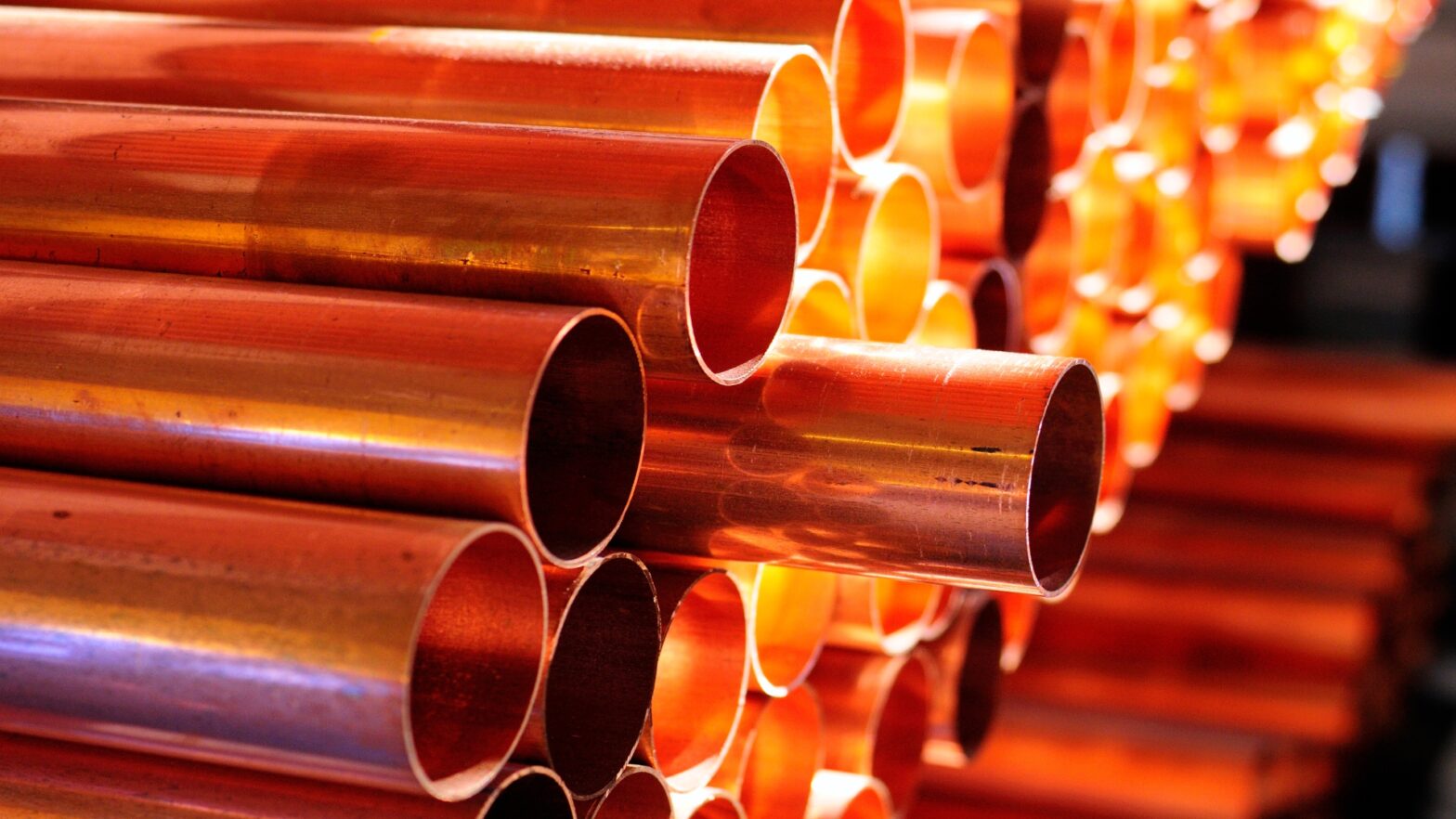











A cupronickel alloy occupies an important place among modern engineering materials. This is due to its unique composition and properties, including strength, durability, and resistance to aggressive environments. It is widely used in shipbuilding, power generation, and the chemical industry. In other words, it is used in sectors where the reliable operation of equipment under challenging conditions is of critical importance.
To learn in more detail what copper nickel is, as well as to familiarize yourself with the range of metal products and the features of Cu Ni alloys, contact a reliable copper-nickel alloy supplier. Here, you can select high-quality products for your technological project.
What Is Cupronickel?
Cupronickel, also known as an alloy of copper and nickel or CuNi alloys, is a group of alloys based on nickel and copper. Depending on the composition, iron and manganese may also be added to the material to improve its performance properties. The nickel content usually ranges from 10% to 30%, making it possible to obtain alloys with different characteristics.
Initially, such materials were used for the fabrication of coins. However, over time, the range of copper nickel alloy applications expanded significantly due to their high resistance to corrosion and mechanical loads.
Types of Copper Nickel Alloys
The following varieties are considered the most common:
- CuNi 90/10 – contains approximately 90% copper and 10% nickel.
- CuNi 70/30 – contains approximately 70% copper and 30% nickel.
- Special modifications with the addition of iron and manganese to improve resistance to seawater.
Each type is selected depending on the area uses of cupronickel, operating temperature, and strength requirements. Thanks to the variety of compositions available, engineers can choose the optimal material for a specific application.
Copper-Nickel Alloy Properties
The unique properties of cupronickel make these alloys highly demanded across various industries. Below are the main mechanical and physical characteristics of the alloy, as well as another important feature — its resistance to corrosion.
Physical Properties
The physical properties include:
- good thermal conductivity;
- high electrical conductivity;
- non-magnetic behavior of most grades;
- high electrical resistivity (compared to pure copper).
These features make it possible to use cupronickel not only in industry but also in a wide range of other sectors, such as coin manufacturing and electronics.
Mechanical Properties
Cu Ni alloys are characterized by high strength and stability of properties during the process of long-term service. Their distinctive features include:
- good ductility;
- wear resistance;
- the ability to withstand significant mechanical loads;
- retention of properties at elevated temperatures.
Due to these cupronickel properties, the material is suitable for the manufacture of pipelines, heat exchangers, and critical structural components.
Corrosion Resistance
One of the main advantages is its exceptional resistance to corrosion, especially in marine water. A protective film forms on the surface, preventing the degradation of the metal.
How Are Copper-Nickel Alloys Processed?
Traditional metallurgical methods are used to produce finished products. The alloys undergo:
- melting;
- casting;
- hot and cold forming;
- mechanical processing.
The material is easily welded and can be readily formed. This makes it possible to manufacture pipes, sheets, rods, and other forms of complex configuration. Modern technologies ensure high dimensional accuracy and consistent product quality.
Common Applications of Copper-Nickel Alloys
What is cupronickel used for? These materials have found applications in many industries:
- Shipbuilding and marine engineering: pipelines, condensers, engine cooling components, and more.
- Heat-exchange equipment: heat exchanger tubes, coolers, and condensers.
- Water desalination: desalination equipment, piping assemblies, and heat-exchange components.
- Chemical industry: tanks, valves, and process pipelines.
- Power generation: condensing units, cooling systems, and other components.
- Coin production and electrical engineering: coins, decorative products, and components with electrical contact.
Such a wide range of uses of cupro nickel is explained by its combination of durability, reliability, and resistance to aggressive environments.
Advantages and Disadvantages of CuNi Alloys
When selecting any material, it is important to consider both its advantages and limitations.
The advantages of Cu Ni alloys include:
- high corrosion resistance;
- long service life;
- good weldability;
- resistance to biological fouling in seawater;
- stable mechanical properties.
Their disadvantages include:
- higher cost compared to some other materials, such as steel;
- lower electrical conductivity compared to pure copper;
- the need for proper grade selection for specific application conditions.
Despite certain limitations, the cupronickel alloy remains one of the most reliable solutions for operation in aggressive environments. The combination of strength, durability, and corrosion resistance ensures stable equipment performance over many years.
“Source: aspersteel.com”